
Yen Phu uses performance and public satisfaction as benchmarks for evaluating officials
More than a year after implementing the two-tier local government model, Yen Phu Commune has achieved notable progress in administrative reform, digital transformation, and socio-economic development. A key factor behind these achievements is its innovative approach to public personnel management, which emphasizes clearly assigned responsibilities, measurable performance outcomes, and public satisfaction as the primary benchmark for evaluating officials.
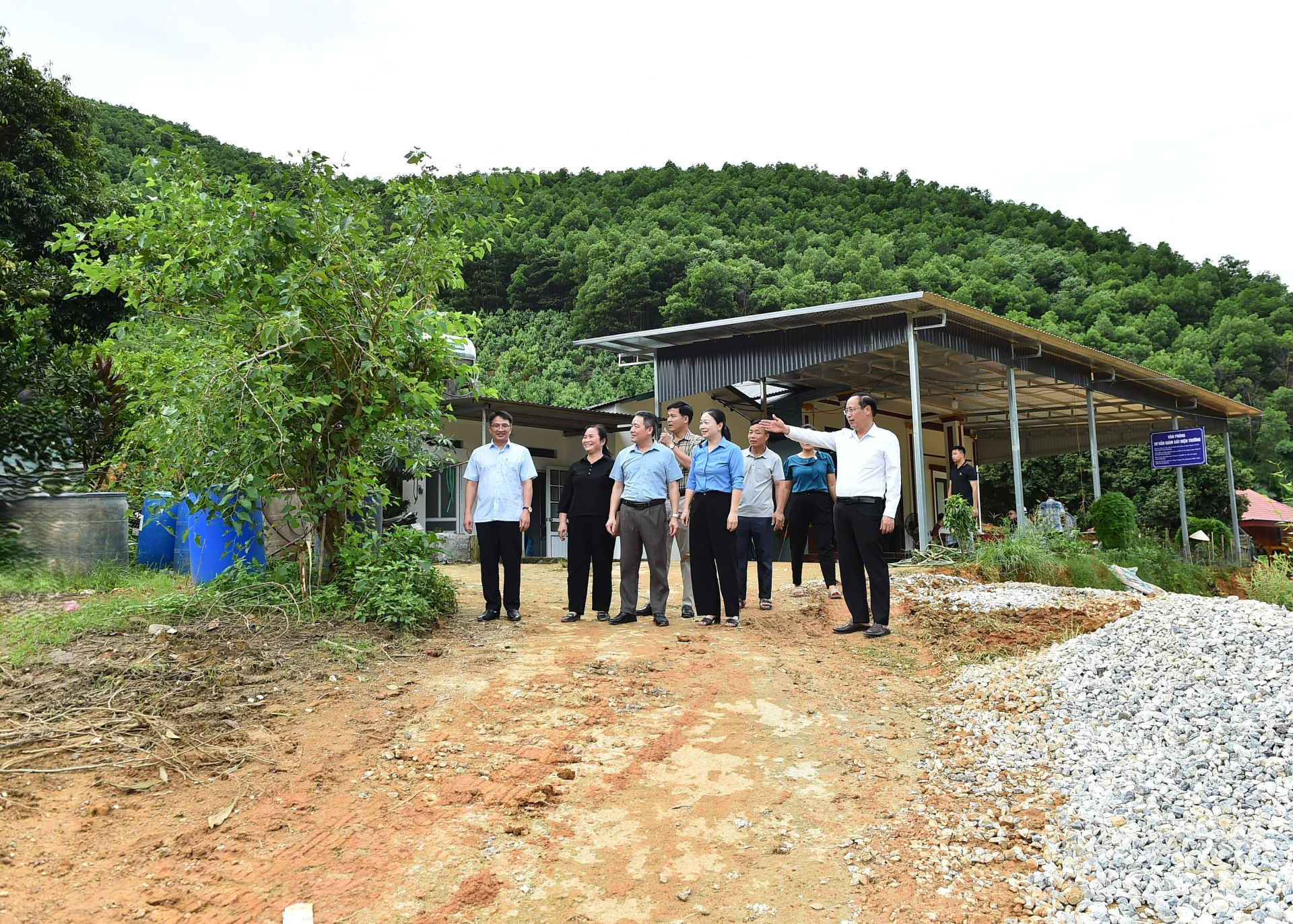 |
| Officials of Yen Phu Commune inspect the progress of infrastructure development projects across the locality. |
To meet the demands of the new governance model, as a significant number of responsibilities were transferred from the district to the commune level, local officials and civil servants have proactively upgraded their professional skills and adapted to new areas of expertise. The Commune Public Administration Service Center has accelerated digital transformation by processing and digitizing 100 percent of administrative applications, while the online payment rate has reached 98.67 percent. The public service satisfaction index has consistently remained above 95 percent. Since July 1, 2025, the center has received and processed 4,732 administrative applications.
According to Nguyen Van Uoc, Secretary of the Yen Phu Commune Party Committee, strengthening the accountability of public officials has been identified as a decisive factor in ensuring the effective operation of the local government. Tasks are assigned based on the principles of clear responsibilities, specific deadlines, defined accountability, and measurable outcomes. At the same time, the commune has strengthened supervision and inspection to promptly address difficulties and ensure timely implementation.
The commune has also introduced a performance-based evaluation system using Key Performance Indicators (KPIs) and an integrated performance management platform to quantify work results. The evaluation outcomes serve as an objective basis for personnel deployment, commendation, and disciplinary actions.
Yen Phu's experience demonstrates that shifting from process-oriented management to results-based governance has encouraged officials to work more proactively, improve service quality, and contribute to building a modern, efficient, and citizen-centered public administration.
Thanh Phuc


READER COMMENTS