
For safer journeys
The Government has issued Decree No. 319/2026/ND-CP, which will take effect on July 1, 2027, requiring the mandatory installation of journey monitoring devices and cameras to record drivers and passenger compartments on commercial transport vehicles, tractor-trailers, ambulances, rescue vehicles, and vehicles used for internal transport. The regulation aims to strengthen road safety, ensure transparency in transport operations, and protect passengers’ rights.
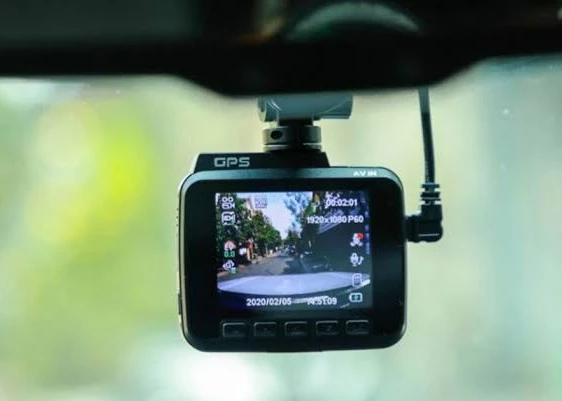 |
The regulation applies to automobiles used for commercial transport, tractor-trailers, ambulances, road traffic rescue vehicles, and vehicles used for internal transport. It does not apply to military and police vehicles performing national defense and security duties. These vehicles are required to be equipped with journey monitoring devices, or “black boxes,” to record speed, routes, the number of stops, and continuous driving time. Driver-facing cameras must continuously record images of drivers under all lighting conditions, while passenger-compartment cameras must continuously record activities inside the vehicle, including passengers boarding and alighting. Such data must be transmitted in real time to the service provider’s server and the Traffic Police Department’s server and stored for at least three years.
The regulation is expected to contribute to reducing traffic accidents by monitoring speed and continuous driving time, limiting driver fatigue, and preventing violations through camera surveillance. The cameras can also help control overloading and detect dangerous behavior inside vehicles. In particular, passengers’ rights will be better protected, as recorded footage can serve as evidence in the event of disputes or accidents. The use of these monitoring devices is also intended to curb fraudulent practices and improve the quality of transport services.
Even before the regulation was introduced, many transport businesses and drivers had proactively installed such equipment, viewing it as a tool to protect themselves. Decree No. 319 marks an important step toward modernizing transport and traffic management. However, its effectiveness will ultimately depend on compliance by drivers and transport operators, as well as close oversight by competent authorities. This is not merely a legal requirement, but also a social responsibility aimed at protecting human lives and building a safer traffic culture.
Duc Anh


READER COMMENTS