
Unlocking the potential of highland specialties
Ethnic minority and mountainous areas are home to a wide range of high-quality local products with distinctive characteristics and unique value, thanks to favorable natural conditions, indigenous raw materials and production knowledge passed down through generations.
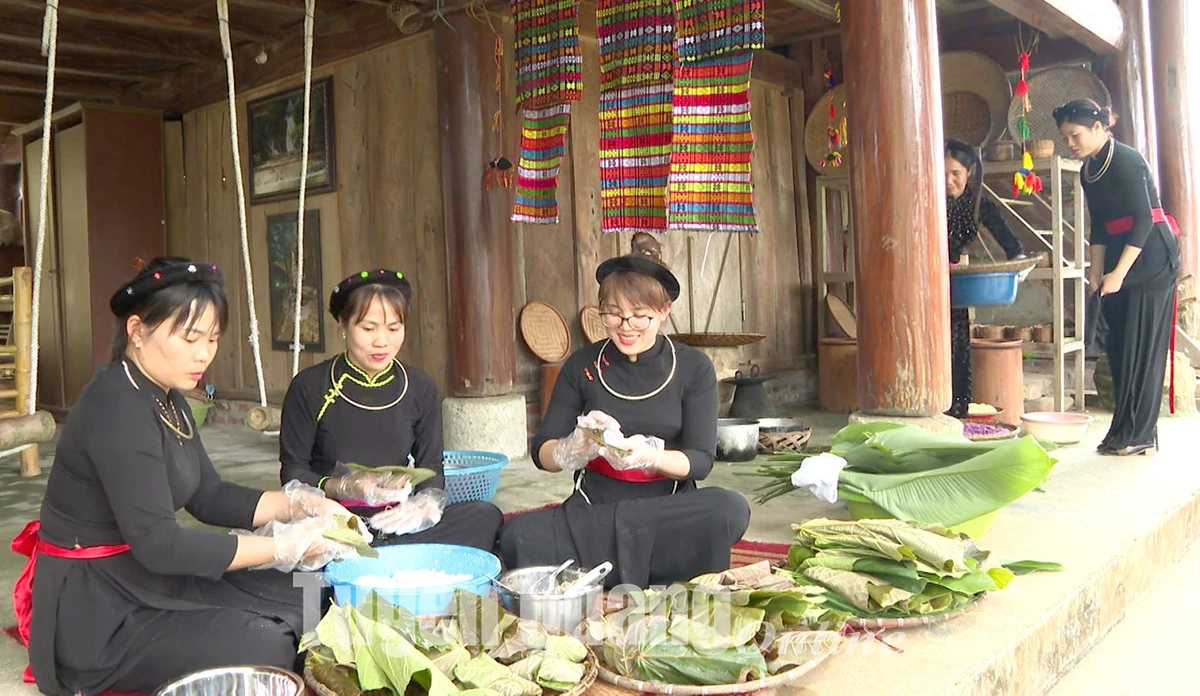 |
However, the development of these products still faces a number of constraints, including limited productivity and production scale, quality control, processing technology, preservation and market access. In this context, science and technology, innovation and digital transformation can help address bottlenecks throughout the value chain, from breeding and raw material areas to production organization, processing, preservation, traceability and distribution.
The biggest bottleneck at present is the lack of integrated technological systems suited to the scale and conditions of each area. In many places, production remains fragmented, while varieties and farming practices have yet to be standardized and the quality of raw materials remains inconsistent. Post-harvest losses are still high due to limited access to appropriate technologies for preliminary processing, drying, preservation and processing. Data on growing areas, product traceability, quality standards and market linkages also remain limited. As a result, many local specialties with high cultural value and good quality are still sold mainly as raw materials, with unstable output and limited potential for generating higher added value.
Meanwhile, selling products through e-commerce increasingly requires a professional approach. Success in e-commerce is not simply a matter of having a good product; sellers need to know how to make effective use of the wider ecosystem and operate it efficiently to bring their products to market.
Therefore, future solutions need to be implemented along the entire value chain. Each key product should be linked to a clearly defined raw material area, technical production process, production-organizing entity and market strategy. Local authorities should continue developing e-commerce ecosystems, providing training and improving digital skills among local people, preparing human resources and promoting cross-border online sales.
When bottlenecks in value chains, technology and digital skills are addressed in a coordinated manner, the economic potential of indigenous products can be fully unlocked, helping raise incomes and contributing to sustainable poverty reduction for people living in these areas.
Minh Tuyen


READER COMMENTS