10:33, 06/11/2026
For generations, the Nung people have used indigo plants to dye fabric, creating the distinctive indigo hue that characterizes their traditional costumes. Producing a rich, lasting colour requires numerous steps, from growing the plants and soaking them to extracting the dye, dyeing, drying and polishing the fabric. Each stage demands patience, meticulous care and skills passed down through generations.
In Nam Dan Commune, the traditional indigo dyeing craft remains an integral part of the Nung people's daily life. The dyeing vats and basins, along with fabrics bearing their distinctive indigo hue, not only serve clothing needs but also preserve the community's traditional cultural identity.
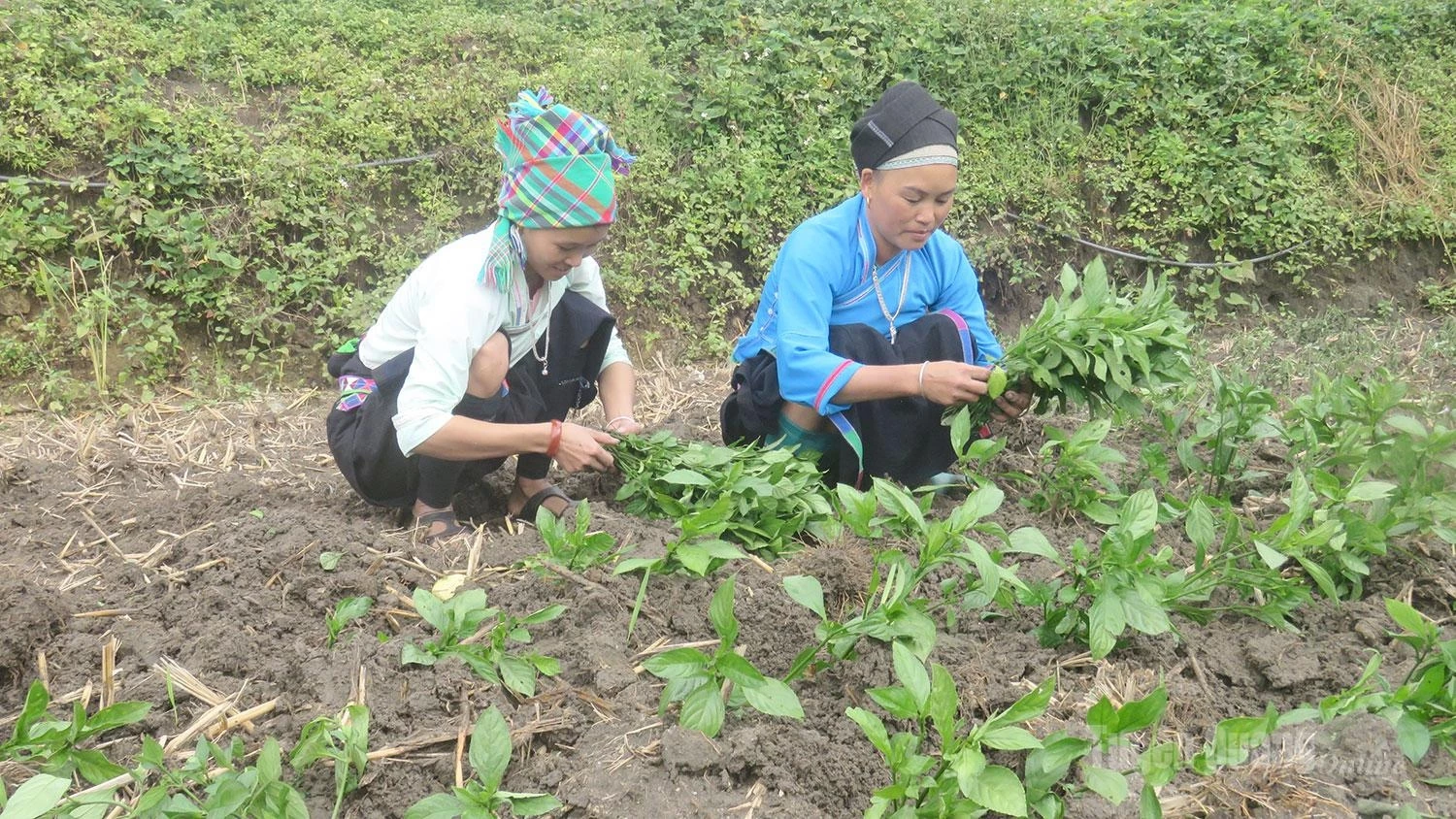 |
| In the fields of Ngam Lam Hamlet, Nam Dan Commune, local people grow indigo plants through successive crop seasons. Planted around the 10th and 11th months of the lunar calendar, the plants take root and grow before being harvested in the fourth lunar month of the following year, marking the beginning of the process of creating the traditional colour on Nung fabrics. |
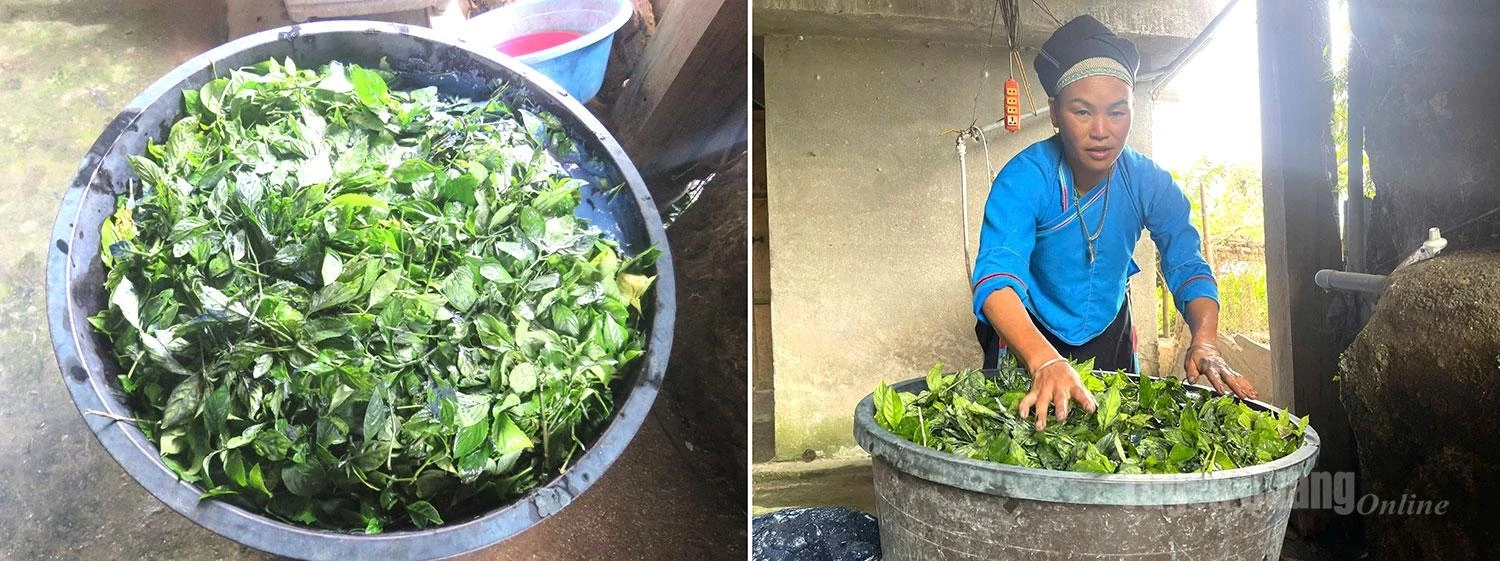 |
| After harvesting, the indigo plants are cut and soaked in water for two to three days to extract their natural pigments, providing the raw material for the fabric-dyeing process. |
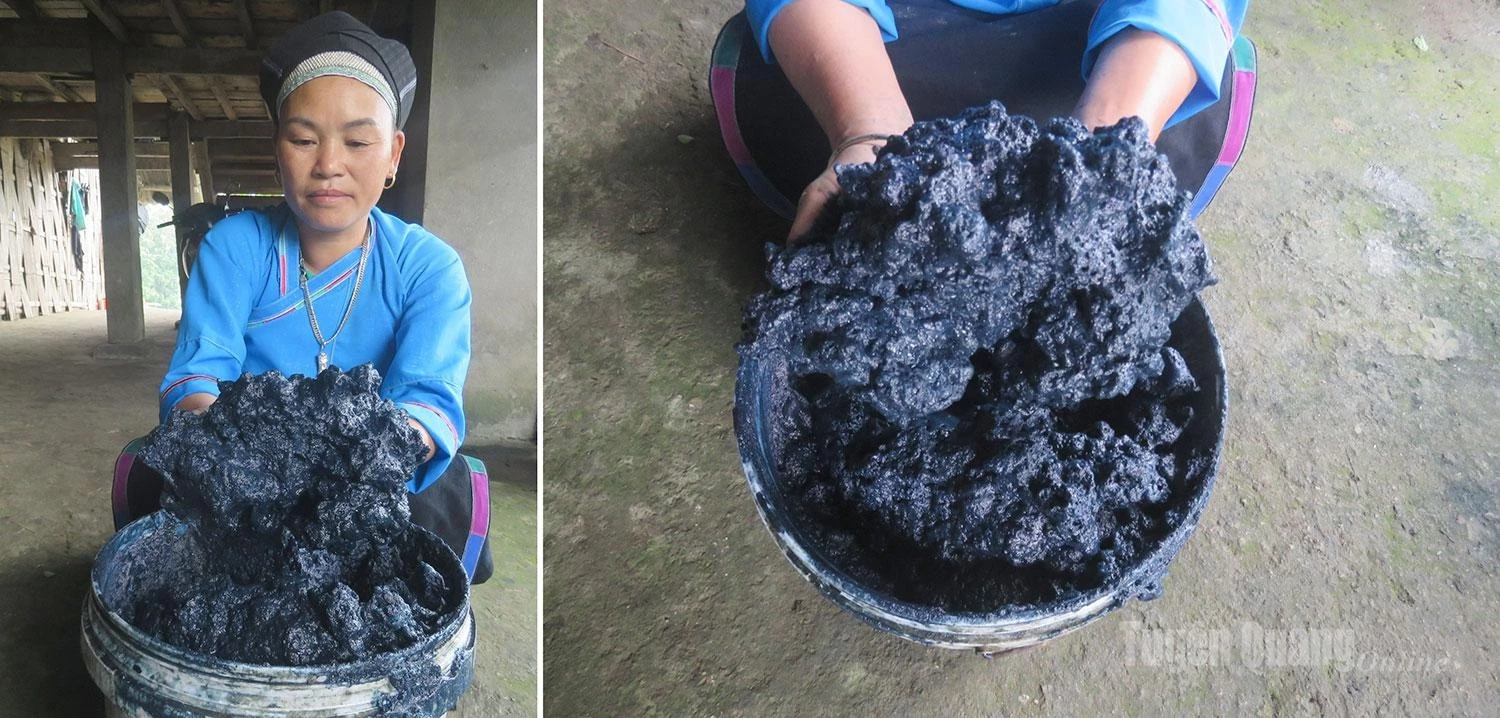 |
| Once the soaking period is over, the plant residue is removed. Lime is then added to the indigo-infused water in preparation for filtering and extracting the indigo dye. |
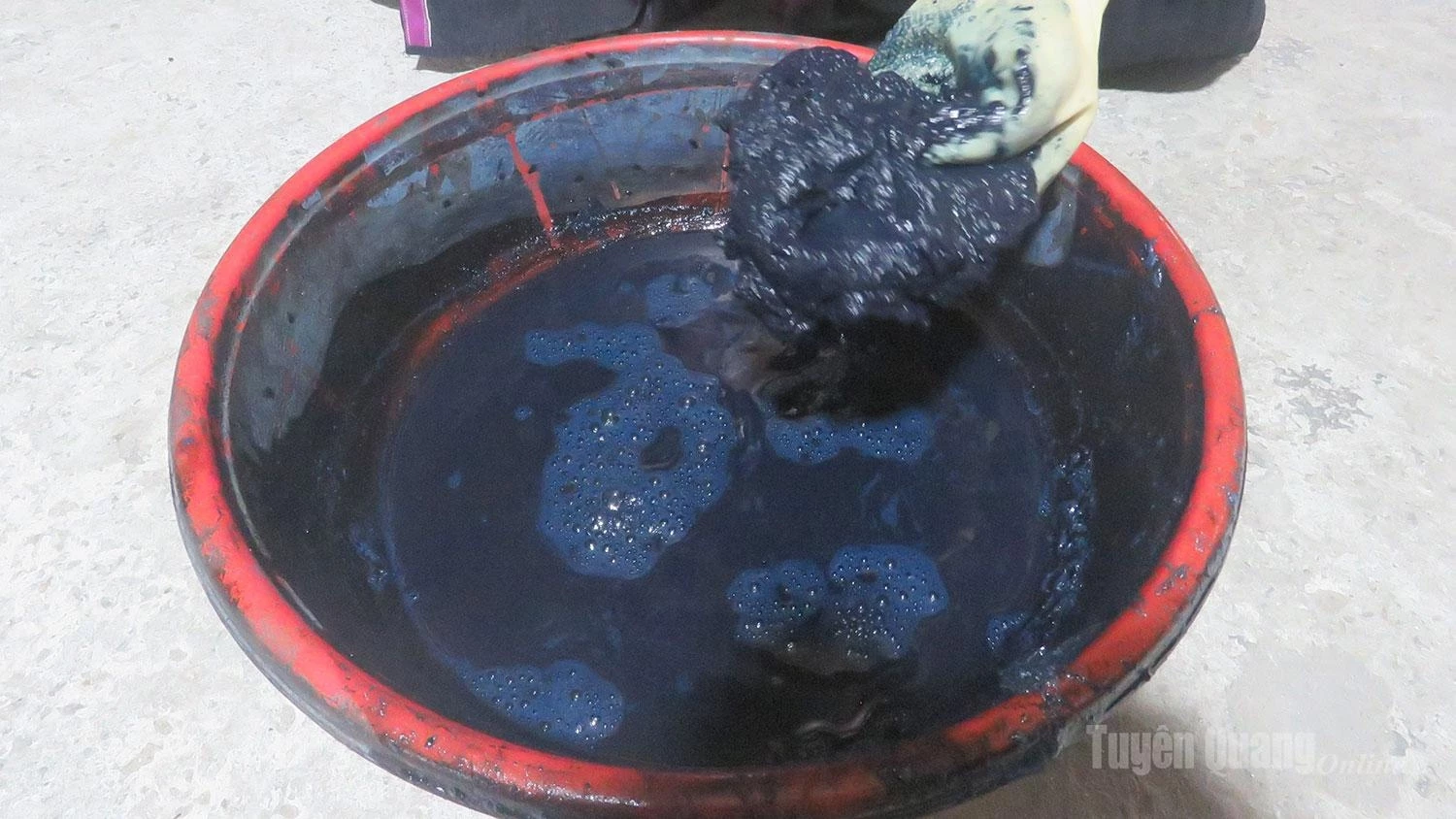 |
| After filtration, the indigo liquid yields a dark-coloured powder that is easy to preserve and store for long-term use. When needed for dyeing, the powder is mixed with water and stirred thoroughly to create an indigo dye solution. |
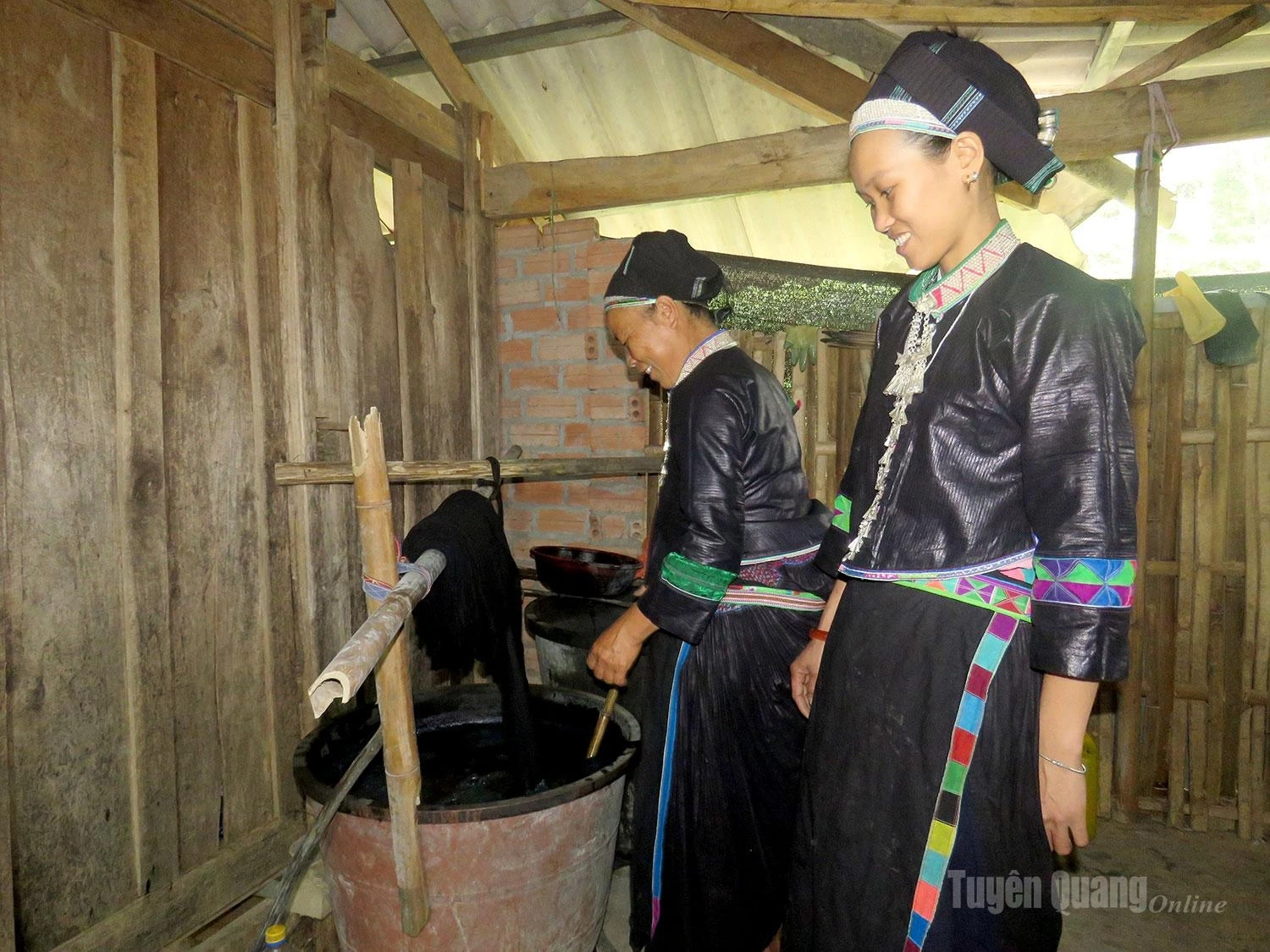 |
| In a small corner of her home in Ngam Lam Hamlet, Lu Thi Dum carefully guides her daughter-in-law, Vang Thi Yen, through the dyeing process. The fabric is fully immersed in a basin of indigo dye, allowing the solution to penetrate every fibre. |
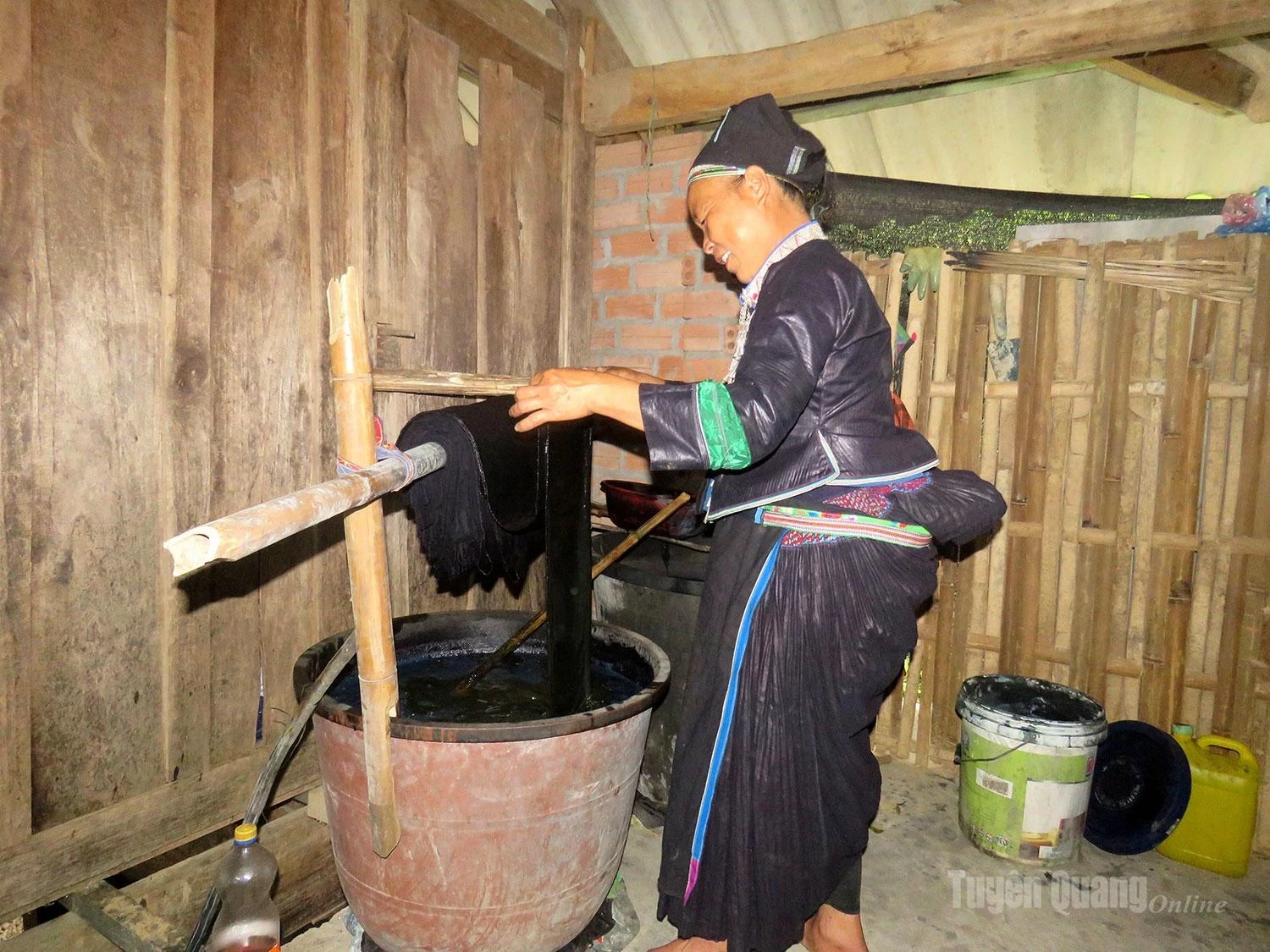 |
| Each movement of dipping, lifting and turning the fabric in the indigo vat is carried out carefully to ensure the dye spreads evenly through the fibres. The patience and experience of the craftswomen help create the distinctive indigo hue. |
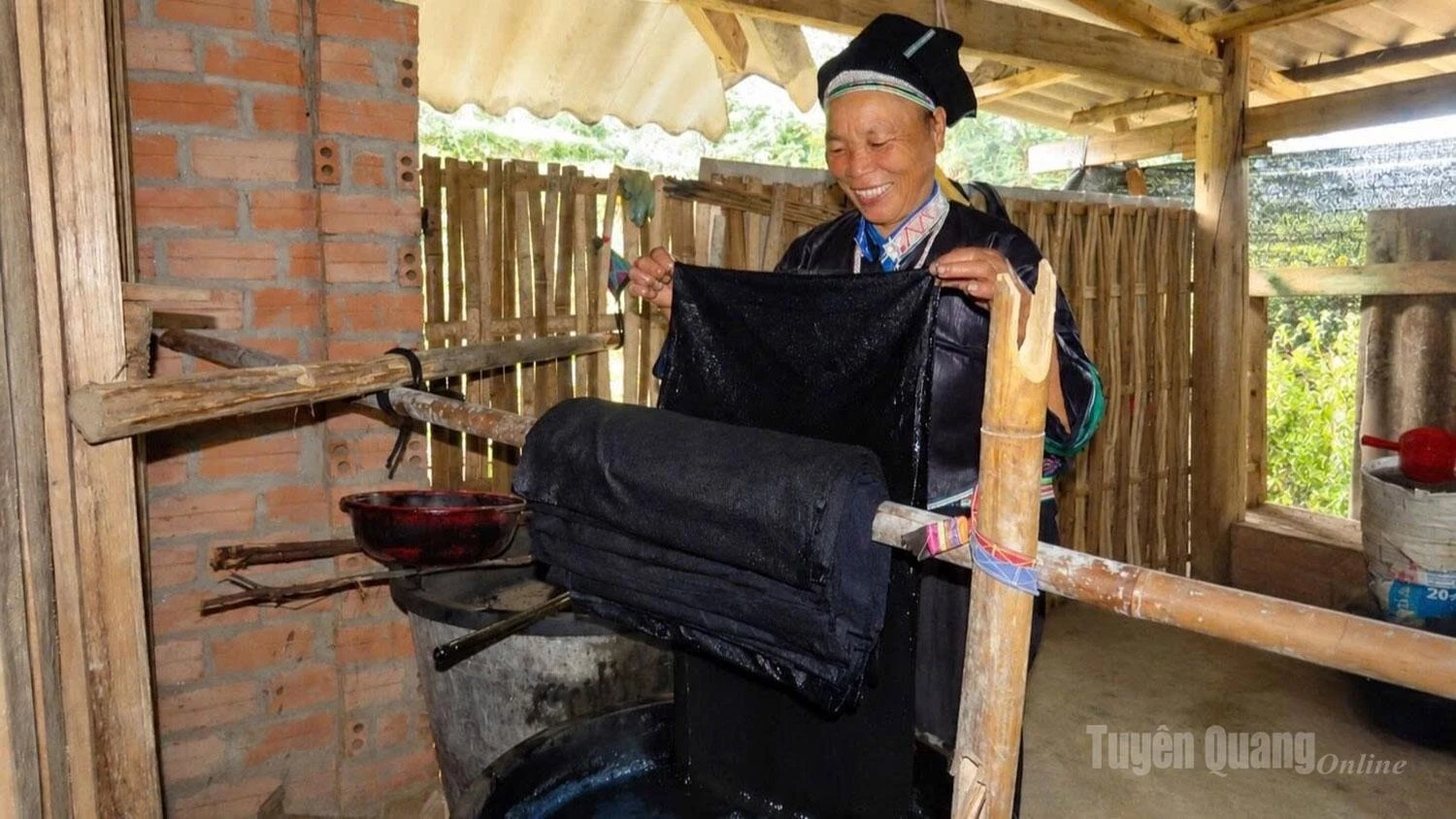 |
| At 54, after nearly 40 years devoted to the craft of indigo dyeing, Lu Thi Dum continues to preserve this traditional practice with dedication, serving as a role model for younger generations of Nung people to learn from and carry on the craft. |
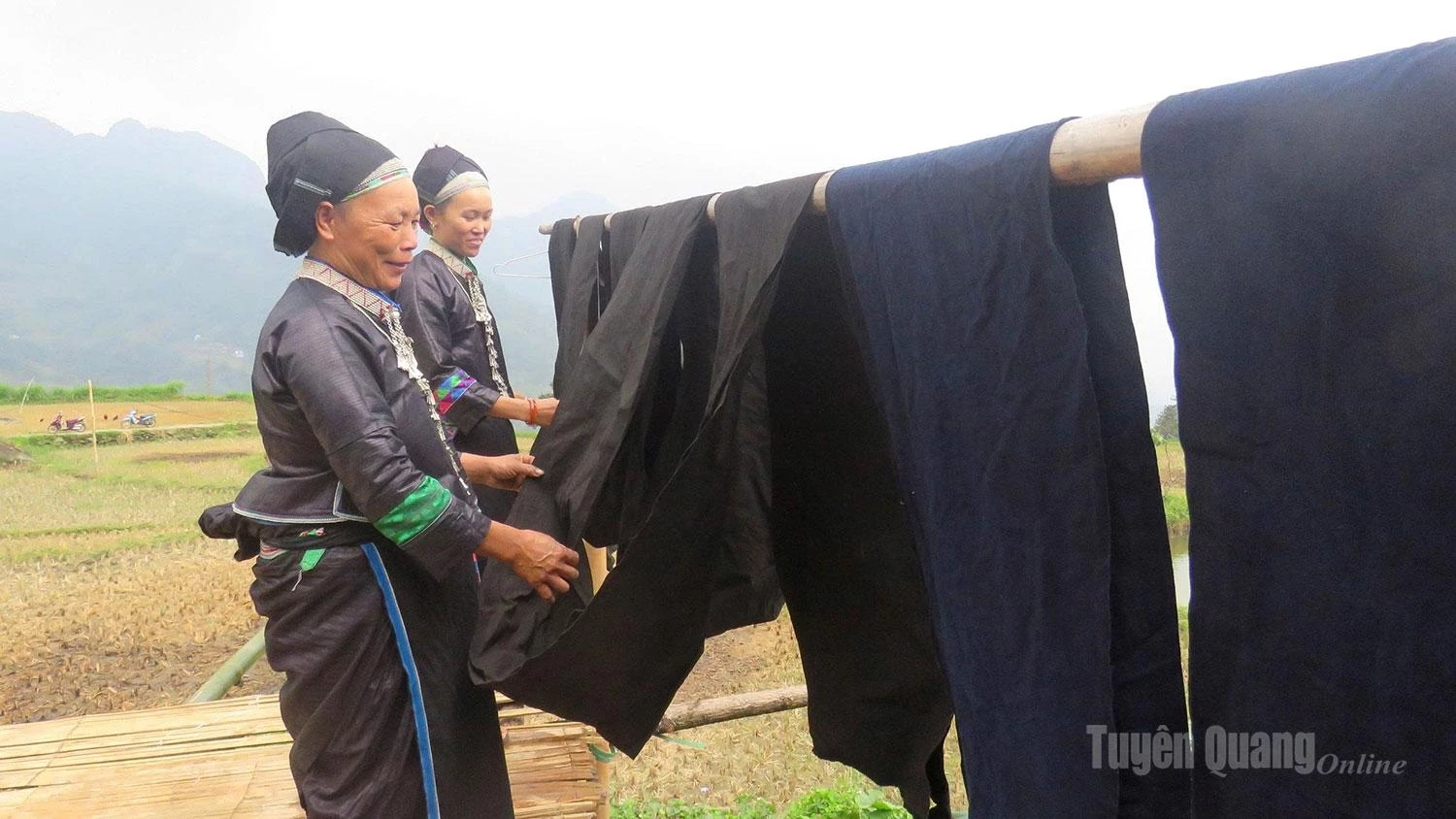 |
| The fabric is repeatedly soaked in indigo and dried to allow the colour to penetrate deeply, develop an even shade and achieve the desired natural sheen. |
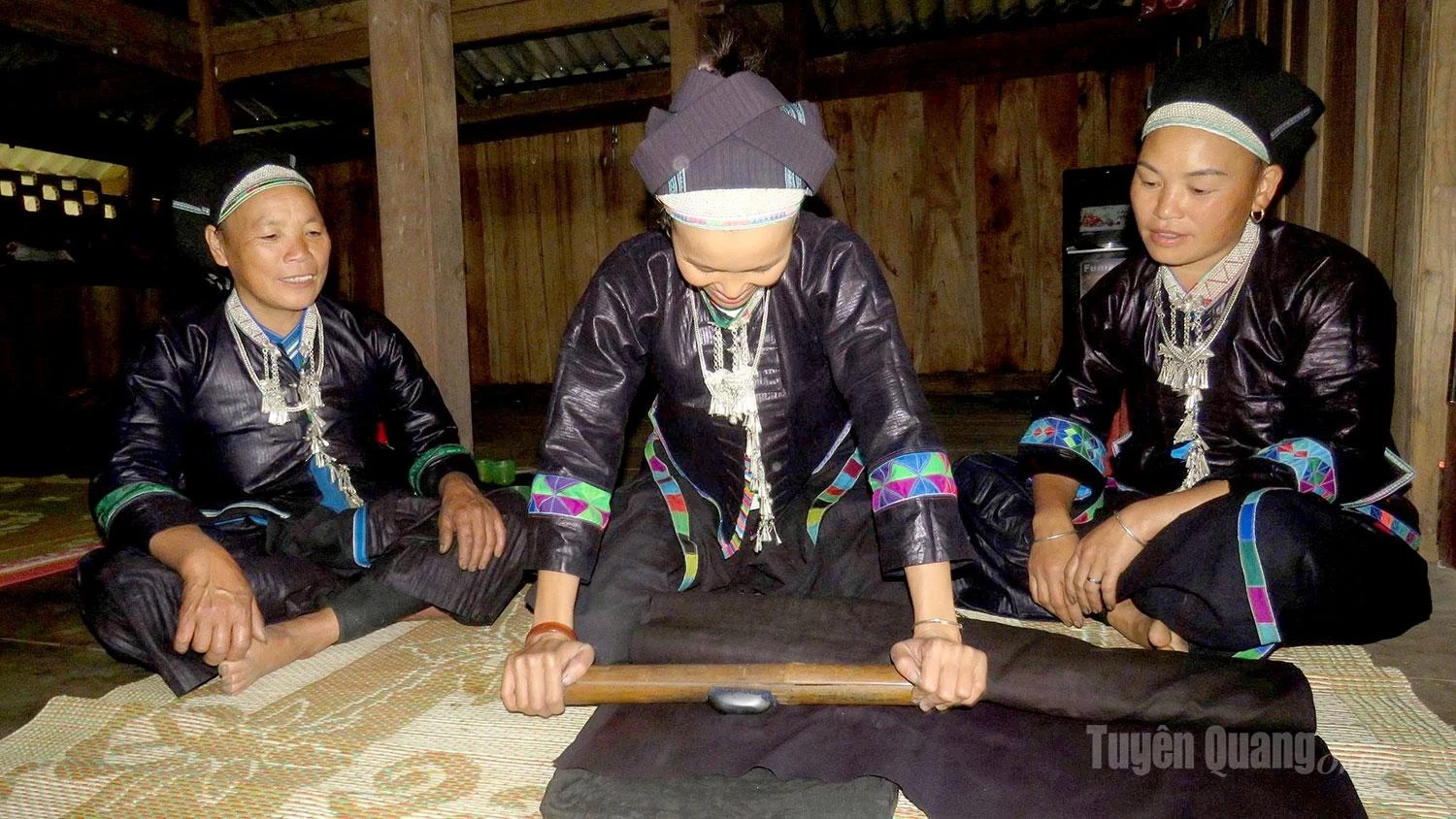 |
| Once the fabric has reached the desired indigo shade through repeated rounds of dyeing and drying, it is polished to complete the fabric before it is made into traditional clothing. |
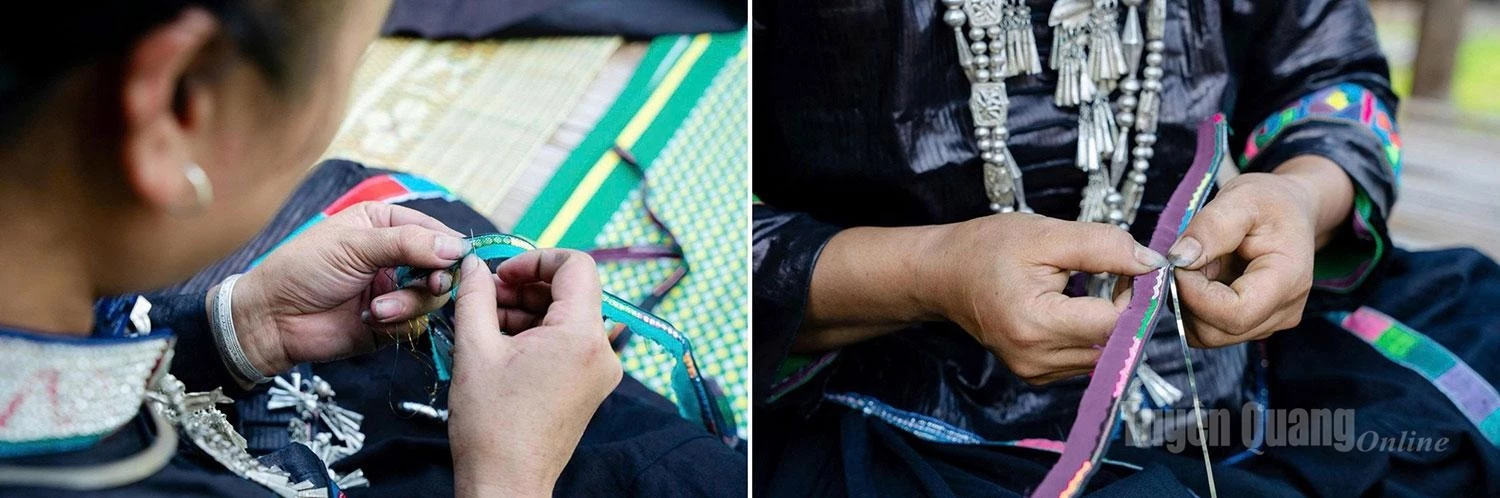 |
| From the finished indigo-dyed fabric, skilled women continue sewing and embroidering, creating distinctive patterns and decorative details on traditional Nung costumes. |
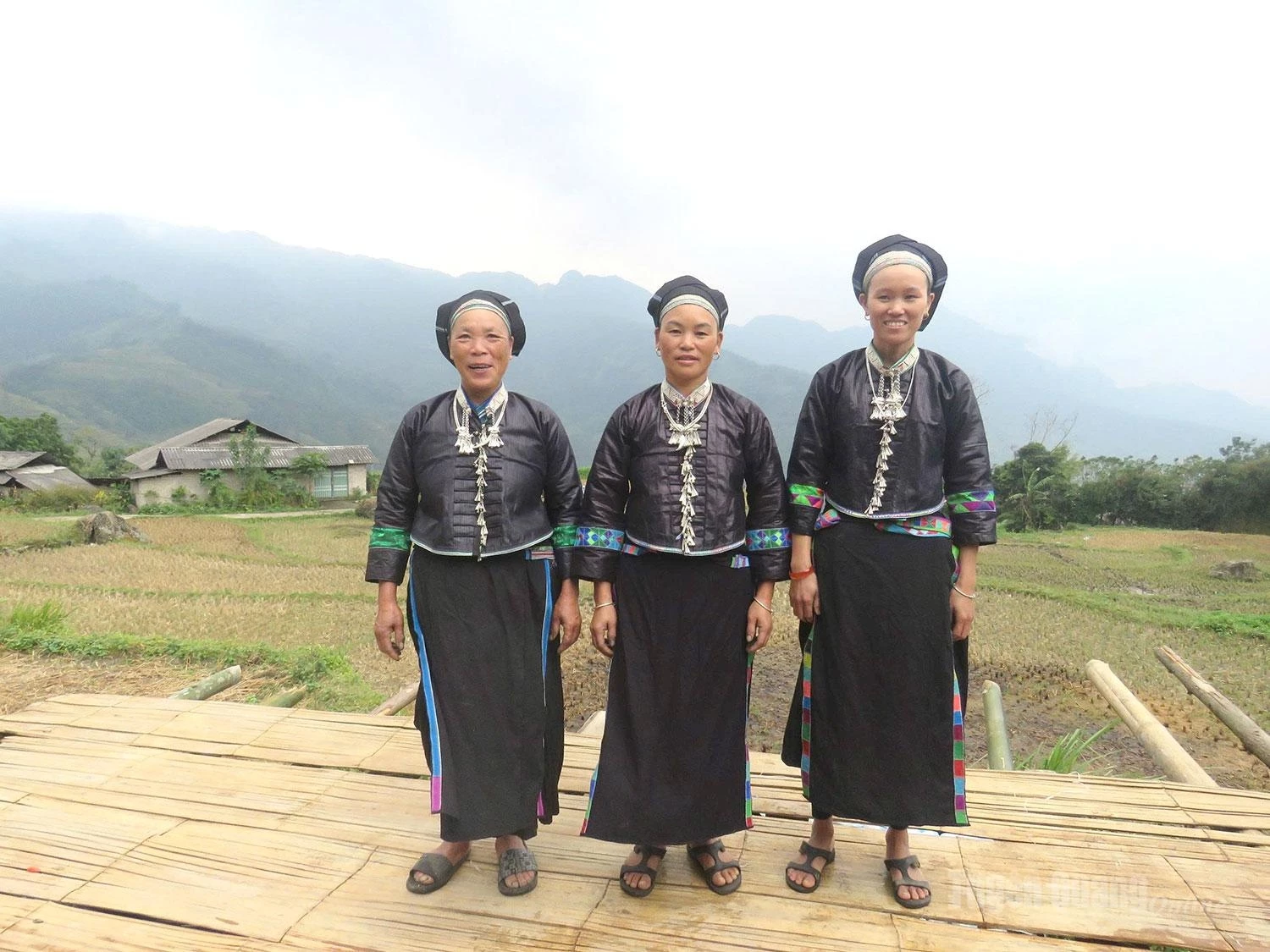 |
| These traditional outfits, featuring characteristic patterns, continue to be preserved and worn by Nung women during festivals, Lunar New Year celebrations and important family occasions, reflecting the enduring beauty of their ethnic cultural heritage. |
Hong Nhung



READER COMMENTS