
Double pressure on the global oil market
As the conflict in the Middle East continues to disrupt oil flows and push diesel prices to record highs, major oil exporters are holding back from increasing output. Oil prices have eased after the G7 agreed to release 100 million barrels of crude oil and diesel from strategic reserves, but the “black gold” market remains at risk of a prolonged period of high prices.
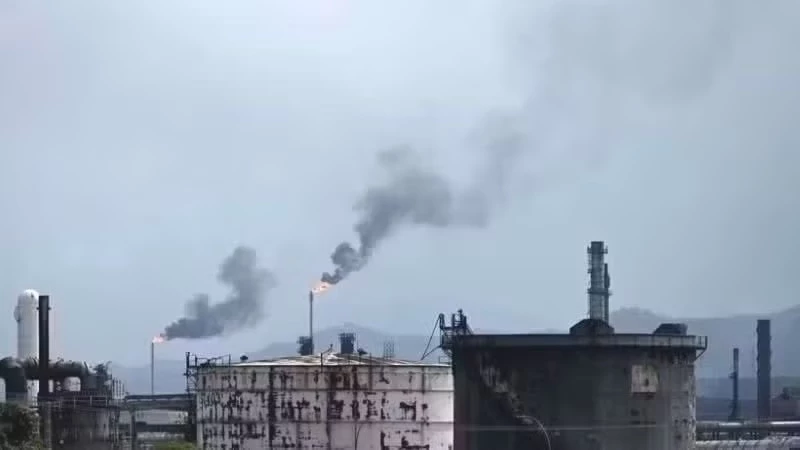 |
| The petrochemical industrial complex in Anzoategui, Venezuela. (Photo: Xinhua) |
Key members of the Organisation of the Petroleum Exporting Countries and its partners (OPEC+), including Saudi Arabia, Russia, Iraq, Kuwait, Kazakhstan, Algeria and Oman, have agreed to maintain current oil production levels in November 2026. The decision was made at an online meeting as the alliance closely monitors supply conditions and energy transport routes in the Middle East.
OPEC+ has opted for caution, leaving production quotas unchanged as neither an increase nor a reduction in output is currently seen as the decisive factor in determining oil prices. Disruptions to oil transportation routes are among the main reasons behind the decision.
Interruptions to oil flows through key shipping routes have made it difficult for OPEC+’s nominal spare capacity to translate into actual supplies. The group’s real output remains well below potential as exports continue to be affected by the conflict in the Middle East.
This is also why oil prices remain highly sensitive to geopolitical developments. The OPEC+ decision is particularly significant as the market faces a double squeeze: physical supplies are being constrained by the conflict, while oil futures have moved back above 100 USD per barrel.
The decision came as retail diesel prices hit record highs, prompting the G7 to consider releasing emergency oil reserves.
The crisis surrounding the Strait of Hormuz has created one of the largest supply shocks in the history of the oil market.
Notably, refined products, particularly diesel, have come under greater pressure than crude oil prices. Attacks on refineries have worsened diesel shortages, affecting road transport, agriculture, industry and logistics.
This means the diesel supply shock could have a broader ripple effect than a simple petrol price shock.
In response, the G7 agreed to release up to 100 million barrels of crude oil and fuel from emergency reserves. The move signals that major oil-consuming countries are prepared to use strategic stockpiles to cushion the impact of supply disruptions and temporarily halt the sharp rise in global fuel prices.
According to the International Energy Agency (IEA), around 325 million of the 400 million barrels pledged for release by countries in March have already reached the market.
The latest G7 release is therefore part of a broader series of large-scale interventions aimed at preventing an energy supply shock from developing into a global economic shock.
However, strategic reserves cannot replace long-term supplies. While stock releases can help the market weather a temporary shortage, they cannot continue indefinitely.
The IEA has stressed that the restoration of stable flows through the Strait of Hormuz is the key factor in returning the oil and gas markets to normal.
The key question is therefore not whether oil prices will rise or fall in a particular session, but how long the supply crisis will last. This is why the latest OPEC+ decision carries significance beyond the November production quota.
Oil producers are opting for caution, while consuming countries are drawing on strategic reserves to compensate for disrupted supplies.
Whether major consumers continue to release large volumes from their stockpiles or OPEC+ remains cautious over production decisions, price pressures can only be eased if transport through key routes is restored and Middle Eastern oil flows return to the market.
In the short term, coordination among OPEC+, the G7 and the IEA may help prevent a more severe price shock. In the longer term, however, no amount of stored oil can replace stable supplies from the Middle East.
NDO


READER COMMENTS