
How to plan a Sapa 1 day tour: Itinerary, Places to visit and Travel tips
Sapa is one of northern Vietnam’s most popular mountain destinations, famous for its terraced rice fields, ethnic minority villages, and spectacular mountain scenery. If you only have one day, planning your route carefully is essential, as travel time, trekking distance, transportation, and weather can affect what you can see. This guide shows you how to plan a practical Sapa 1 Day Tour, from choosing where to go and arranging your route to getting around Sapa.
Start by choosing what You want to do in Sapa
With only one day in Sapa, it is better to choose a main travel style rather than trying to visit every attraction.
If you enjoy walking and want to experience local culture, a trekking route through Muong Hoa Valley, Lao Chai, and Ta Van is a good option. You can walk through rice terraces, visit ethnic villages, and see how local communities live in the mountains.
If you prefer sightseeing with less walking, Fansipan Mountain and Cat Cat Village are easier to combine with vehicle transportation.
You can also combine trekking and sightseeing, but keep the number of destinations limited. A realistic itinerary is much more enjoyable than spending the entire day rushing from one place to another.
 |
Which places can you visit in One Day?
Choosing destinations that work well together is one of the most important parts of planning a Sapa 1 Day Tour.
Muong Hoa Valley
Muong Hoa Valley is one of the best areas for a one-day trekking experience. The valley is surrounded by mountains and is famous for its terraced rice fields, streams, and ethnic minority villages.
Trekking here gives you time to enjoy the landscape while passing through local communities and agricultural areas. If you want a combination of scenery and culture, Muong Hoa should be one of the first places to consider.
Lao Chai and Ta Van Villages
Lao Chai and Ta Van are located in Muong Hoa Valley and can be included in the same trekking route.
The villages are home to Hmong and Tay communities. Along the way, you can see traditional houses, rice terraces, small farms, handicrafts, and everyday village life.
Because these destinations are close enough to combine into one route, they are particularly suitable when you have limited time.
Cat Cat Village
Cat Cat Village is located close to Sapa town and is one of the easiest attractions to include in a short trip.
The village is known for traditional Hmong culture, local handicrafts, streams, waterfalls, and mountain views. Its location makes it a practical choice for travelers who want to experience a traditional village without spending several hours on transportation.
Fansipan Mountain
If reaching the highest mountain in Vietnam is one of your priorities, Fansipan Mountain can be included in your day trip.
 |
At more than 3,000 meters above sea level, Fansipan is known as the “Roof of Indochina.” The cable car makes it possible to reach the mountain area without completing a long trek.
Before visiting, check the weather forecast. Clouds and fog can reduce visibility and may affect the mountain views.
How should you arrange your Sapa 1 day itinerary?
Once you have selected your destinations, arrange them according to location and travel time.
A practical itinerary should not simply list as many attractions as possible. You also need to allow time for transportation, meals, photography, short breaks, and unexpected delays.
Morning: Start with Your Main Activity
Start your day early and use the morning for your main activity.
For a trekking-focused itinerary, travel from Sapa town to Muong Hoa Valley and begin walking through the rice terraces and villages.
The morning is generally a comfortable time for outdoor activities. As you leave the town, the scenery becomes quieter, with mountain slopes, streams, forests, and traditional houses along the route.
If you prefer sightseeing, you can use the morning to visit Fansipan by cable car or explore Cat Cat Village.
Lunch:Choose a convenient place along your route.
Plan lunch according to where your morning activity finishes.
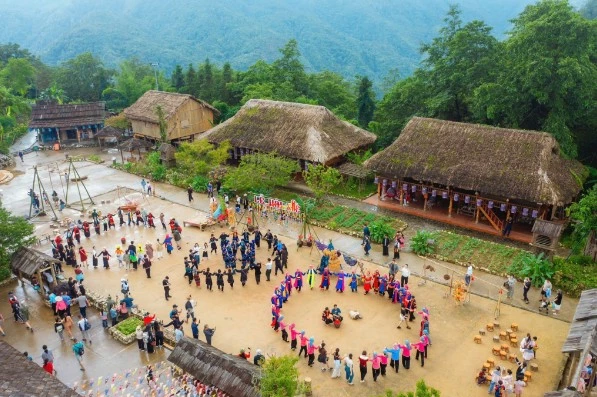
If you are trekking through the villages, you can stop at a local restaurant or eat at a village homestay. Trying local food is a useful way to experience another part of Sapa’s culture.
 |
Avoid planning lunch far away from your route. Spending an hour traveling simply to reach a restaurant can take valuable time away from sightseeing.
Afternoon: Continue with a Shorter Activity
After lunch, choose an activity that fits comfortably into the remaining time.
If your morning was spent trekking in Muong Hoa Valley, you can continue toward Lao Chai or Ta Van before returning to Sapa.
If you visited Fansipan in the morning, you could spend the afternoon exploring Cat Cat Village or walking around Sapa town.
The afternoon should generally be less demanding than the morning, especially after several hours of trekking.
Late Afternoon: Return to Sapa
Plan to return to Sapa town before evening.
This is particularly important if you are taking a night bus or continuing your journey to another destination. Leave enough time for transportation and unexpected delays rather than scheduling your final attraction immediately before departure.
How do you get around Sapa in one day?
Transportation can make a significant difference to your itinerary.
For sightseeing between attractions, you can use a private car, taxi, motorbike, or tour transportation. Walking is usually the best way to explore villages and rice terraces once you reach the trekking area.
If you are not familiar with the mountain roads, hiring a local driver or joining an organized tour can make the day easier. A local team can also estimate realistic travel times between destinations.
When planning your route, remember that a short distance on a map does not always mean a short journey. Mountain roads can be narrow, steep, and slower than roads in cities.
Should you Trek or Sightsee?
This depends mainly on your interests and fitness level.
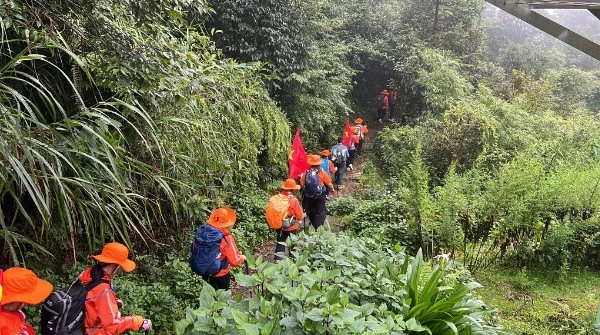
Choose trekking if you want to spend more time outdoors, walk through rice terraces, visit ethnic villages, and experience local life at a slower pace.
 |
Choose sightseeing if you prefer comfortable transportation, famous attractions, and less physical activity.
If you want both, combine one major trekking experience with one sightseeing attraction rather than trying to fit several long activities into the same day.
For first-time visitors with only one day, this approach usually creates a more comfortable schedule.
How many places should you visit in one day?
There is no fixed number, but two or three main attractions or areas is usually more realistic than trying to visit everything.
For example:
Trekking route:Sapa → Muong Hoa Valley → Lao Chai → Ta Van → Sapa
Sightseeing route:Sapa → Fansipan → Sapa → Cat Cat Village → Sapa
Mixed route:Sapa → Muong Hoa Valley → Lao Chai/Ta Van → Sapa → Cat Cat Village
Your actual route should depend on your starting point, transportation, weather, and departure time.
What should you bring for a Sapa day trip?
What you need depends on whether you are trekking or sightseeing, but a few items are useful for almost every itinerary.
For a trekking-focused Sapa 1 Day Tour, bring:
- Comfortable walking or trekking shoes
- Lightweight clothing
- A light jacket
- Rain jacket or poncho
- Drinking water
- Sunscreen
- Hat or cap
- Small backpack
- Phone or camera
Mountain weather can change quickly, so a waterproof layer is particularly useful.
During colder months, bring warmer clothing because temperatures in the mountains can be considerably lower than in Hanoi or other lowland areas.
What should you check before leaving Sapa?
Before starting your day, check three things: weather, transportation, and your return time.
Weather is especially important if you plan to visit Fansipan or go trekking. Rain can make trails muddy and slippery, while fog can reduce visibility around mountain viewpoints.
You should also confirm how you will return to Sapa and how long the journey will take.
If you are leaving Sapa on the same day, check your bus or transfer departure time before choosing your final attraction. It is better to finish your itinerary early than risk missing your onward transportation.
Is it better to plan the trip yourself or join a tour?
A self-guided trip gives you more freedom, but it also means arranging transportation, researching routes, checking travel times, and managing the entire schedule yourself.
An organized Sapa 1 Day Tour can be more convenient if you have limited time or are visiting Sapa for the first time.
A local guide can help you navigate trekking routes, explain local customs, and provide information about the villages and communities you visit. Transportation and other arrangements can also be organized in advance.
 |
If you want to explore several areas in one day without spending time working out the logistics yourself, a local tour can be a practical option.
A practical way to plan your Sapa day trip
The easiest way to build your itinerary is to work backwards from your available time.
If you arrive in Sapa in the morning and leave in the evening, first calculate how many hours you actually have. Then choose your main activity, select one or two nearby destinations, and allow time for meals and transportation.
For example, a trekking-focused day could follow this structure:
08:00 – 08:30: Leave Sapa town09:00 – 12:00: Trek through Muong Hoa Valley and local villages12:00 – 13:00: Lunch13:00 – 15:30: Continue toward Lao Chai and Ta Van15:30 – 16:30: Return to Sapa16:30 onwards: Free time or onward transportation
The exact timing will vary depending on the route, walking speed, weather, and transportation.
Plan your Sapa 1 day tour with Sapa Trekking
If you prefer to spend your day exploring rather than arranging transportation and routes, Sapa Trekking offers one-day trekking and sightseeing programs in Sapa.
Ready-made itineraries are available for travelers who want to explore local villages, rice terraces, and mountain attractions. Customized programs can also be arranged according to your travel dates, preferred destinations, transportation, and fitness level.
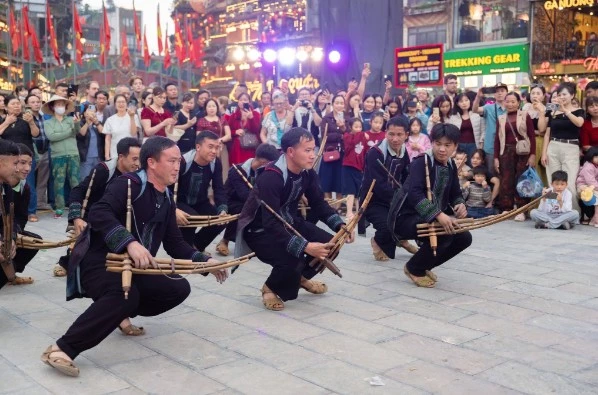 |
For trekking experiences, local guides accompany travelers along the routes and provide information about local culture, traditions, agriculture, and everyday life.
Sapa Trekking can also assist travelers arriving from Hanoi or Ha Giang, making it possible to combine Sapa with other destinations in Northern Vietnam.
Sapa Trekking is a brand under Ha Giang Foods and Travel Co., Ltd., a travel company specializing in travel programs in Northern Vietnam. The company holds International Tour Operator License No. 08-0023/2026/CDLQGVN-GPLHQT, issued by the Vietnam National Authority of Tourism.
Contact Sapa Trekking
SAPA
- Address: 313 Dien Bien Phu Street, Sa Pa, Lao Cai, Vietnam
- Hotline/WhatsApp: +84823 18 2323
- Email: sapatrekkingoffical@gmail.com
HANOI
- Address: No. 2, Alley 105, Xuan La Street, Xuan Dinh Ward, Hanoi, Vietnam
- Hotline/WhatsApp: +84813 68 2323
- Email: zinghomehagiang@gmail.com
HA GIANG
- Address: 56 Le Tran Man Street, Ha Giang 1 Ward, Tuyen Quang Province, Vietnam
- Hotline/WhatsApp: +84813 68 2323
- Email: zinghomehagiang@gmail.com.
A well-planned Sapa 1 Day Tour is about choosing the right destinations, allowing enough time for travel, and avoiding an overly crowded itinerary. Whether you prefer trekking, sightseeing, or local culture, a practical route can help you enjoy Sapa’s landscapes and villages without feeling rushed.


READER COMMENTS