
Stone fences on the Dong Van Karst Plateau
Across the Dong Van Karst Plateau, rocks are everywhere. Stone rises into mountains, spreads across valleys and fills even the smallest patches of soil where local people plant maize. Yet there is one form of stone that is particularly distinctive and closely connected to everyday life: the stone fences surrounding houses, gardens and fields of the Hmong people.
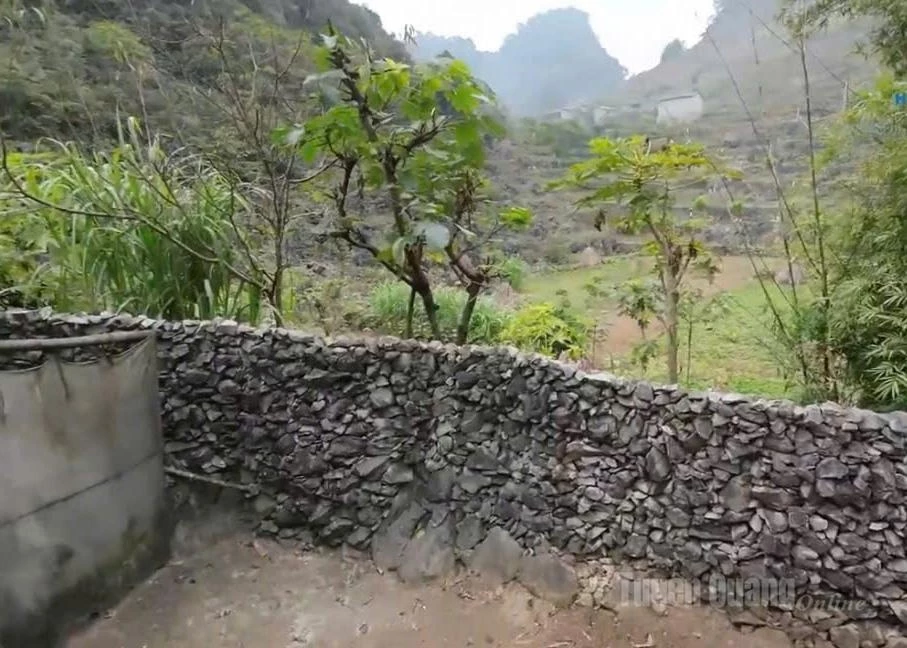 |
Stone fences are built without cement or mortar. Local people collect stones from their fields and mountain slopes, placing the larger ones at the bottom and smaller ones above to fill the gaps. With skill and patience, stones that appear scattered and disconnected are carefully fitted together to form sturdy walls. Many stone fences have stood firm through rain and sun, monsoon winds and countless seasons when maize turns from green to golden across the grey stone landscape.
Looking at a stone fence, one can imagine the immense effort made by the household that built it. Each stone placed on the wall means bending down, lifting a heavy load and carefully calculating how it will fit with the others. Highland people rarely speak much about hardship. They simply work quietly and steadily to build and improve their homes. Thus, stone fences do more than keep livestock in check, retain soil and protect household gardens; they are also enduring traces of generations of hard work.
In villages across the Dong Van Karst Plateau, stone fences contribute to the distinctive beauty of the local living environment. Behind them are earthen-walled houses, peach trees in the yards and kitchen smoke slowly rising in the afternoon. In spring, peach and pear blossoms bloom beside the stone fences. In summer, maize stalks grow from pockets of soil among the rocks. In winter, mist settles over the grey stones, lending the villages an even more tranquil and solemn appearance.
Perhaps what makes these stone fences truly special is the harmony between people and nature. The Hmong do not remove the rocks in search of an easier life. Instead, they adapt to the stones, live alongside them and turn them into part of their homes, garden walls and pathways. Stone may be hard and cold, but through human hands, it takes on warmth and character.
As one travels through this land of rocks, sometimes simply stopping before an old stone fence is enough to glimpse the story of generations. It is a story of patience, of laboring hands, and of how people have built their lives on a harsh yet breathtakingly beautiful land.
Quy Anh


READER COMMENTS