
Digital transformation for better public service
In recent years, Dong Van General Hospital has stepped up digital transformation and the application of information technology with the aim of improving the quality of medical services and better serving the public. Among these efforts, the implementation of electronic medical records is considered a breakthrough, helping modernize professional workflows, optimize management, and reduce administrative procedures.
From October 1, 2025, the hospital officially replaced paper-based medical records with electronic ones; medical images are now stored and transmitted digitally instead of being printed on film, while test results are managed and archived on electronic systems. As a result, patients’ waiting times have been significantly reduced, and examination and treatment procedures have become more scientific, transparent, and convenient.
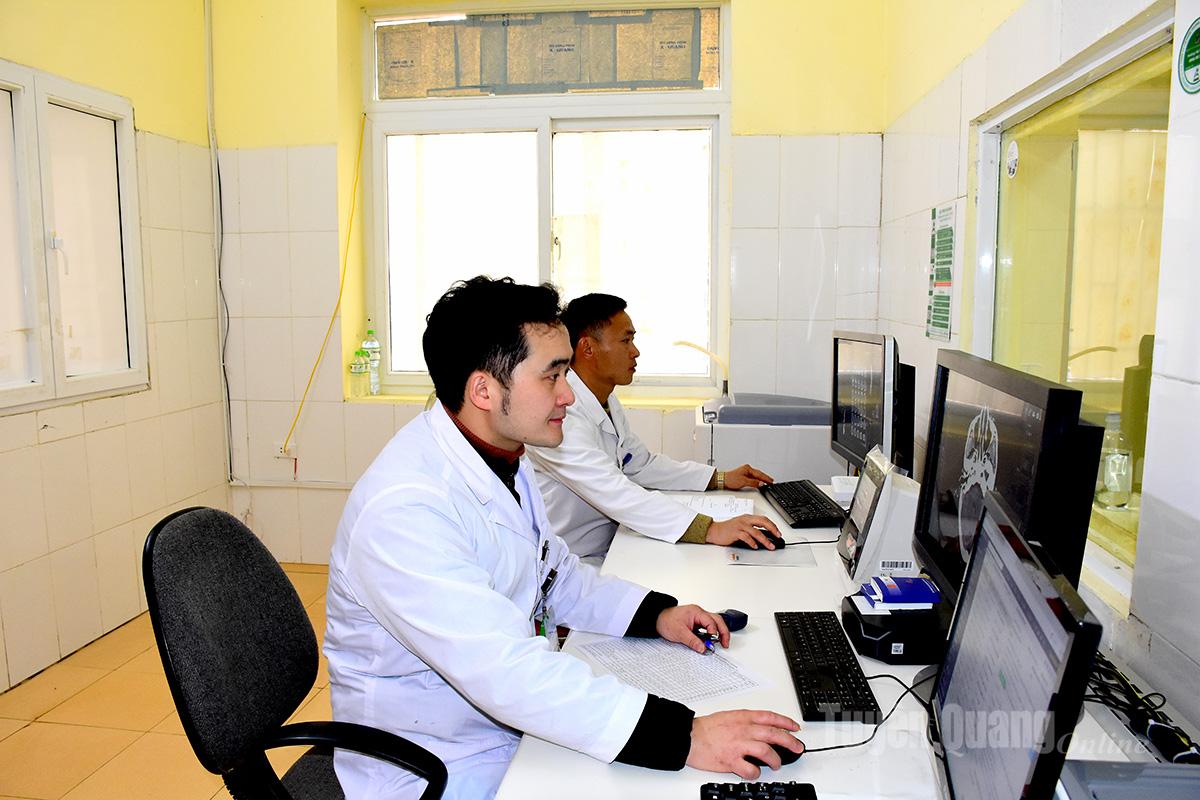 |
| Patients’ examination results are stored on the data system of Dong Van General Hospital. |
Alongside the deployment of electronic medical records, the hospital has actively implemented the Government’s Project 06 on digital transformation in the healthcare sector. Patients can register for medical services using various forms of identification, including health insurance cards, citizen ID cards, VssID, and VNeID. Notably, the installation of self-service kiosks for queue numbers in the outpatient area has helped save time and ease congestion.
Digital transformation has brought tangible benefits to local residents. Procedures ranging from registration and medical record management to payment have been digitized, with cashless payment via QR codes integrated at service counters. As a result, patients no longer need to carry large amounts of paperwork, administrative burdens are reduced, and the overall healthcare experience is significantly improved.
For medical staff, electronic medical records enable fast and accurate access to patient information. Nurses and midwives can perform medical orders and prepare medications directly on the system, significantly reducing workload and pressure. Data sharing between departments has also become smoother, supporting more effective diagnosis and coordinated treatment.
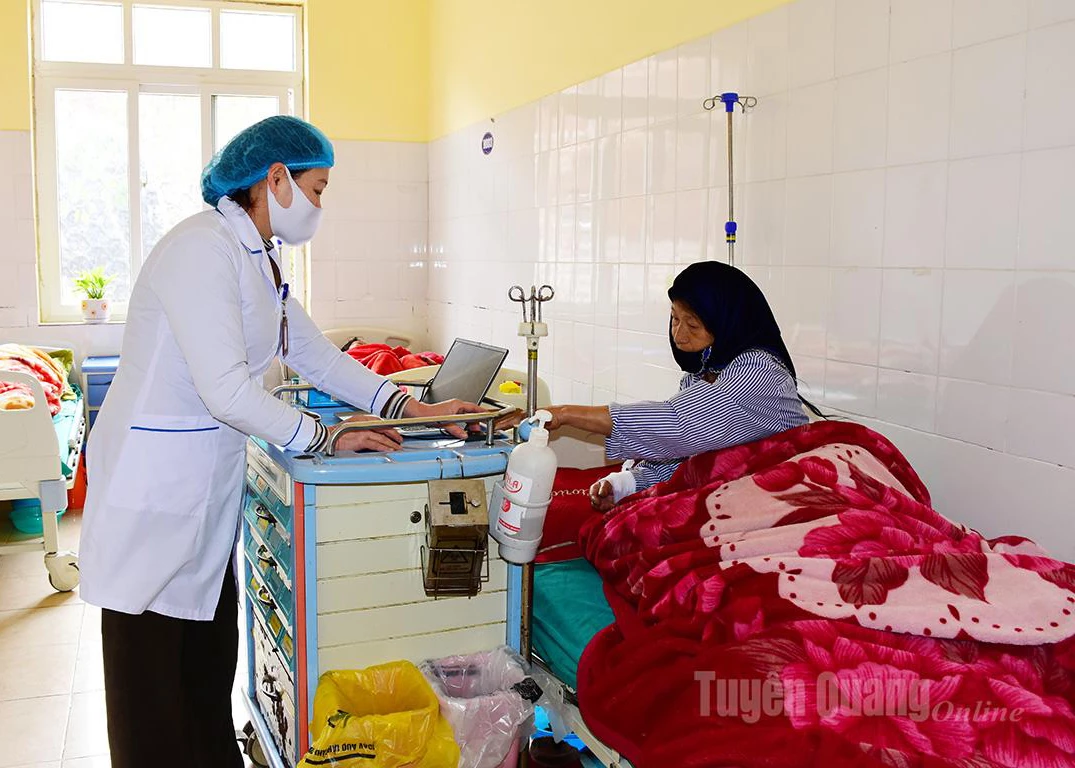 |
| Patients perform procedures on the hospital’s digitalized software system. |
Currently, 100% of the hospital’s departments and units carry out temporary residence notifications via the online public service portal or the ASM residence notification software. Since the introduction of electronic medical records in October 2025, the hospital has created more than 4,000 electronic medical records, most of which have completed treatment and been promptly submitted for health insurance payment and uploaded to the sector’s data portal.
As the fourth medical facility in the province to implement electronic medical records, Dong Van General Hospital is gradually moving toward a smart hospital model. Digitalized data serves as a foundation for applying modern solutions, improving the quality of medical examination and treatment, and affirming the healthcare sector’s commitment to placing people’s satisfaction and health at the center of its development goals.
Minh Hoa


READER COMMENTS