
Preserving the traditional Hmong hemp-weaving craft in Dong Van
Dong Van (Tuyen Quang) captivates visitors not only with its majestic natural landscapes but also as a place where a unique traditional craft is preserved: hemp weaving among the Hmong people. For the Hmong, hemp fibre is more than just a material for making clothes; it is also a spiritual bond connecting people with their ancestors, the earth and the heavens.
To produce a piece of hemp fabric, Hmong women must go through numerous meticulous stages, from harvesting and drying the plants to stripping the bark, softening the fibres, joining them, winding them onto bobbins and weaving.
Vang Thi Ly, from Sa Tung Chu Hamlet, Dong Van Commune, said that stripping and joining hemp fibres are the most laborious stages, requiring great patience. Manually joining short strands into one continuous length of thread can take several weeks.
The Hmong hemp loom is made of wood and firmly secured in place. The rhythmic, steady clatter of the loom has become a distinctive sound in local villages.
Once it comes off the wooden loom, the simple fabric is naturally ivory-white or dyed with indigo and decorated using embroidery and beeswax-resist techniques.
Geometric patterns, spiral motifs and other designs serve as an artistic language that depicts the universe, nature and aspirations for fertility and prosperity.
Watching each stage of the process, Christine, a visitor from Canada, expressed her amazement and admiration for the remarkable skills and perseverance of local artisans.
A complete traditional outfit can take several months or even a year to make, as every stage is carried out by hand. Today, under pressure from market competition and industrially manufactured goods, the traditional hemp-weaving craft is at risk of fading away.
Nevertheless, Hmong women in Dong Van remain determined to preserve their craft by establishing cooperatives and linking cultural preservation with the development of experiential tourism.
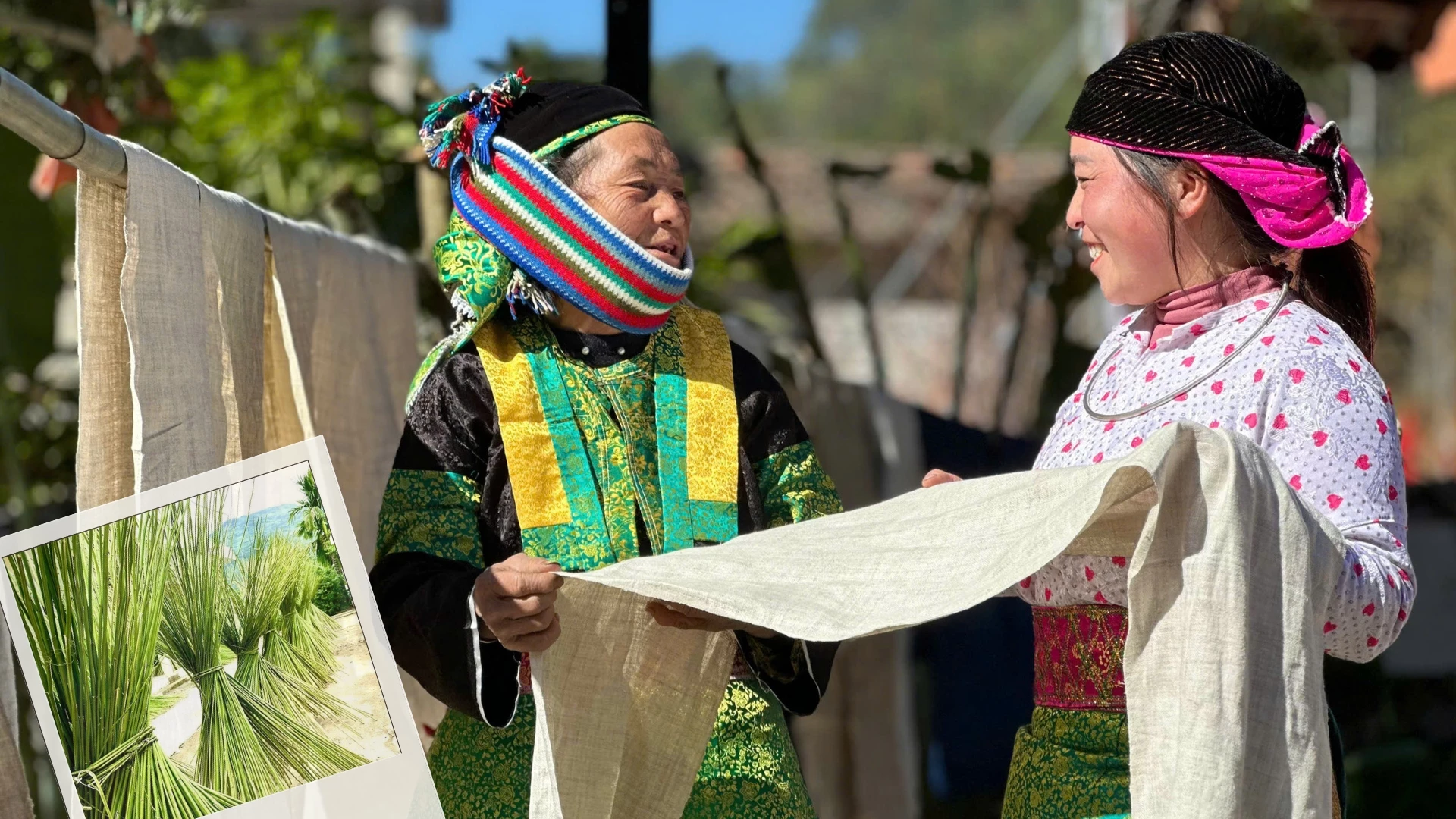 |
| Hmong women must go through numerous meticulous stages to produce a piece of hemp fabric. |
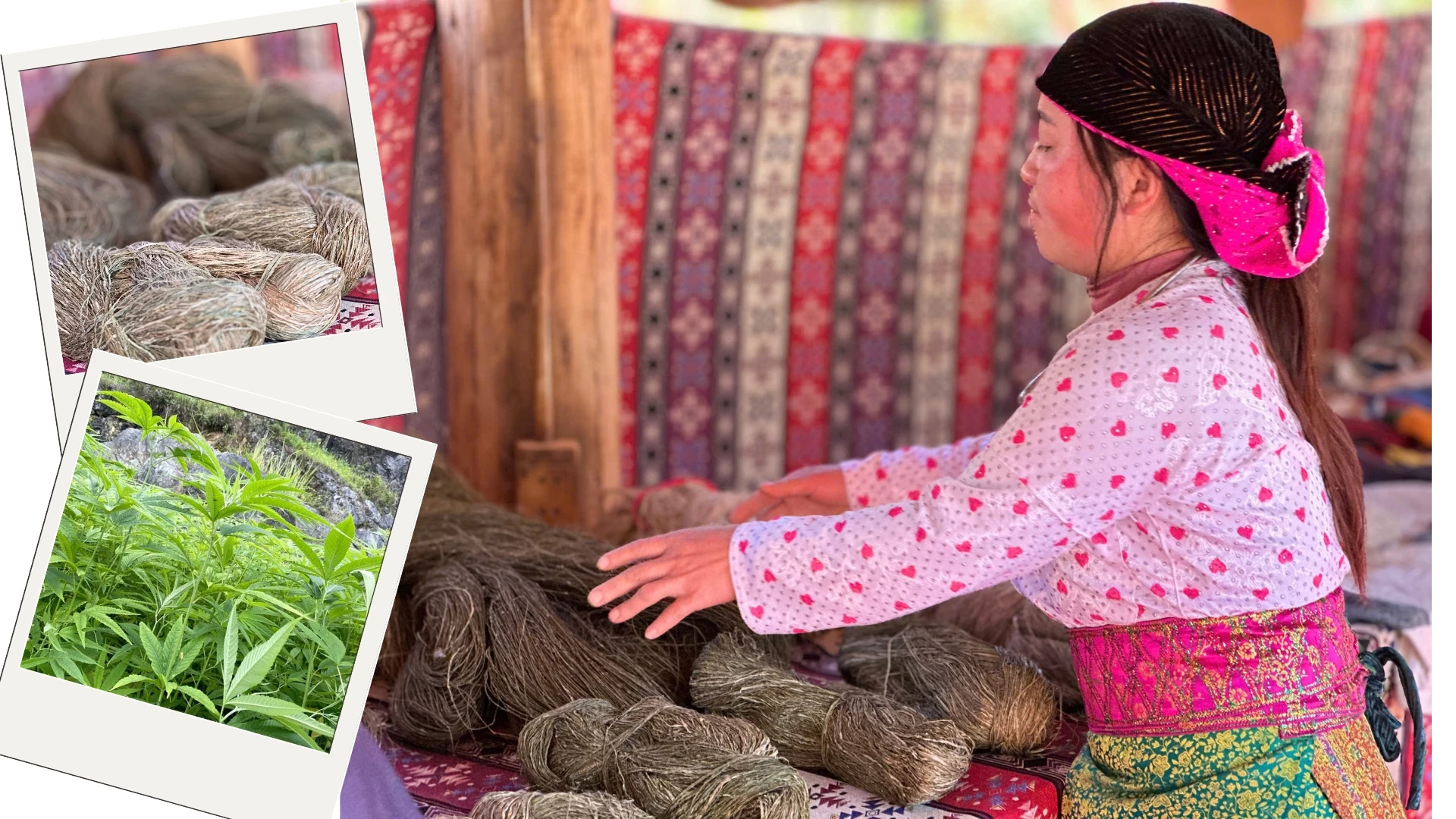 |
| Vang Thi Ly, from Sa Tung Chu Hamlet, Dong Van Commune, said that stripping and joining hemp fibres are the most laborious stages. |
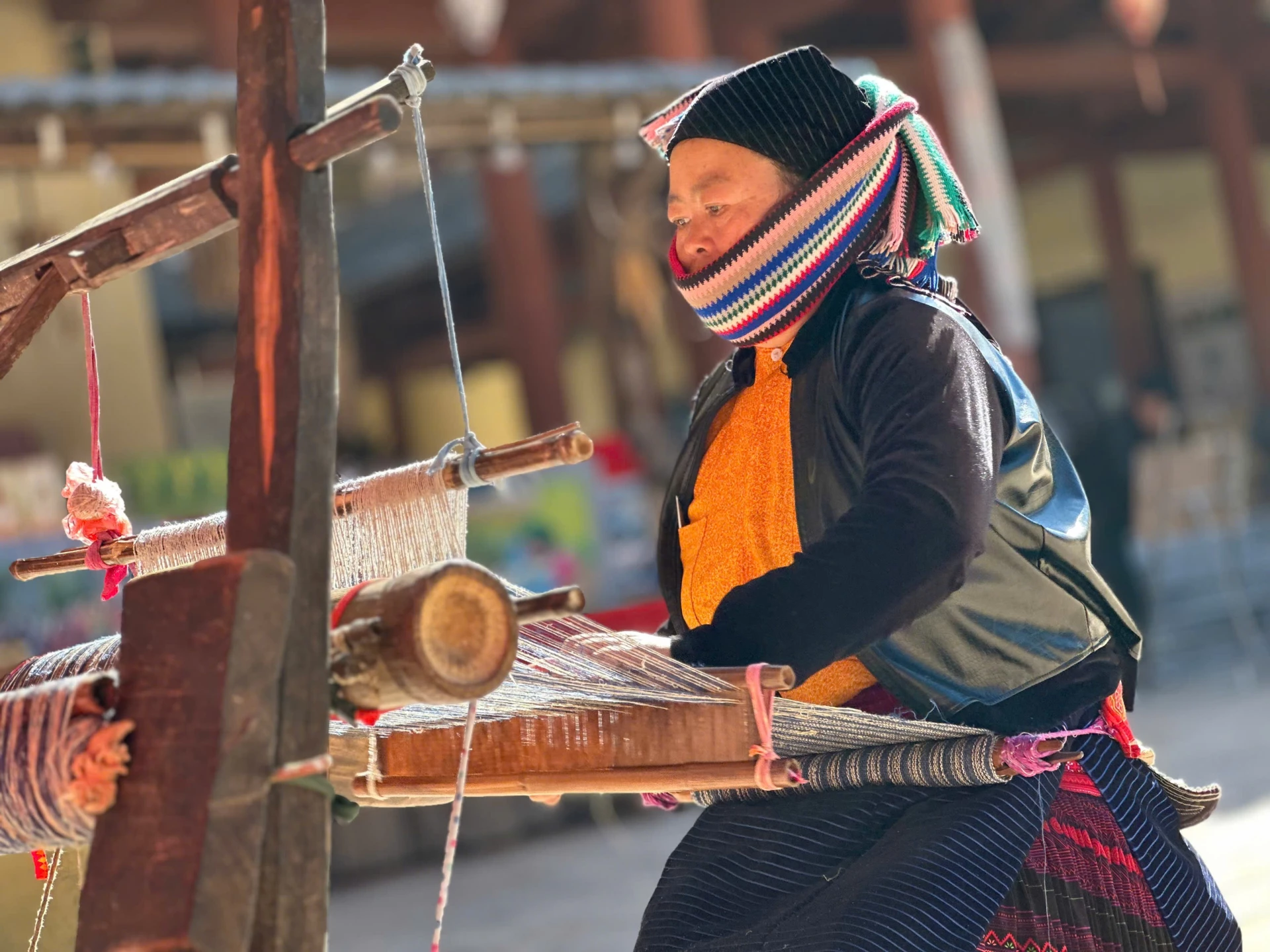 |
| The Hmong hemp loom is made of wood and firmly secured in place. |
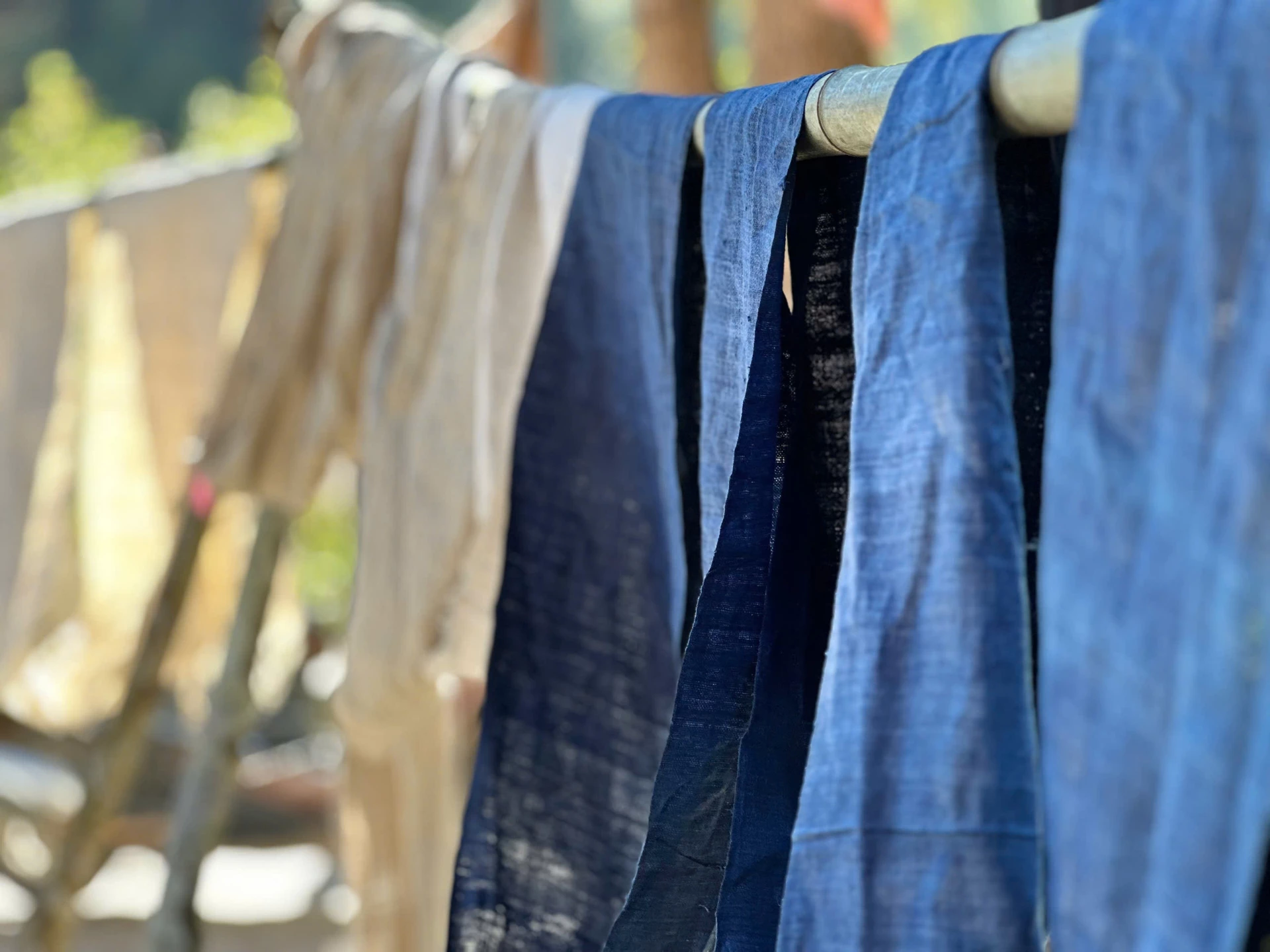 |
| Once it comes off the wooden loom, the simple fabric is naturally ivory-white or dyed with indigo. |
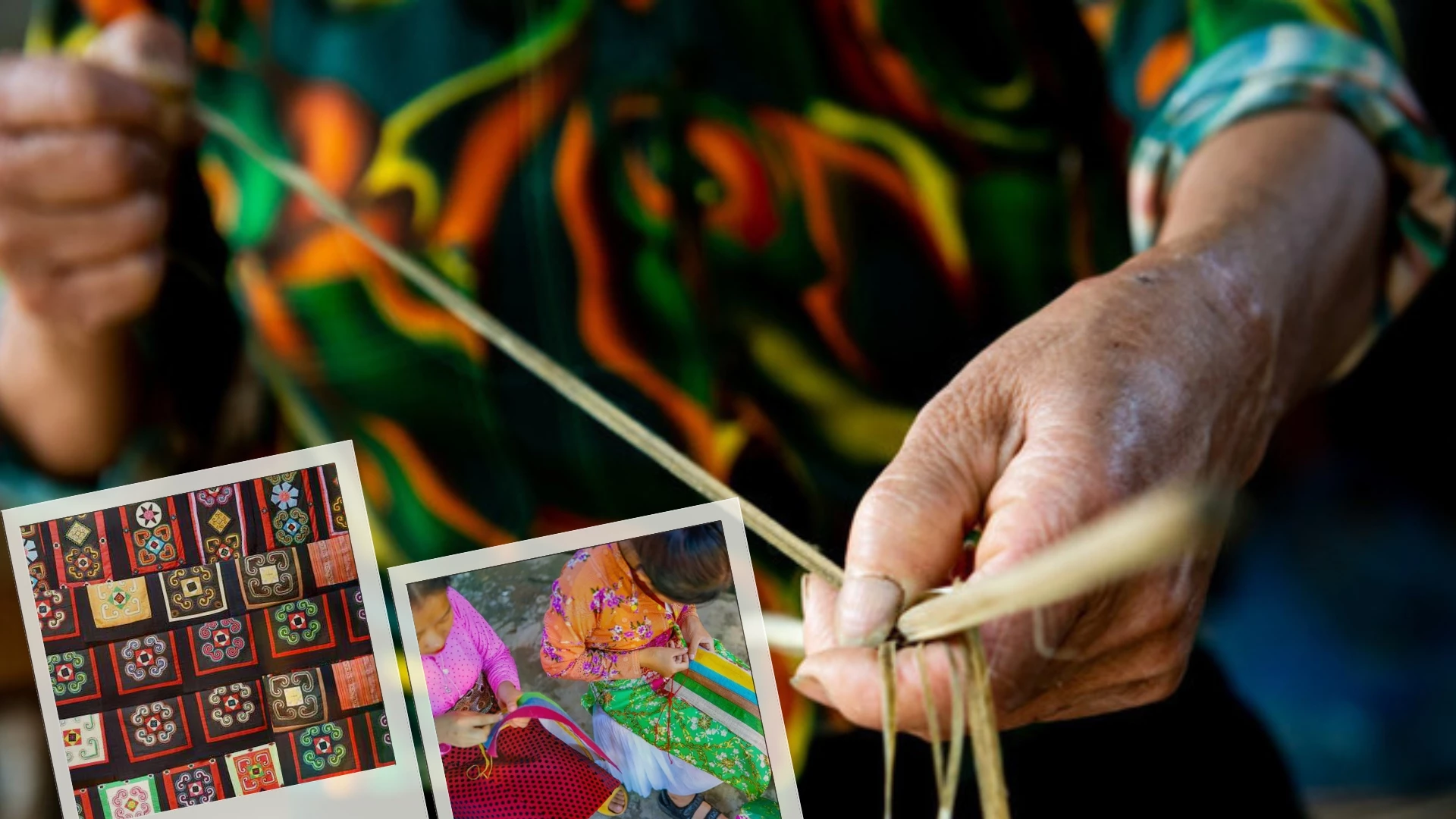 |
| Geometric patterns and spiral motifs serve as an artistic language depicting the universe, nature and aspirations for fertility and prosperity. |
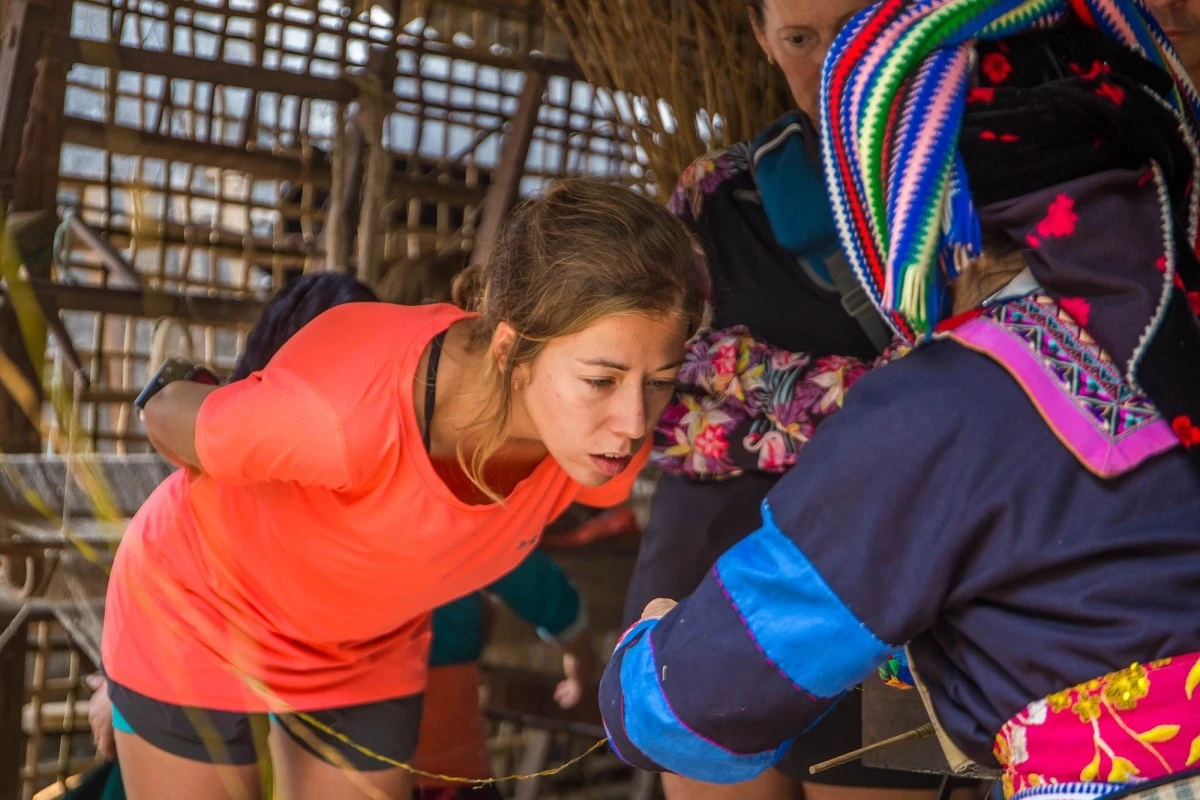 |
| Watching each stage of the process, Christine, a visitor from Canada, expressed her amazement and admiration. |
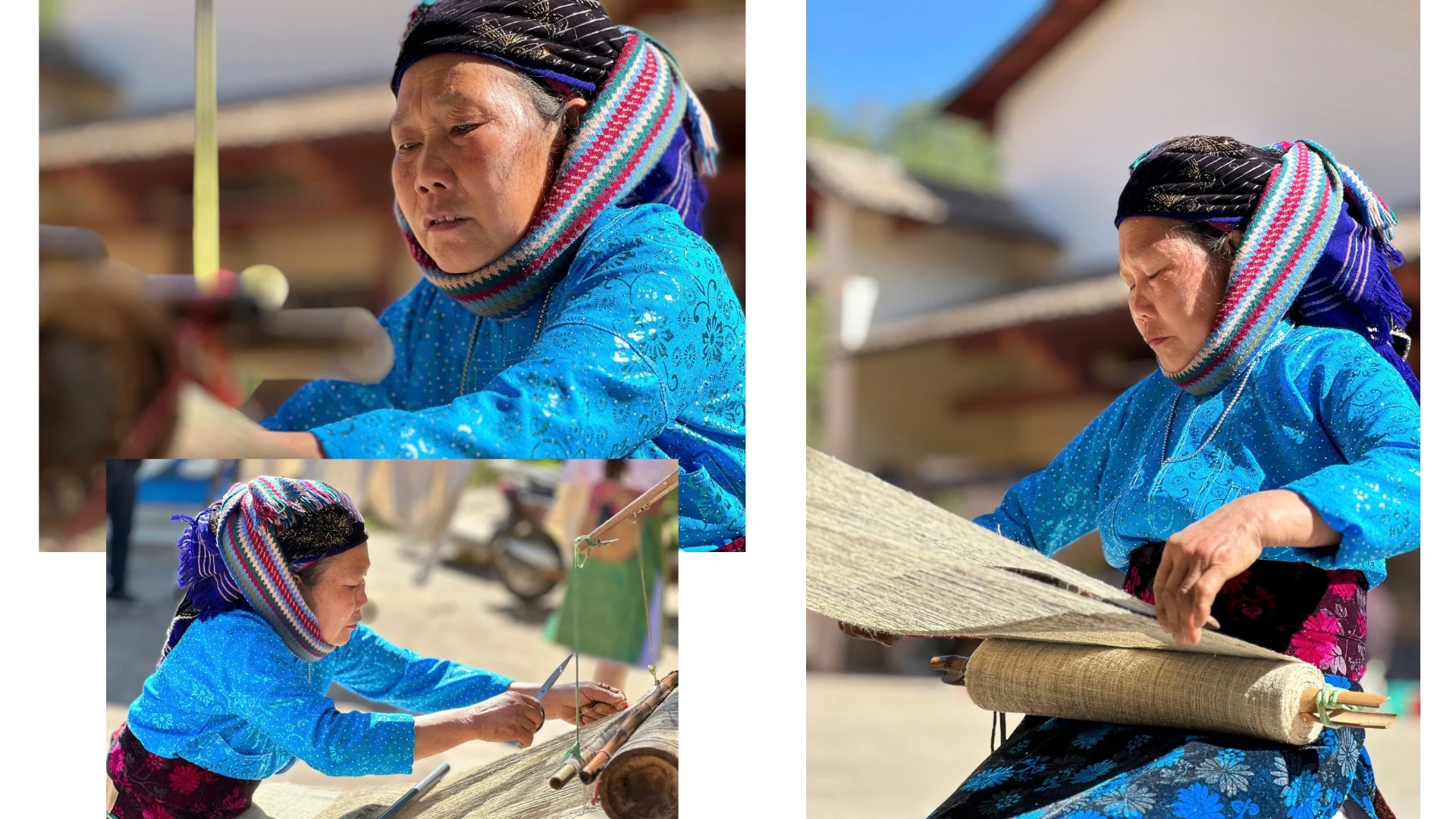 |
| A complete traditional outfit can take several months or even a year to make, as every stage is carried out by hand. |
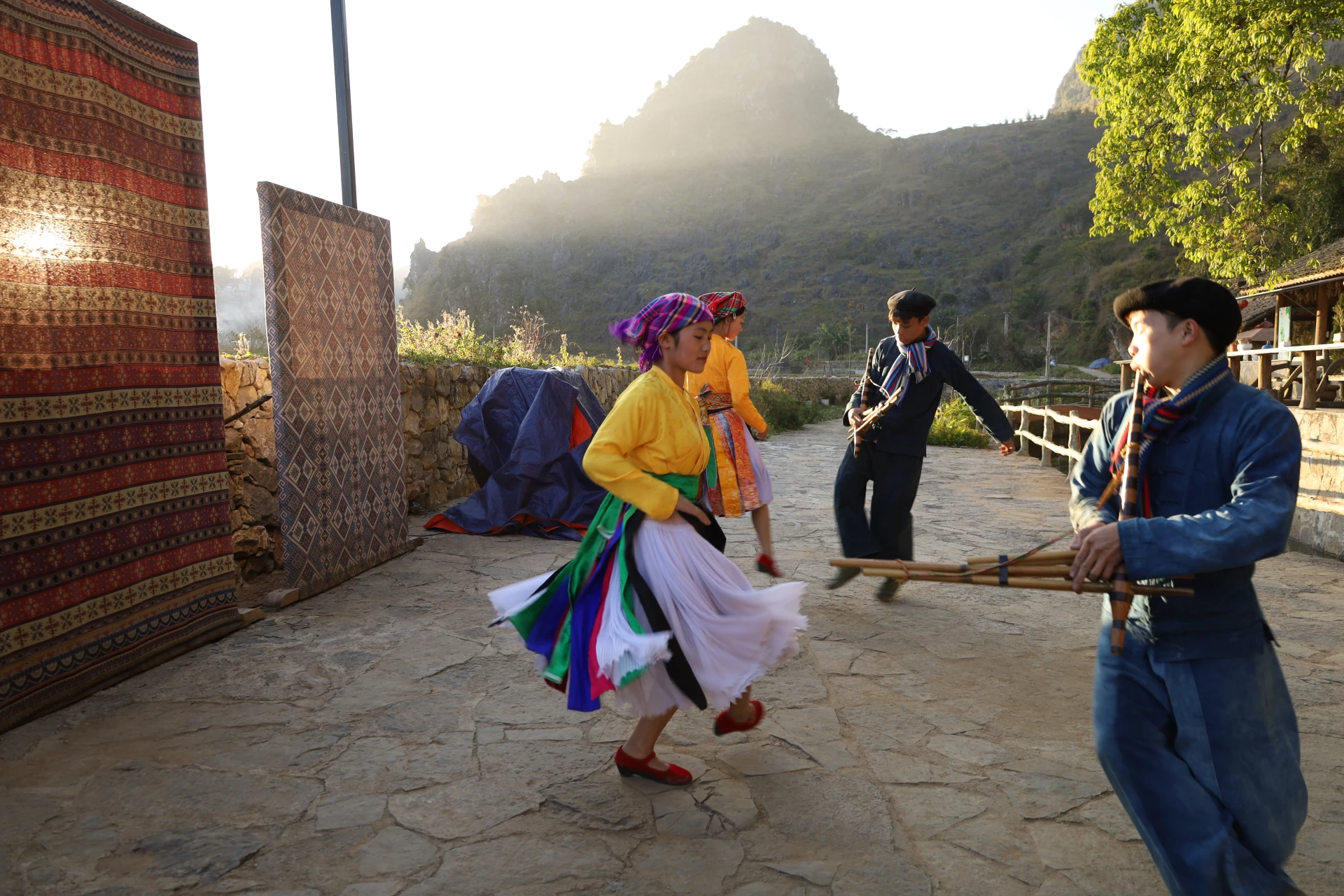 |
| Nevertheless, Hmong women in Dong Van remain determined to preserve their craft by establishing cooperatives. |
Thu Hang


READER COMMENTS