10:03, 02/10/2026
Despite profound social changes, the White-Trouser Dao people in Hung Duc Commune, Tuyen Quang Province, continue to preserve many valuable traditional customs and practices, particularly the Cap Sac ritual. This is an important rite of passage that marks the coming of age of Dao men and recognizes their maturity within the community.
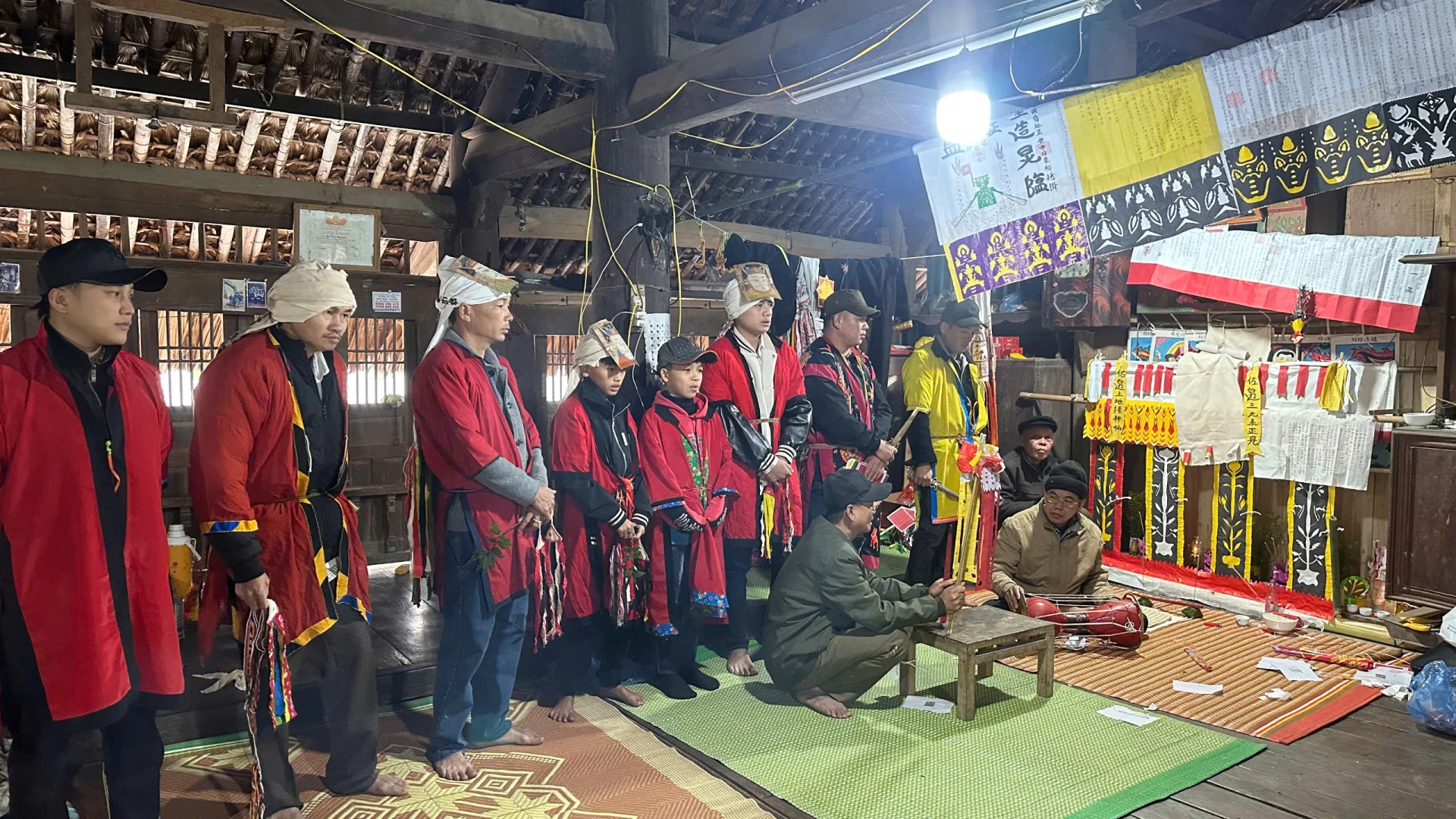 |
| The Cap Sac ritual is a rich combination of various forms of folk art and performance, including verbal art, ritual dances, traditional songs, altar decoration, patterns and motifs on traditional costumes, and folk music. |
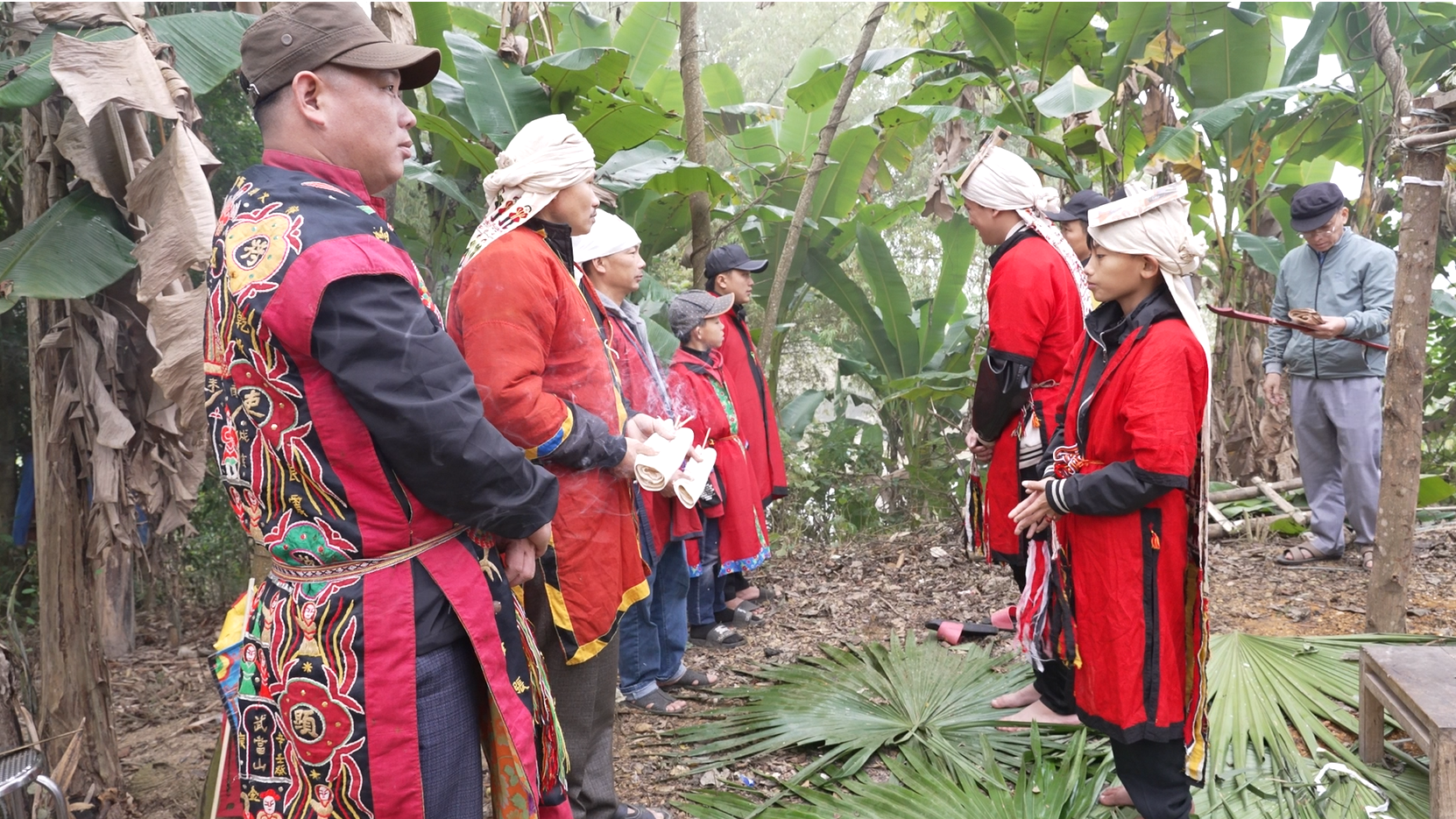 |
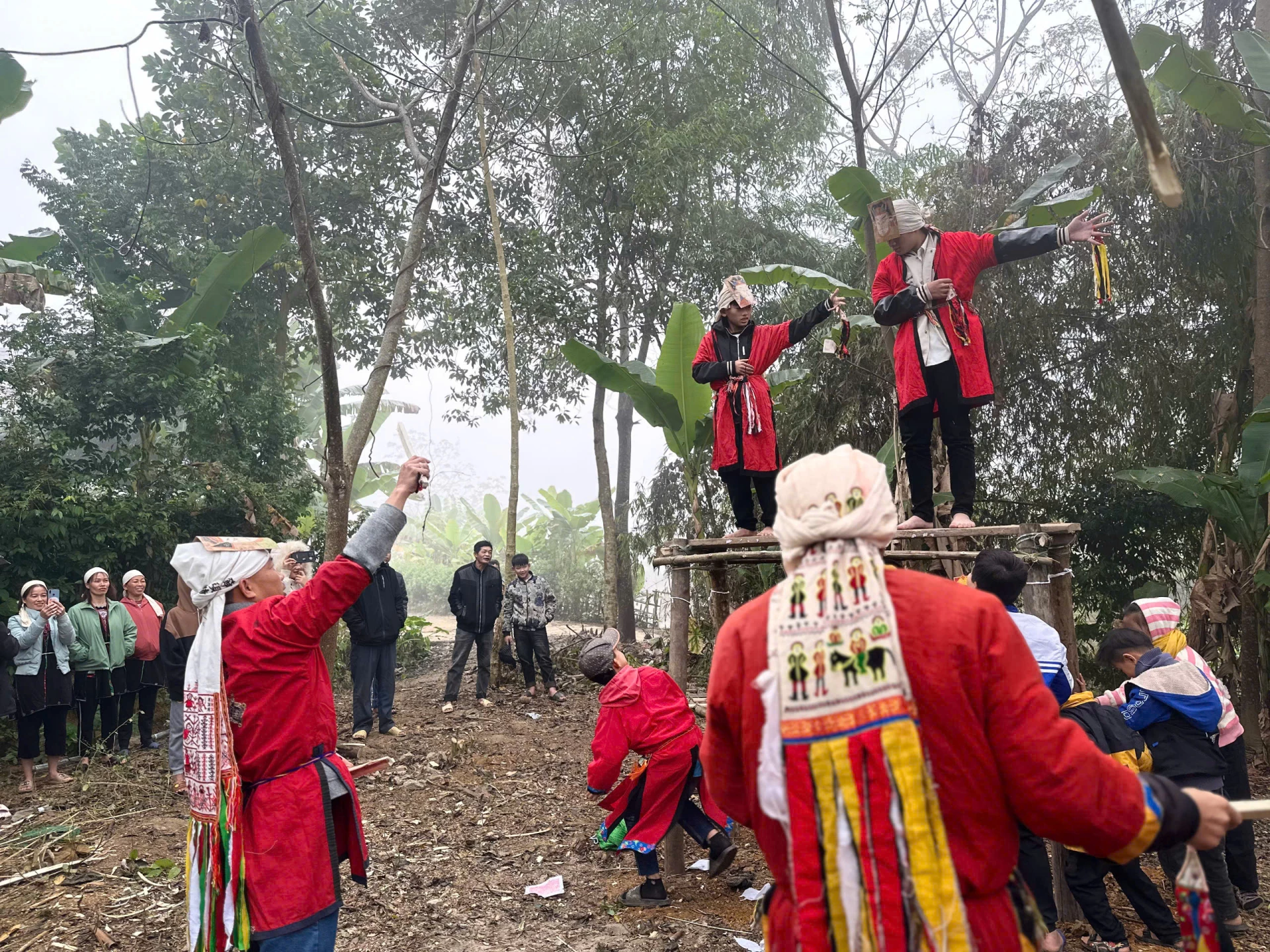
| The rituals are conducted at different times, locations and spaces. Some parts of the ritual take place during the day, while others are performed at night. |
 |
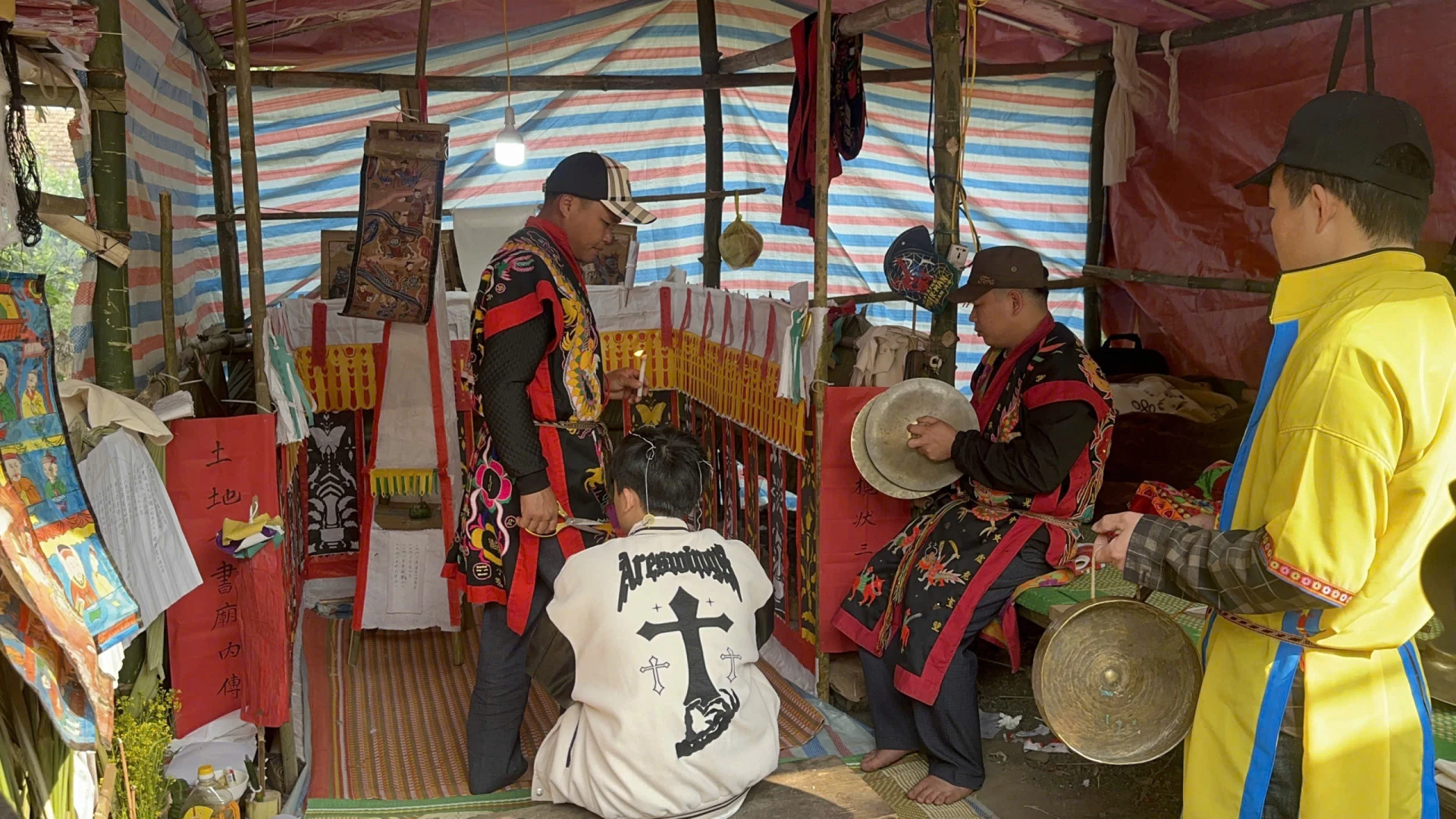
| The opening ritual, known as Khai Dan, marks the beginning of the Cap Sac ritual. The ritual involves seeking permission from and reporting to the ancestors about the family’s organization of the Cap Sac ritual, while praying for their blessings and protection to ensure that the rites proceed smoothly. |
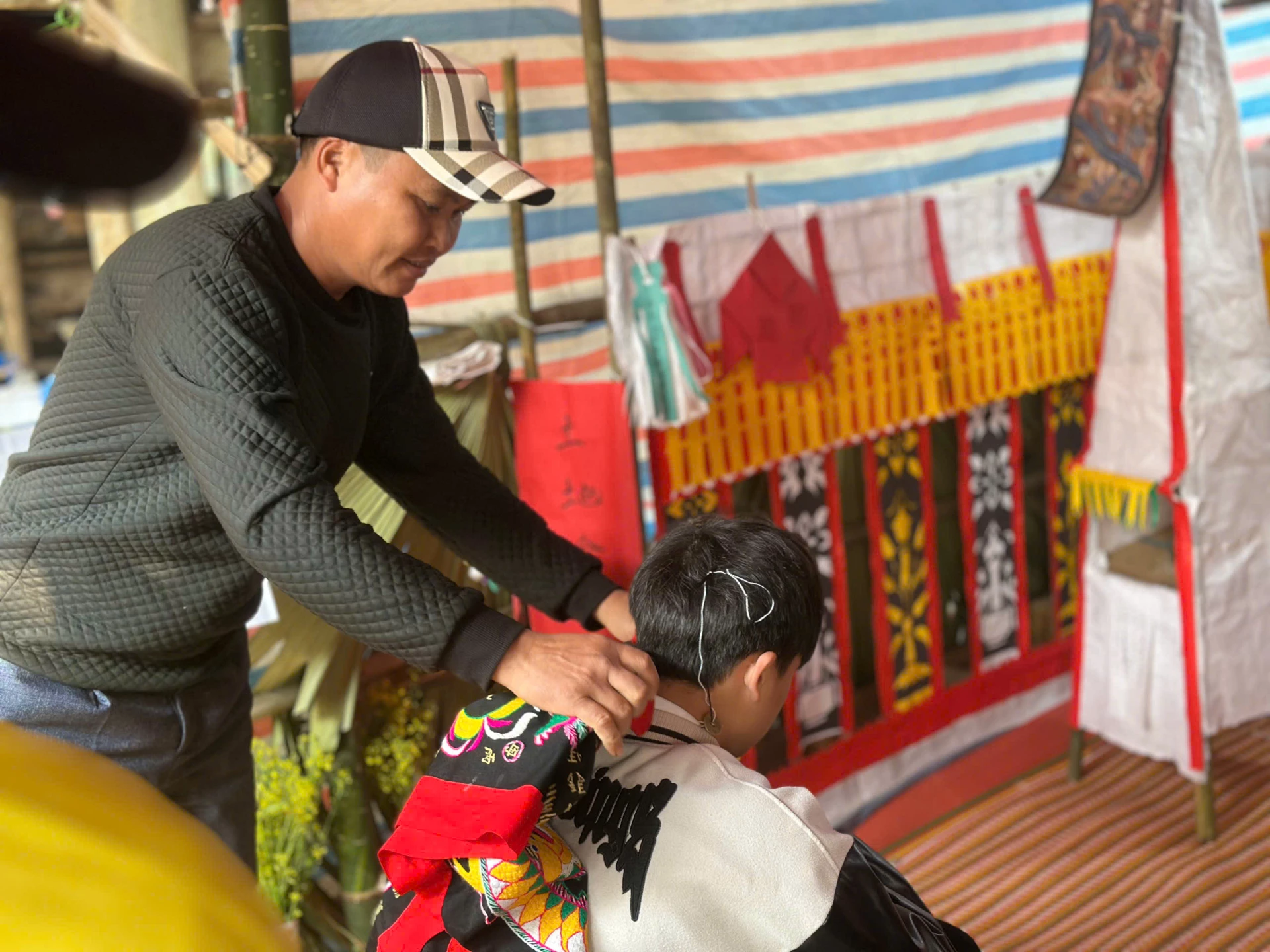 |
| The ritual master then gives the initiate a new spiritual name. From this point onward, the person who has undergone the Cap Sac ritual is recognized as having the right to participate fully in community activities. |
 |
| The lamp offering ceremony is the most important part of the Cap Sac ritual. The light of the lamps symbolizes guidance, illuminating the path for the initiate to follow what is good and righteous. This is followed by the Thuong Dan ceremony, through which the gods and deities are informed that the initiate has received the sacred lamps. |
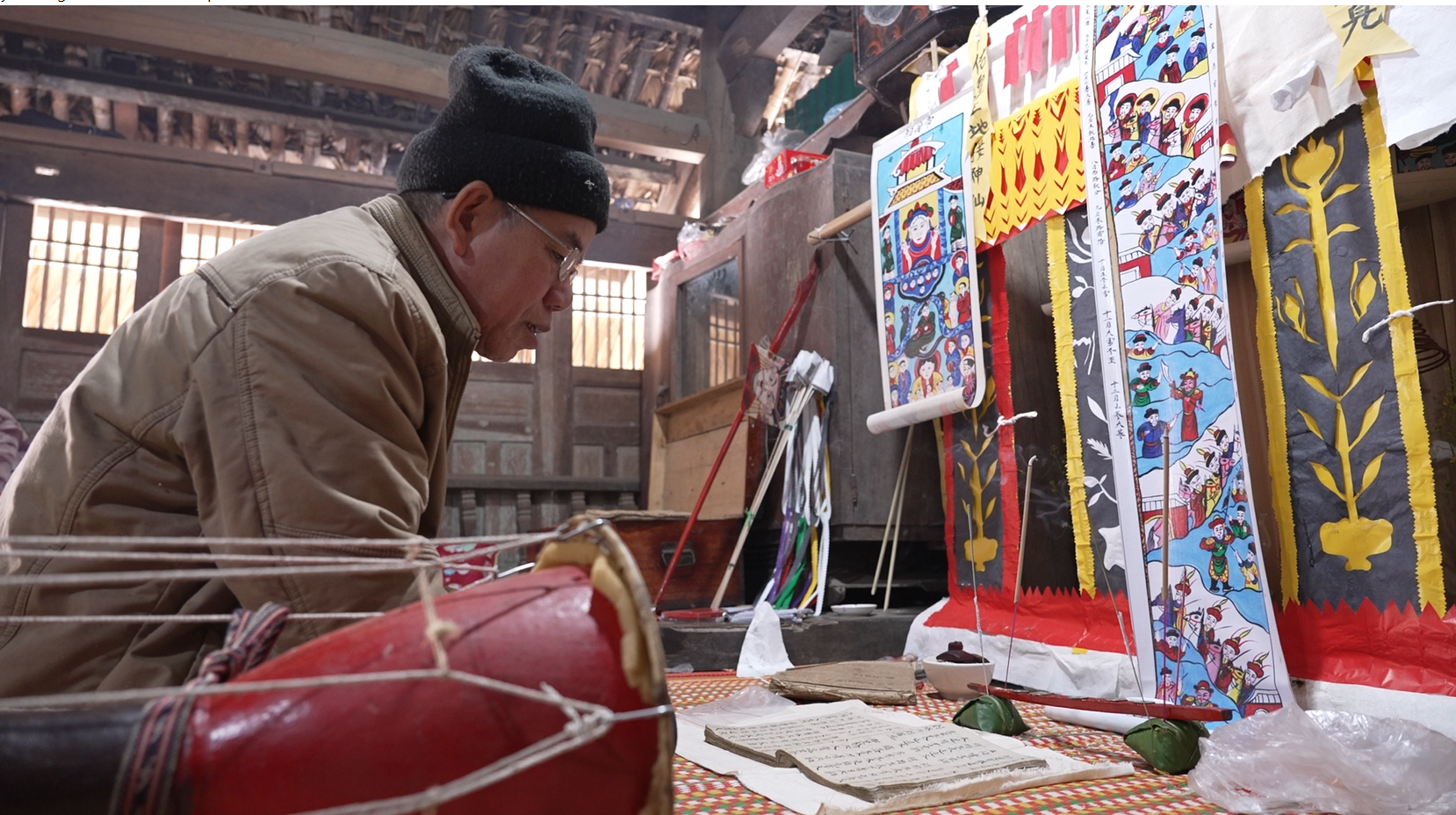 |
| The chief ritual master presides over the Cap Sac ritual while also guiding and coordinating the various ritual practices. |
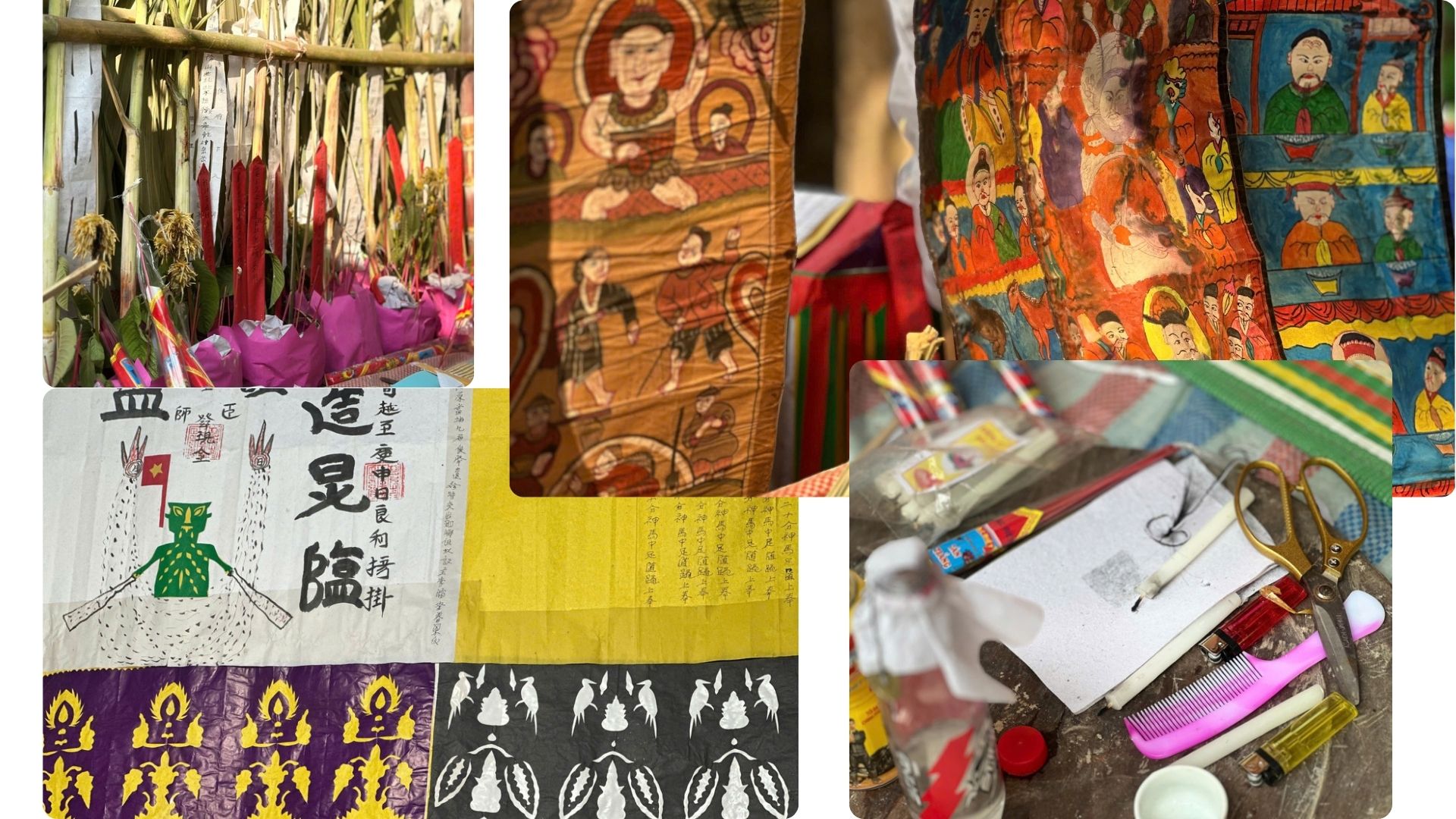 |
| Throughout the Cap Sac ritual, large and small paper paintings are used according to the specific content of each ritual. In Dao spiritual beliefs, after death, a person who has undergone the Cap Sac ritual will return to join the ancestors. The ritual master is also believed to transmit spiritual soldiers and magical powers to the initiate, giving them greater confidence and strength wherever they go and whatever they do. |
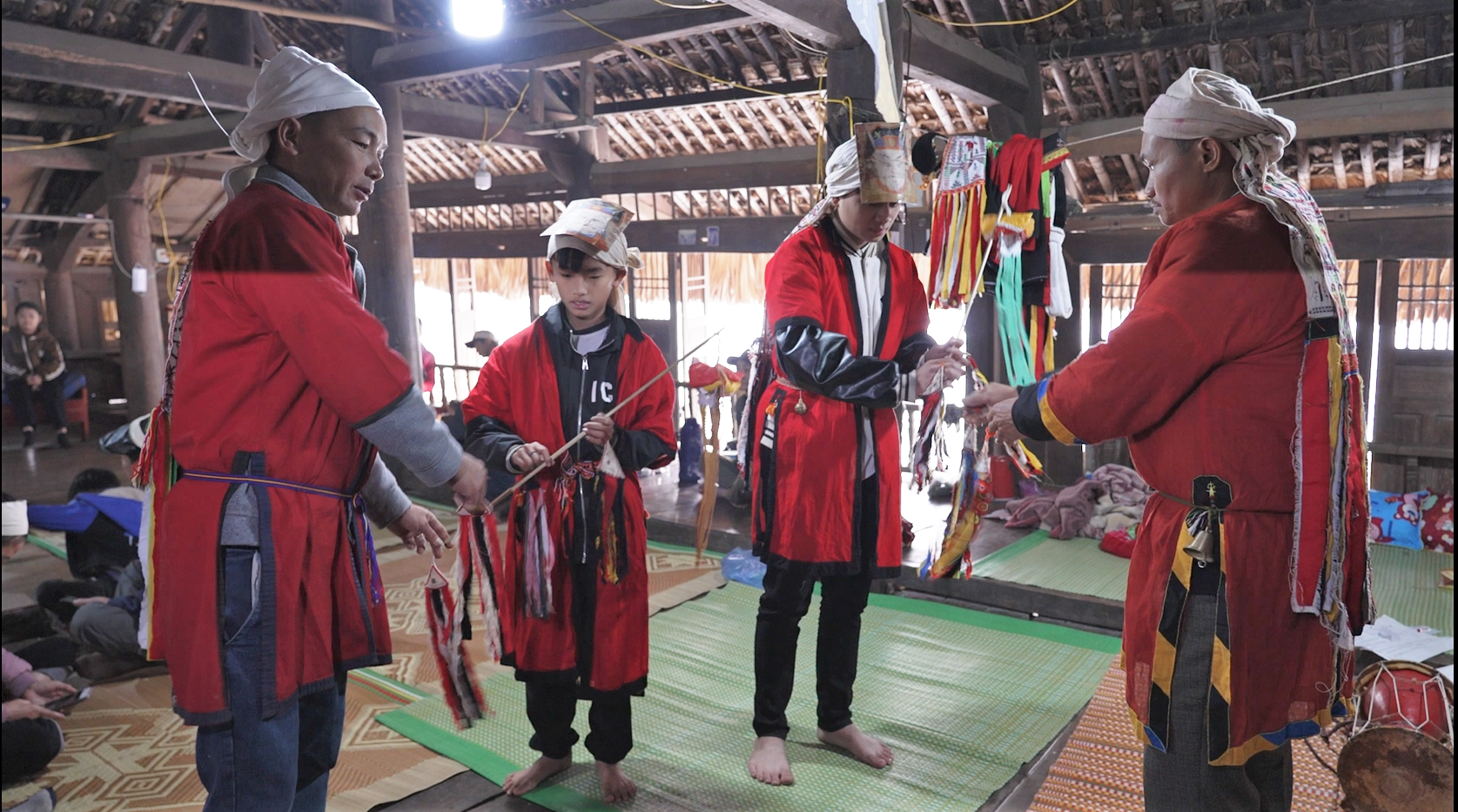 |
| Alongside the rituals, the initiate performs traditional dances, which are considered the most joyful part of the Cap Sac ritual. Through these dances, the Dao people pray to Ban Vuong, their legendary ancestor, for blessings and peace for their families and villages, good health for everyone, and bountiful harvests. |
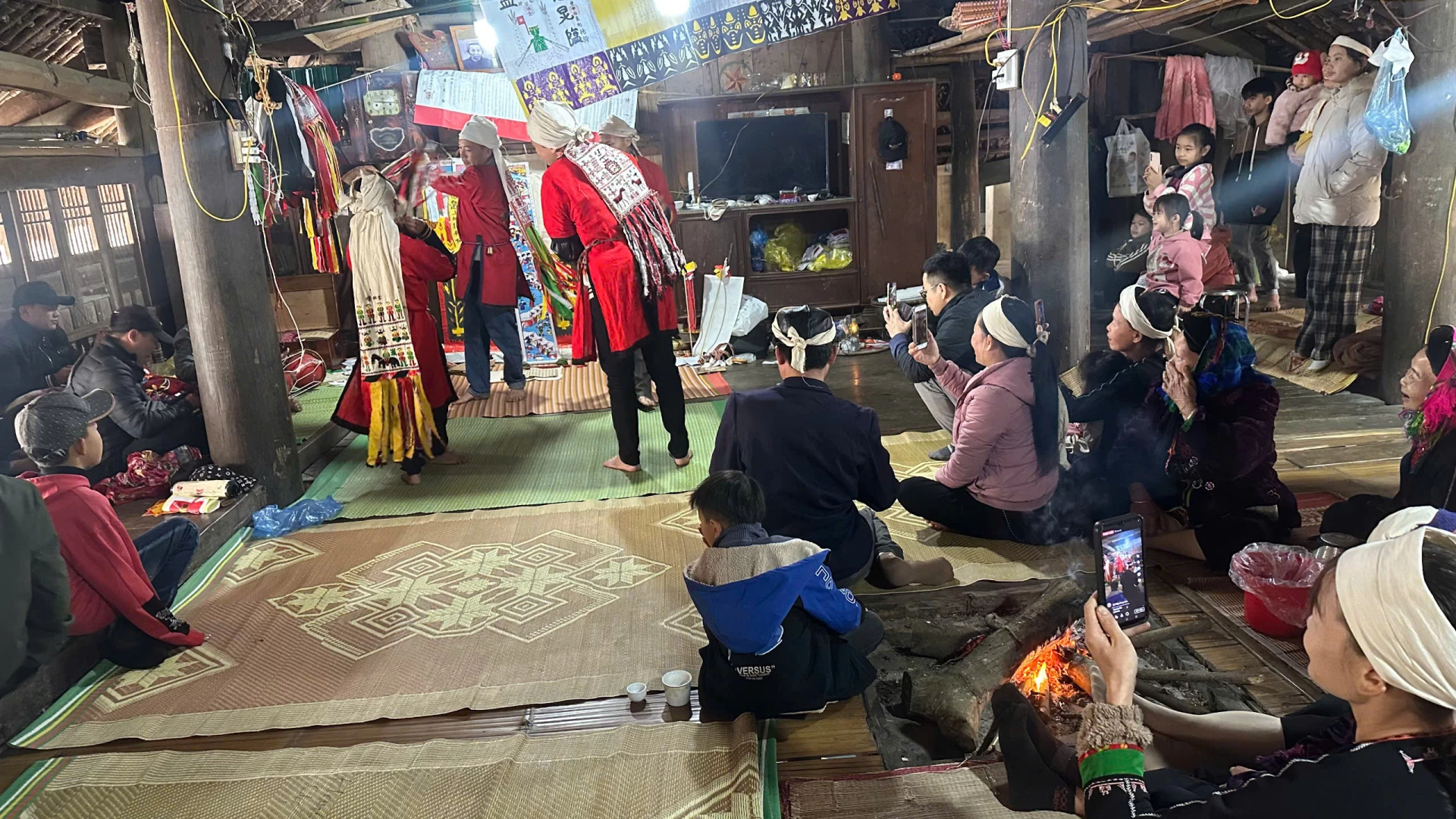 |
| Whenever a Cap Sac ritual is held, villagers come together to help the host family prepare and conduct the rituals. The Cap Sac ritual serves as an important bridge that strengthens solidarity, mutual support and community bonds among family members and villagers. |
Thu Hang



READER COMMENTS