11:10, 19/06/2026
The Hmong flute (khen) - a traditional musical instrument deeply intertwined with the cultural life of the Hmong people - has long been regarded as a symbol of identity in the Dong Van Karst Plateau. In Ta Co Van Hamlet, Lung Phin Commune, home to the first Hmong flute-making craft village, artisans continue to dedicate themselves to preserving the craft through meticulous workmanship. Beyond producing the distinctive melodies of the mountains, each flute carries a story of cultural inheritance, local livelihoods, and the ongoing efforts to safeguard a traditional occupation amid the changes of modern life.
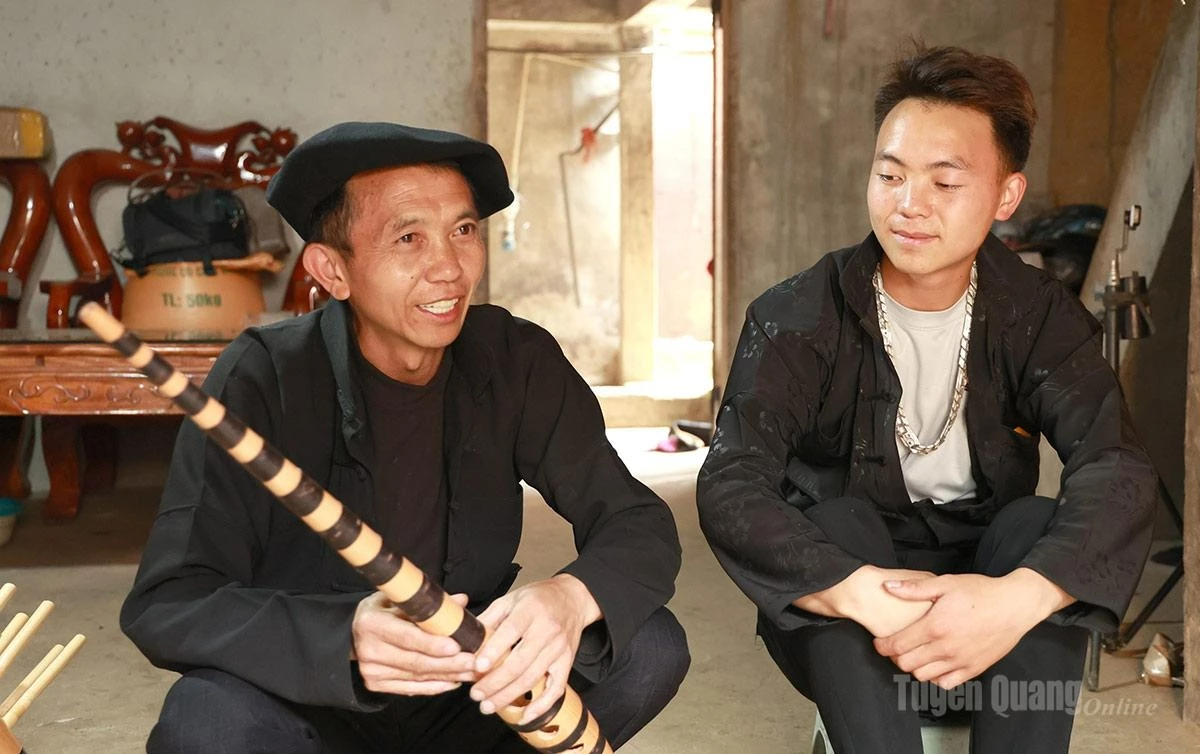 |
| Giang No Gia (left) and his son, Giang Mi No, are among the craftsmen making Hmong flutes in the village. Having practiced the craft since his youth, Gia passed down the flute-making techniques to his son. Together, they have spent the past 23 years steadfastly keeping the tradition alive. |
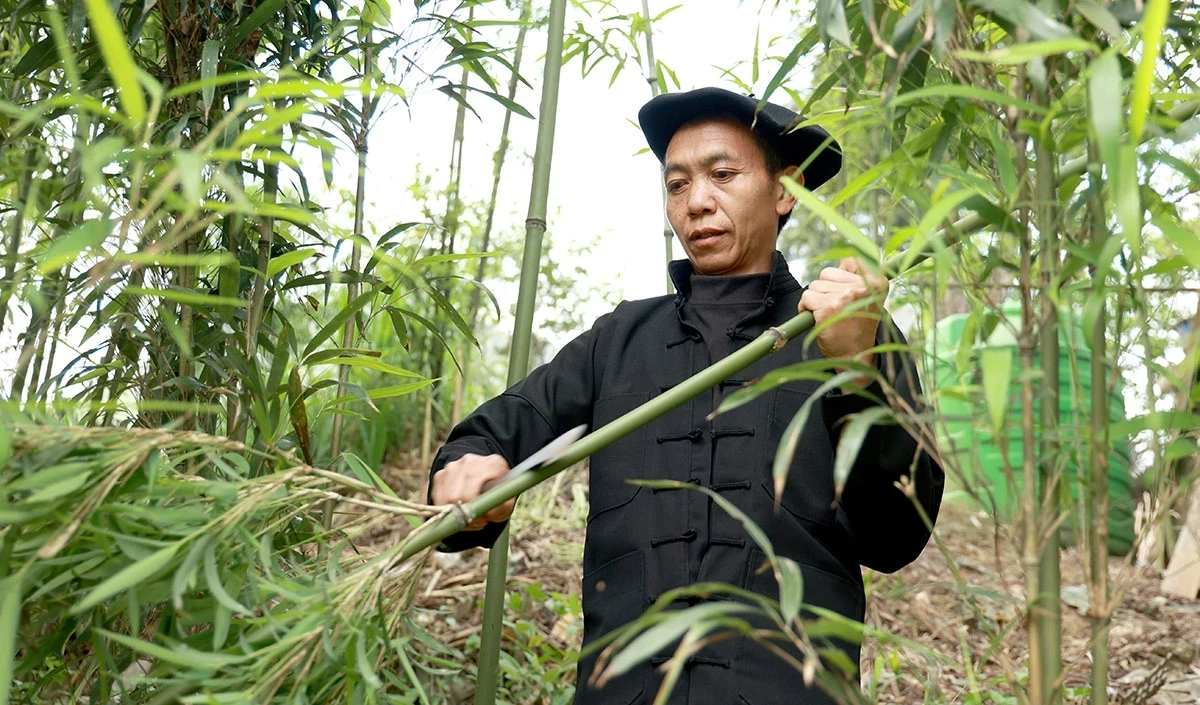 |
| The first step in making a Hmong flute is selecting and harvesting suitable bamboo. Artisans must carefully choose straight bamboo stalks with the appropriate thickness and dimensions to form the instrument’s pipes. |
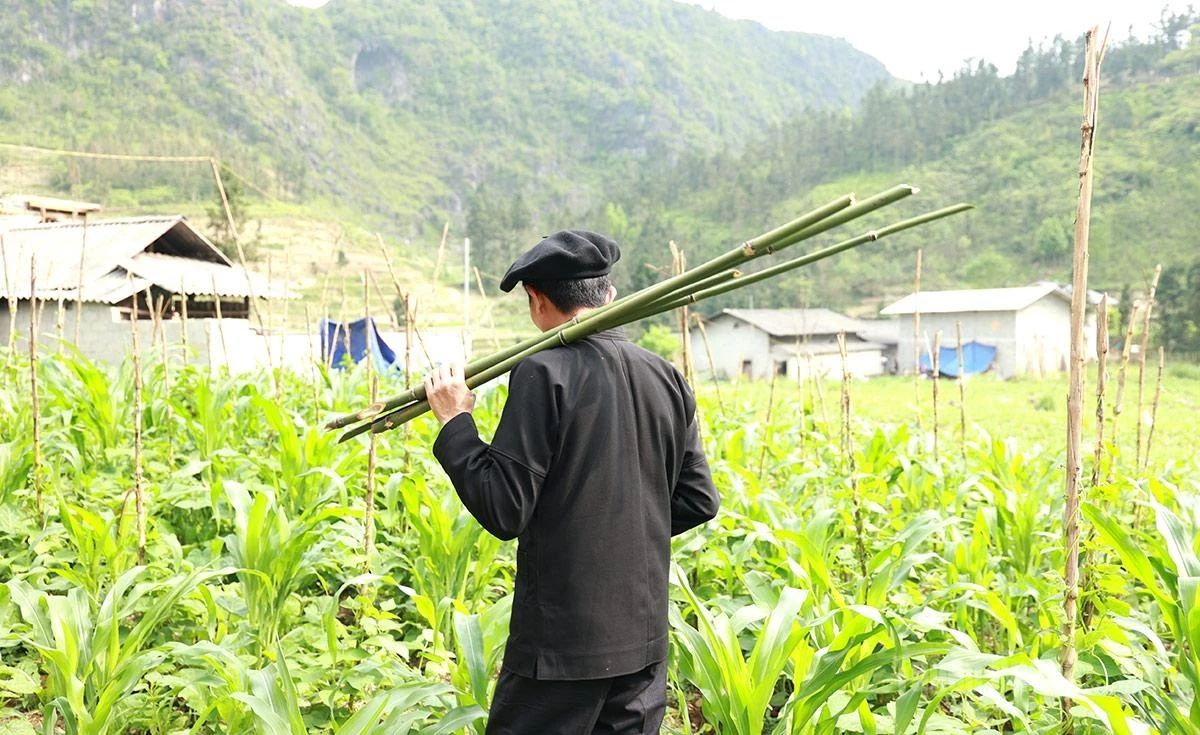 |
| The bamboo grove located behind Giang No Gia’s house enables the family to secure part of the raw materials needed for crafting Hmong flutes. |
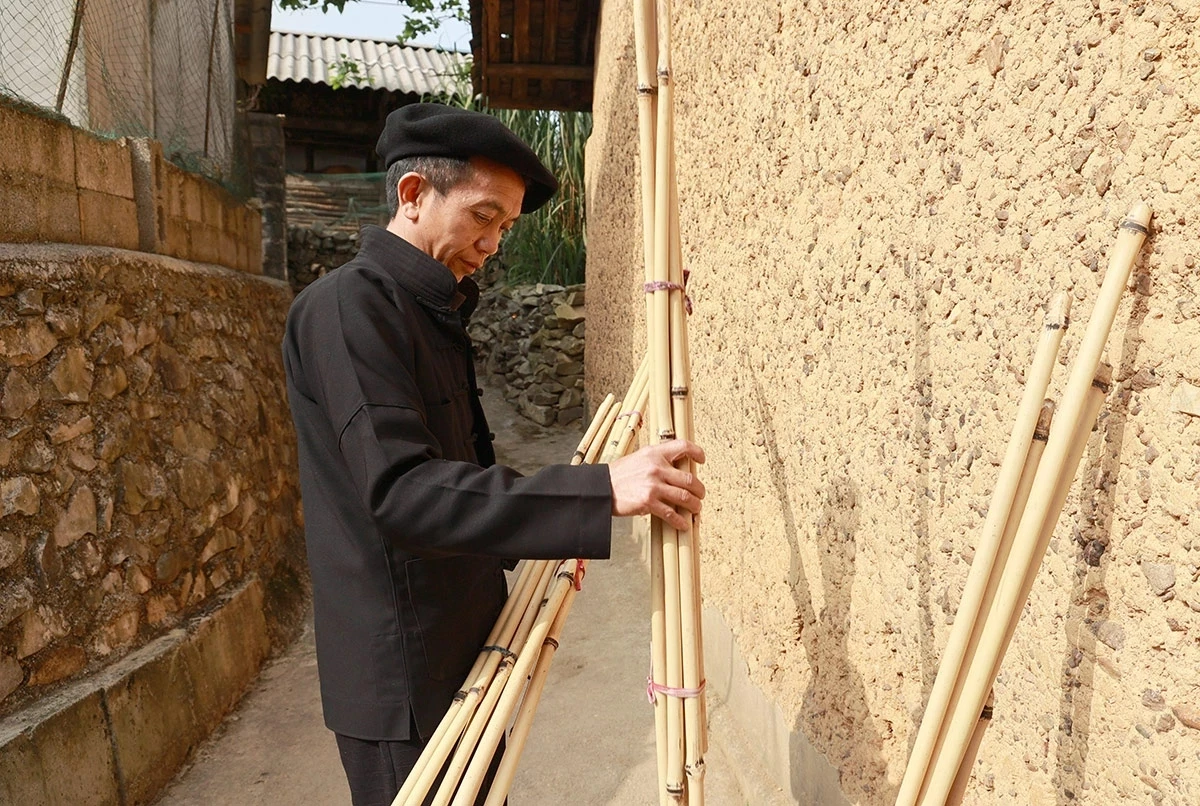 |
| After being harvested, the bamboo is dried before holes are drilled and the pipes are assembled with the flute chamber. In addition to bamboo, Hmong flutes can also be made from other materials such as stone pine and wild peach wood. |
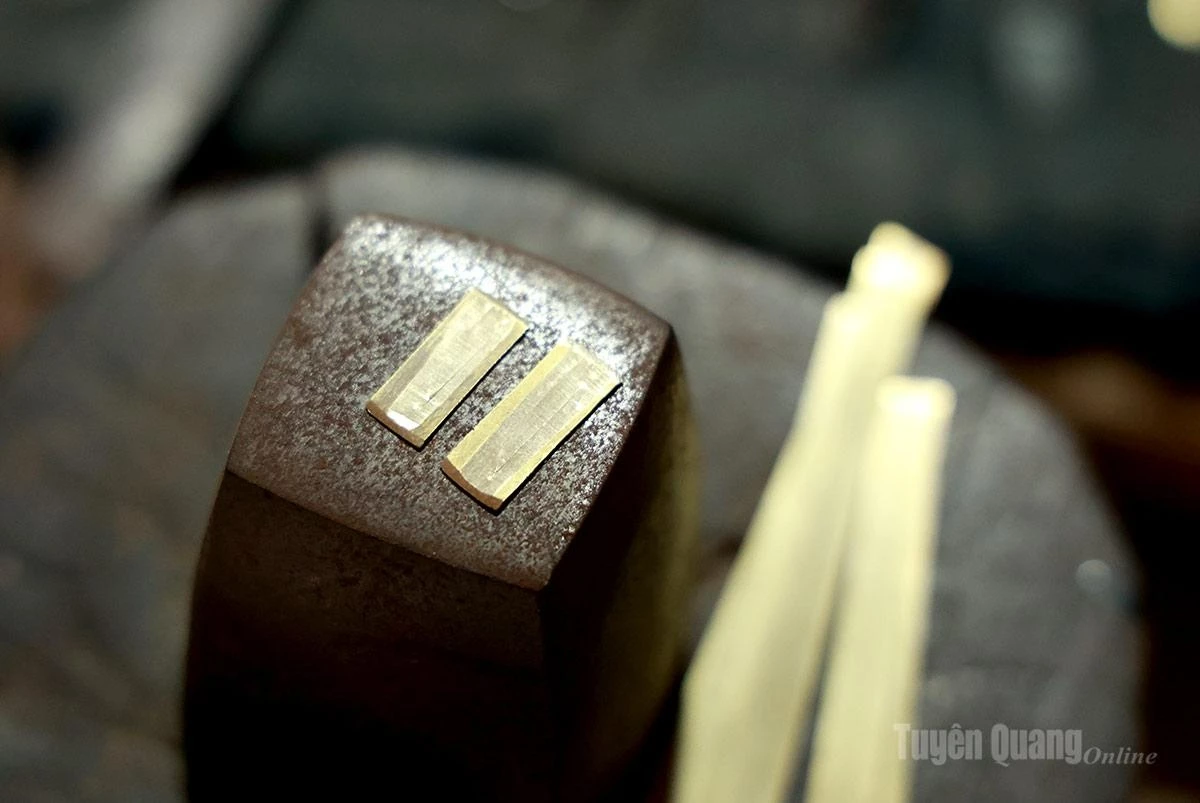 |
| The brass reed is the most crucial component, determining the sound quality of the Hmong flute. Even the slightest error during forging, filing, or installation can cause the instrument to go out of tune or lose its resonance. As a result, this component requires meticulous craftsmanship, extensive experience, and a highly trained ear. |
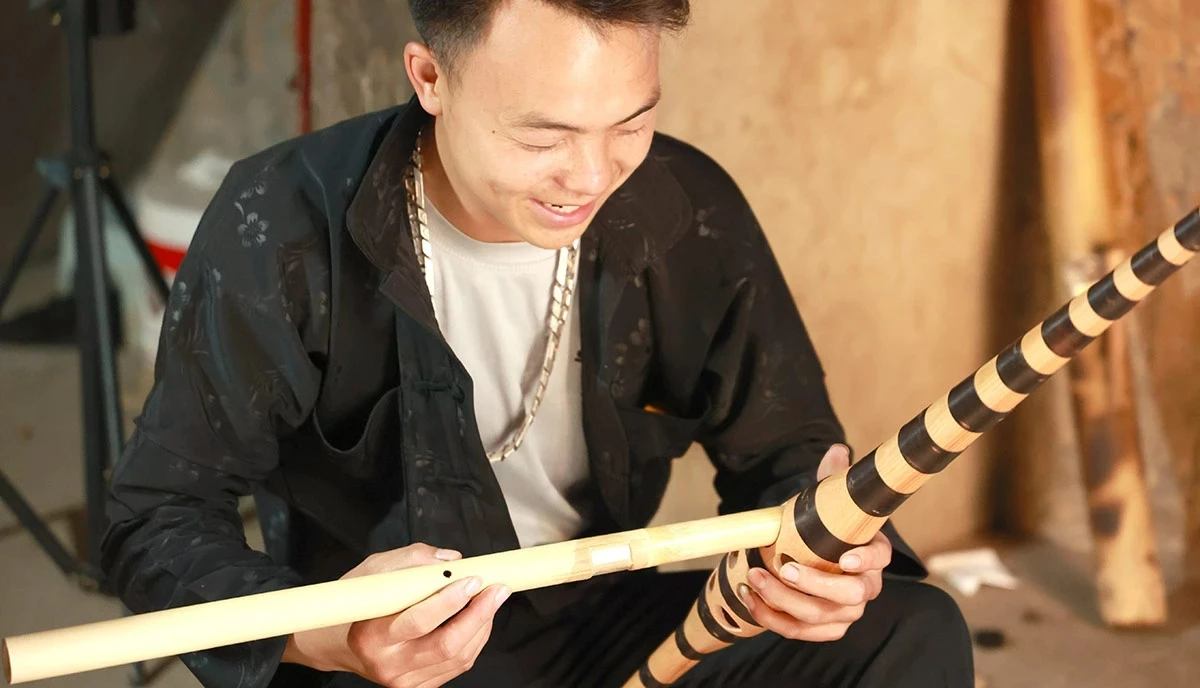 |
| Once the brass reeds are attached, the bamboo pipes are inserted into the flute chamber and carefully adjusted to achieve tonal harmony. The position of each pipe directly affects the instrument’s resonance, pitch, and overall sound quality. |
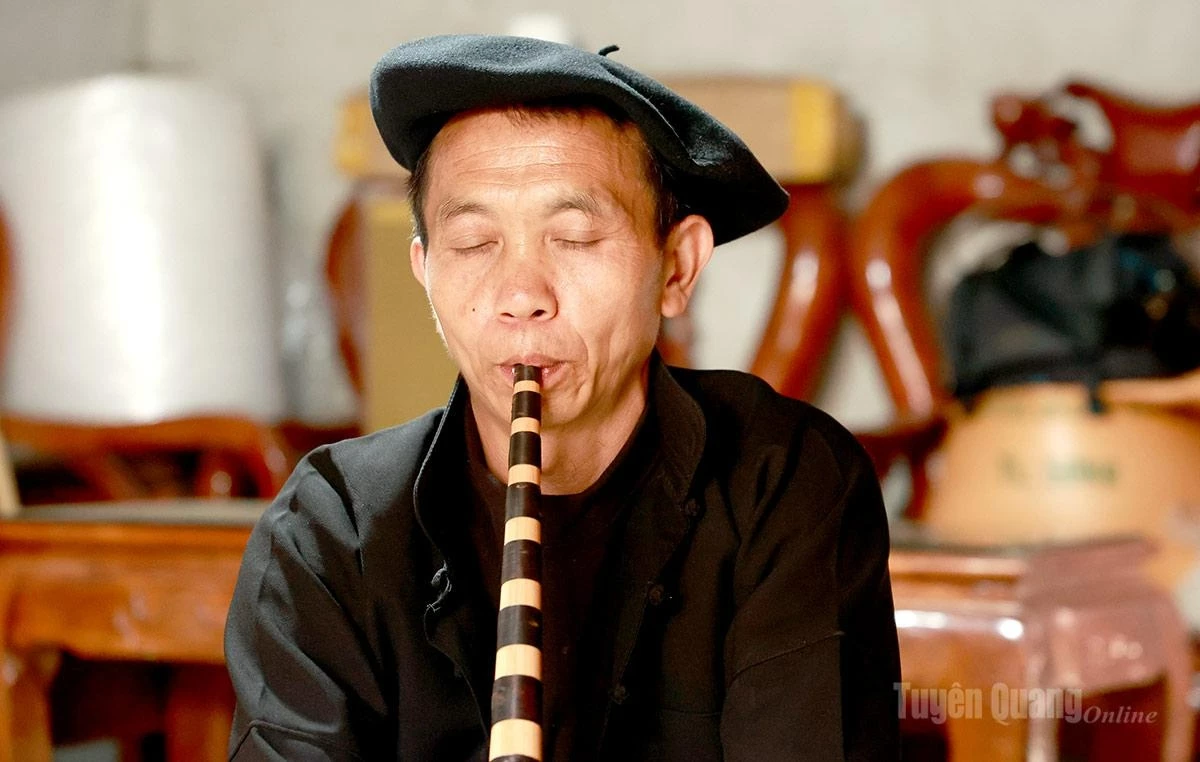 |
| Throughout the production process, artisans repeatedly test the flute by playing it to assess and refine its sound. Each trial allows them to listen closely and make adjustments to the reeds and bamboo pipes until the instrument produces a clear, resonant, and accurate tone before completion. |
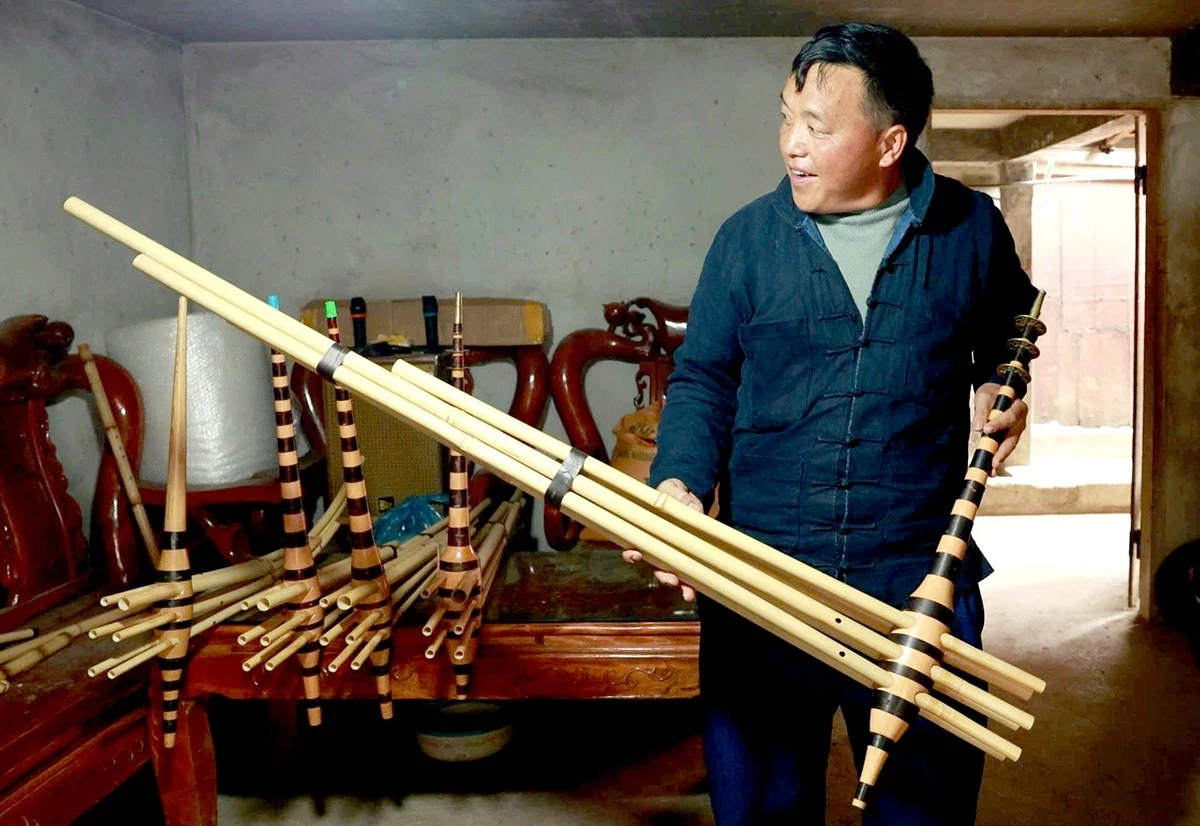 |
| A finished Hmong flute sells for between VND 2 million and VND 3 million. Larger instruments or specially crafted pieces can fetch between VND 5 million and VND 6 million. |
 |
| As a representative of the younger generation carrying on the family tradition, Giang Mi No not only preserves traditional flute-making techniques but also embraces digital platforms to promote the craft. Through livestreams on social media, he showcases the production process and introduces Hmong flutes to customers across Vietnam and even overseas markets, creating new opportunities for the traditional craft village. |
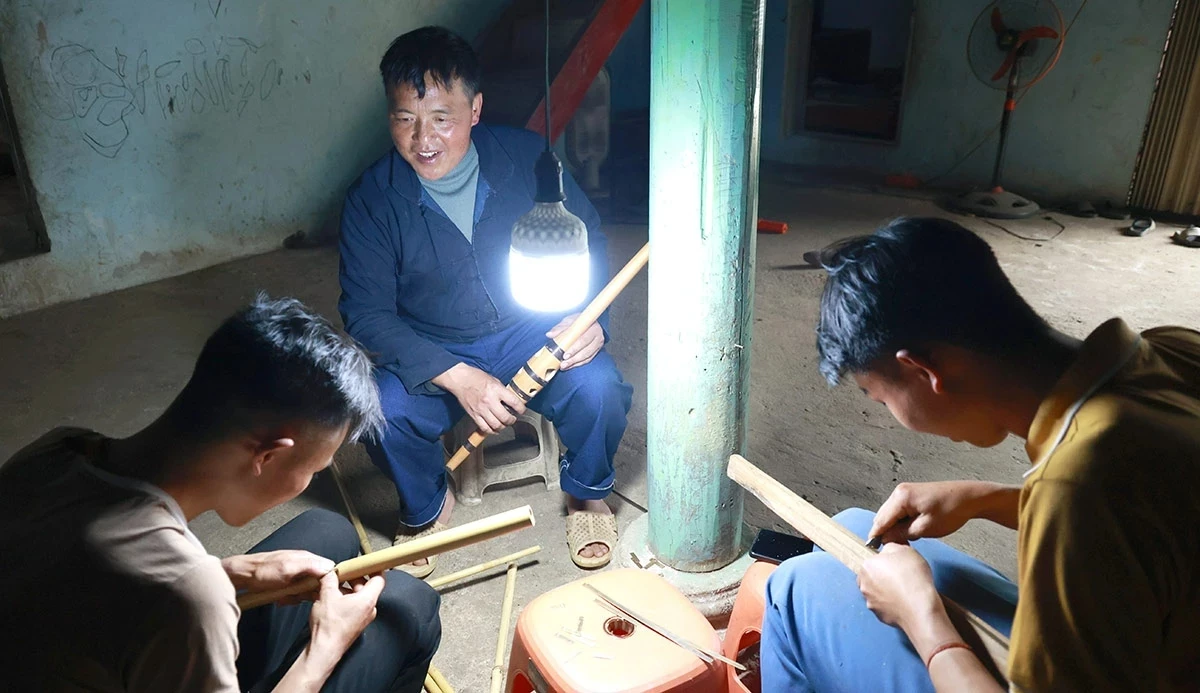 |
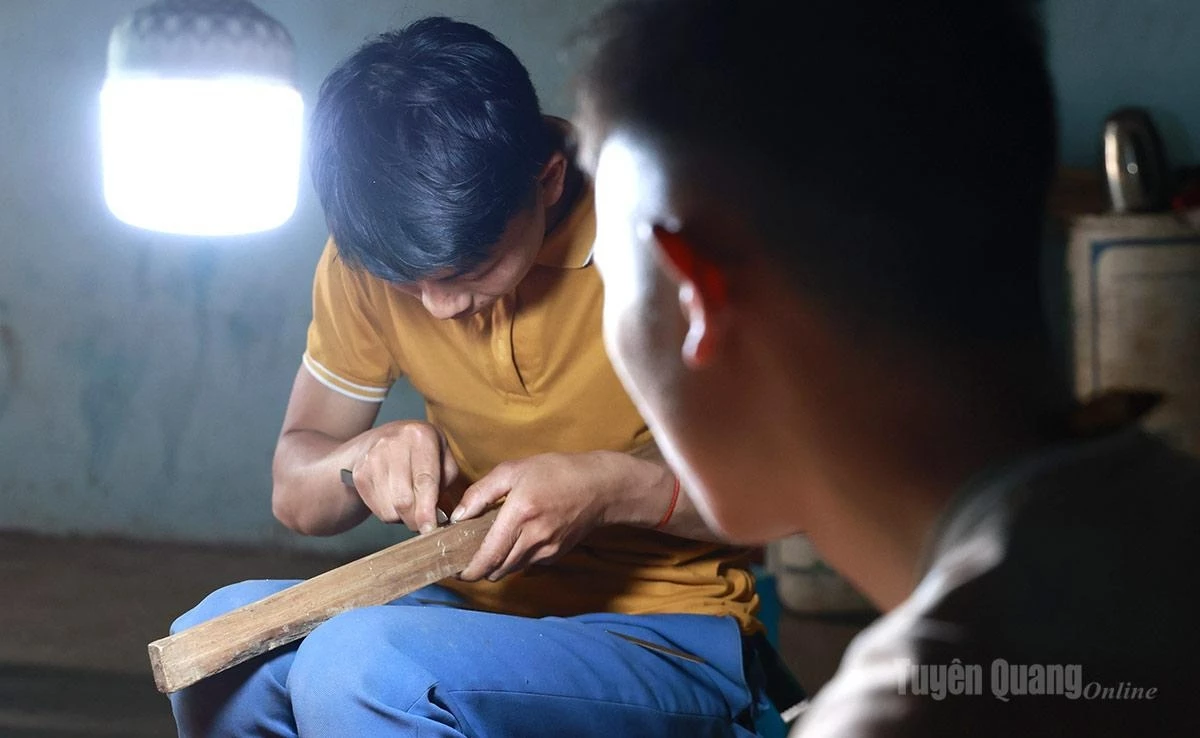
| To ensure the sound of the Hmong flute continues to resonate for future generations, training young successors has become a key priority for the local community. In the photo, village head Mua Mi Lu is guiding two young villagers through the steps involved in crafting a Hmong flute. |
 |
| With timely support policies from local authorities, the Hmong flute-making craft in Lung Phin is gaining renewed momentum for preservation and development. Efforts to pass on skills to younger generations, build a recognizable brand, promote products, and connect the craft with community-based tourism are opening new pathways for the village. These initiatives also help ensure that the sound of the Hmong flute continues to echo across the mountains, serving as a bridge that preserves cultural identity amid modern life. |
Minh Chau



READER COMMENTS