11:03, 27/07/2026
Amid the pace of modern life, where many traditional crafts are gradually fading away, more than a dozen households in Linh Ho Commune continue to preserve the Tay people's handmade incense-making craft. More than a source of livelihood, each stick of incense embodies cultural values passed down through generations. Bundles of 50–60 incense sticks are sold for around VND 10,000 at local markets, meeting the demand for ancestral worship during festivals, the Lunar New Year and funeral ceremonies.
With the arrival of the sunny season, courtyards are covered with rows of bright red incense sticks drying in the sun, while the gentle fragrance of forest herbs fills the air. Together, they create a peaceful rural scene where diligent hands continue to keep a traditional craft alive, not only through skillful workmanship but also through love and pride in their ethnic heritage.
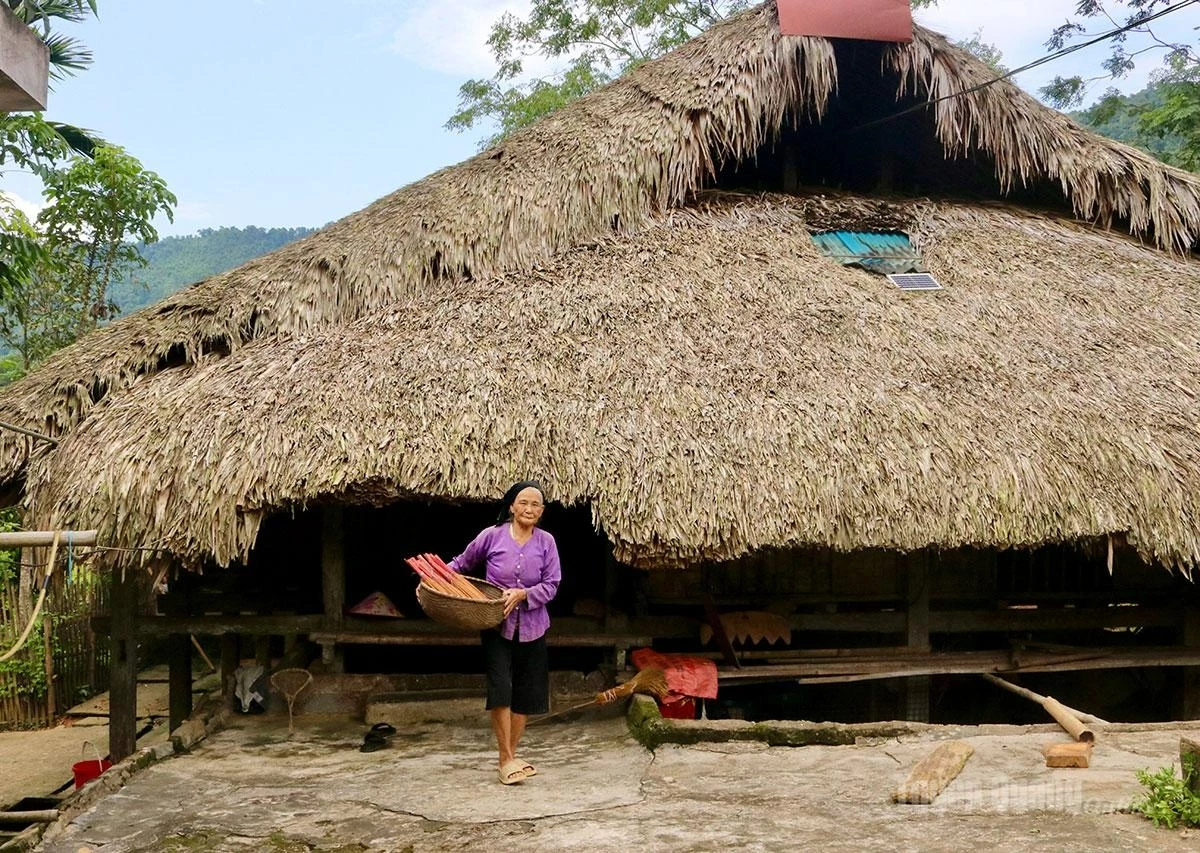 |
| A traditional stilt house of the Tay people in Linh Ho Commune, where the incense-making craft has been preserved and passed down through generations. |
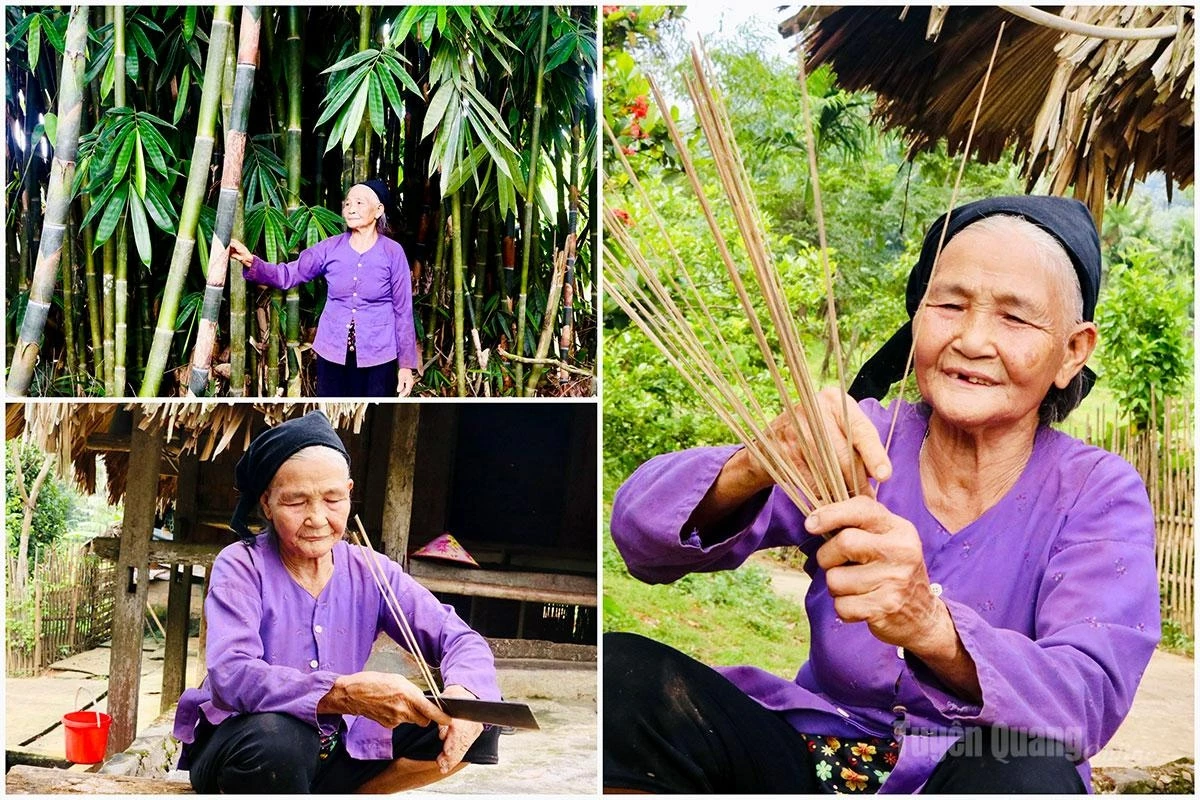 |
| To make incense sticks, Ha Thi Nu, 78, and other villagers select long-internode bamboo and vầu bamboo. The bamboo is soaked in ponds for several months, dried in the sun, and then split into sticks measuring 40–50 cm in length. |
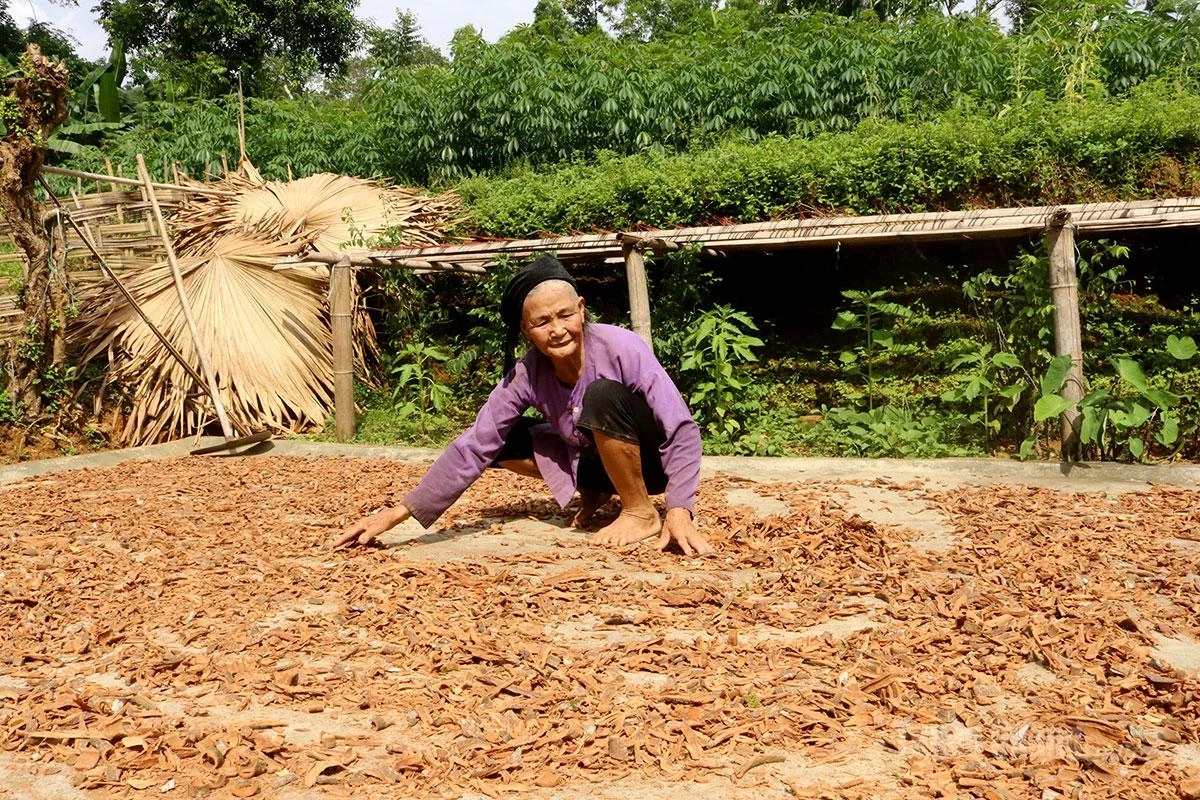 |
| The incense powder used by the Tay people in Linh Ho Commune is made from cinnamon bark and the bark of forest vines. After being collected from the forest, the bark is chopped into small pieces and dried. |
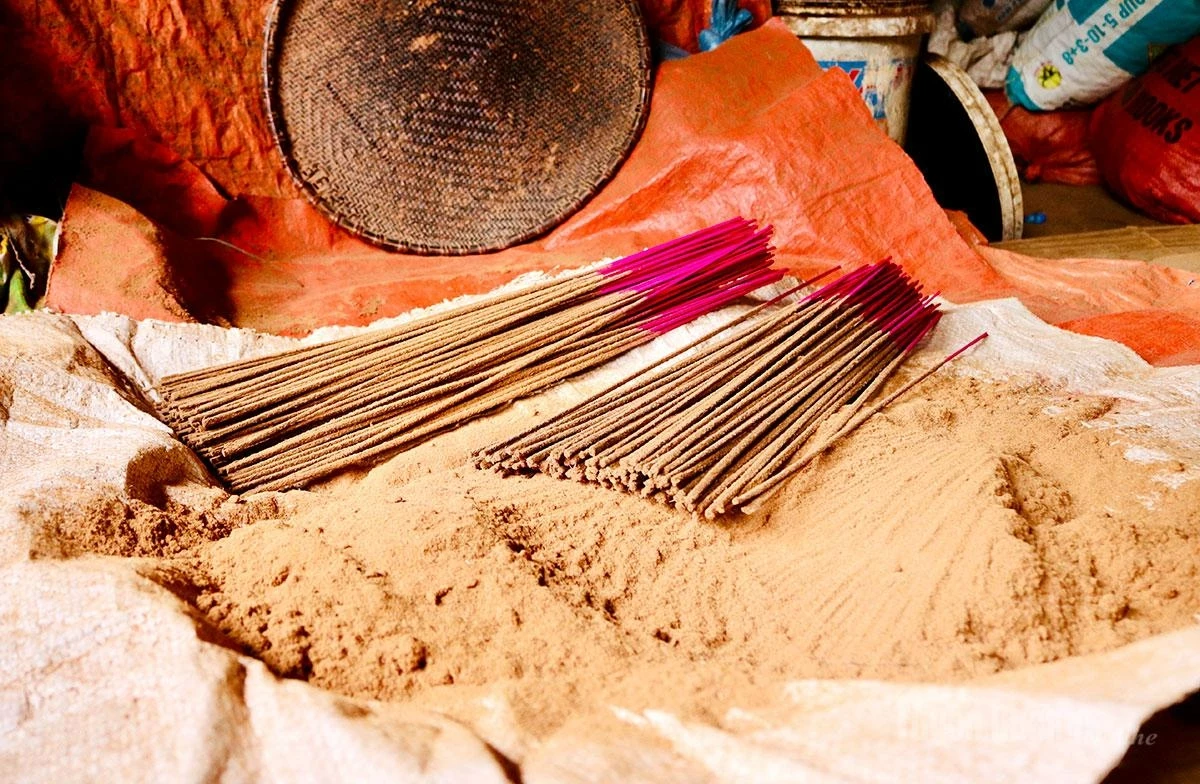 |
| Once dried, the bark is ground into fine powder and mixed according to a specific formula to ensure both proper adhesion and a pleasant fragrance. |
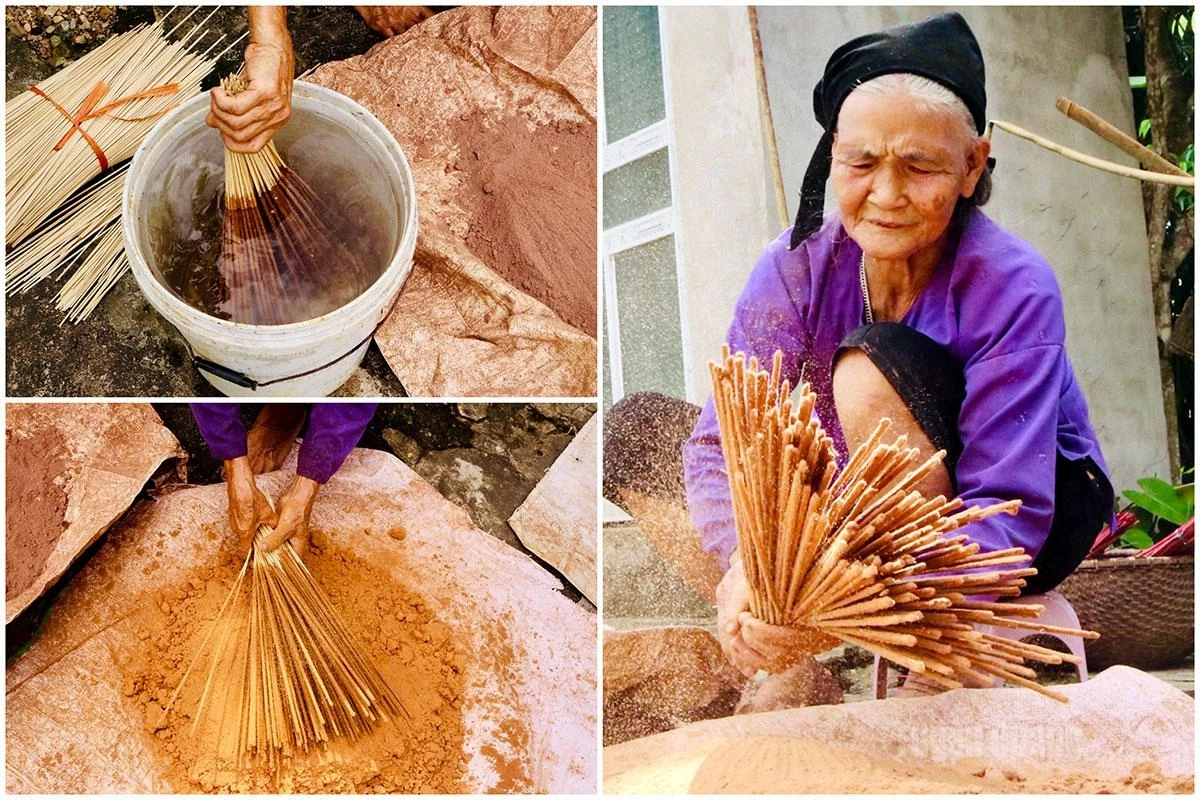 |
| To coat the incense, people first dip the bamboo stick into a bucket of water, then roll it repeatedly over the prepared herbal powder. The stick is dipped into the water again and rolled several more times until the incense reaches the thickness of a chopstick. |
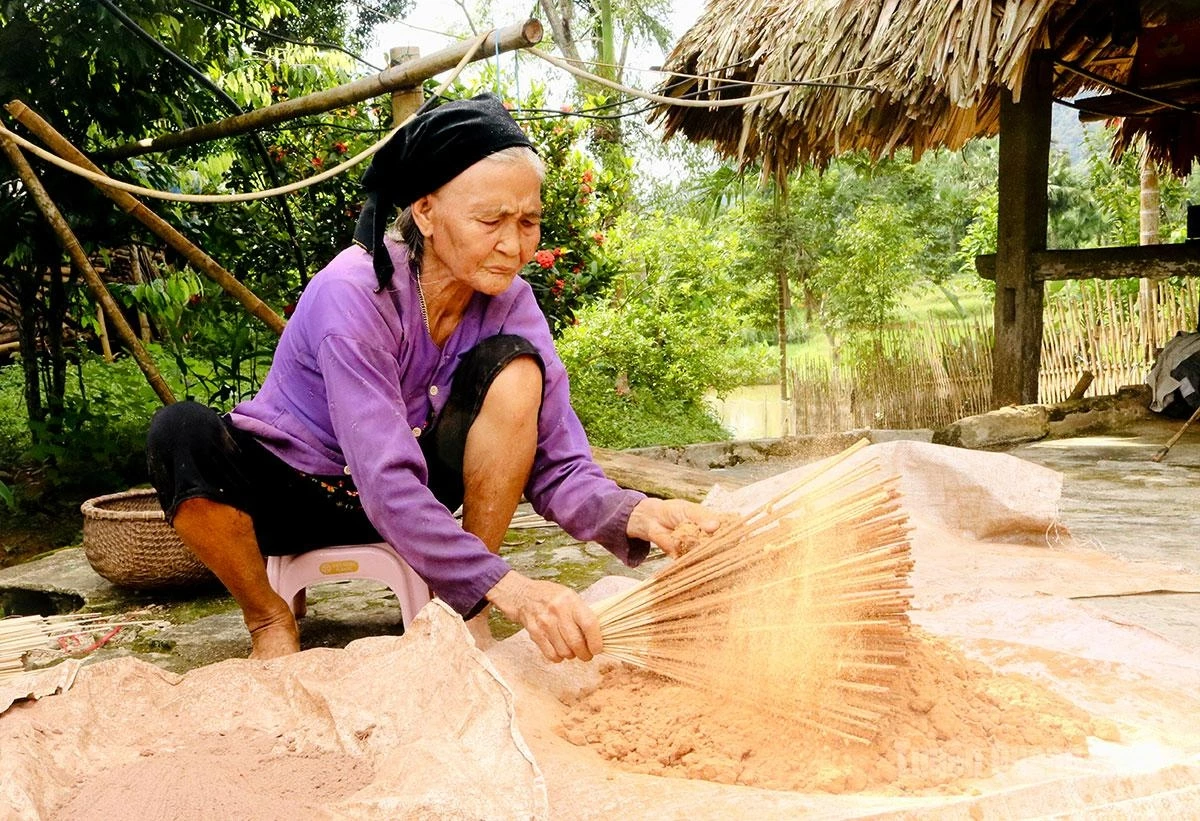 |
| The craft is practiced throughout the year, with production reaching its peak in the months leading up to the Lunar New Year, as well as before the Full Moon festivals of the first and seventh lunar months. |
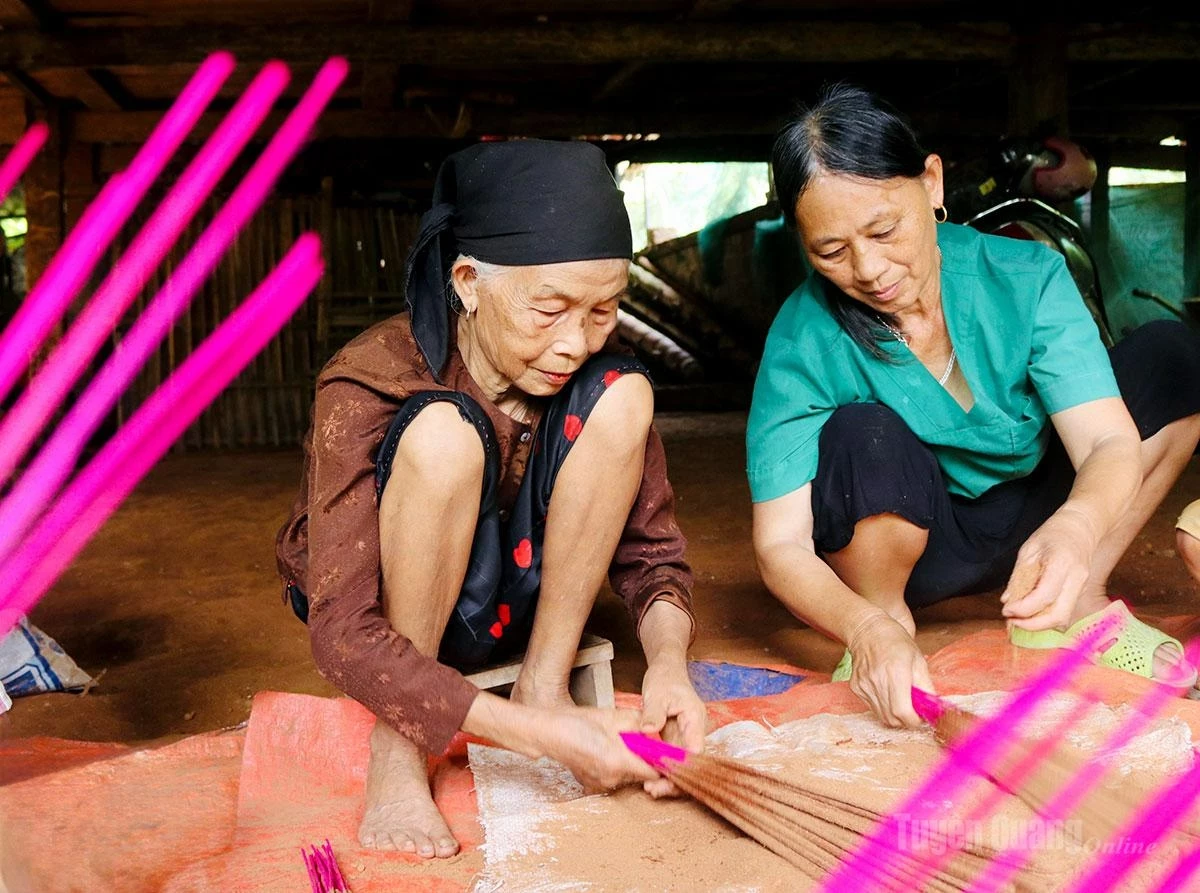 |
| Hoang Thi Son and her mother, from Ban Tat Village, continue the traditional incense-making craft that has been passed down through their family for generations. |
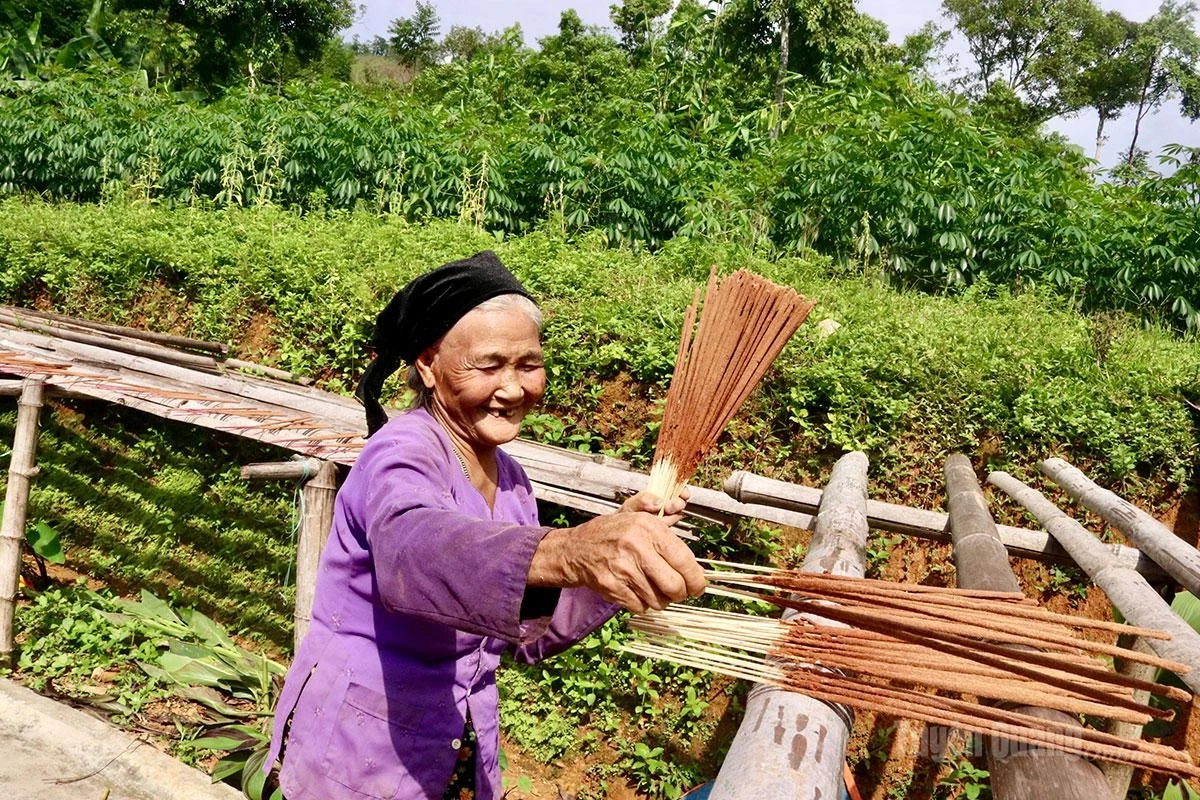 |
| After being made, the incense sticks are dried under gentle sunlight for two to three sunny days to ensure they become dry, firm and burn evenly. |
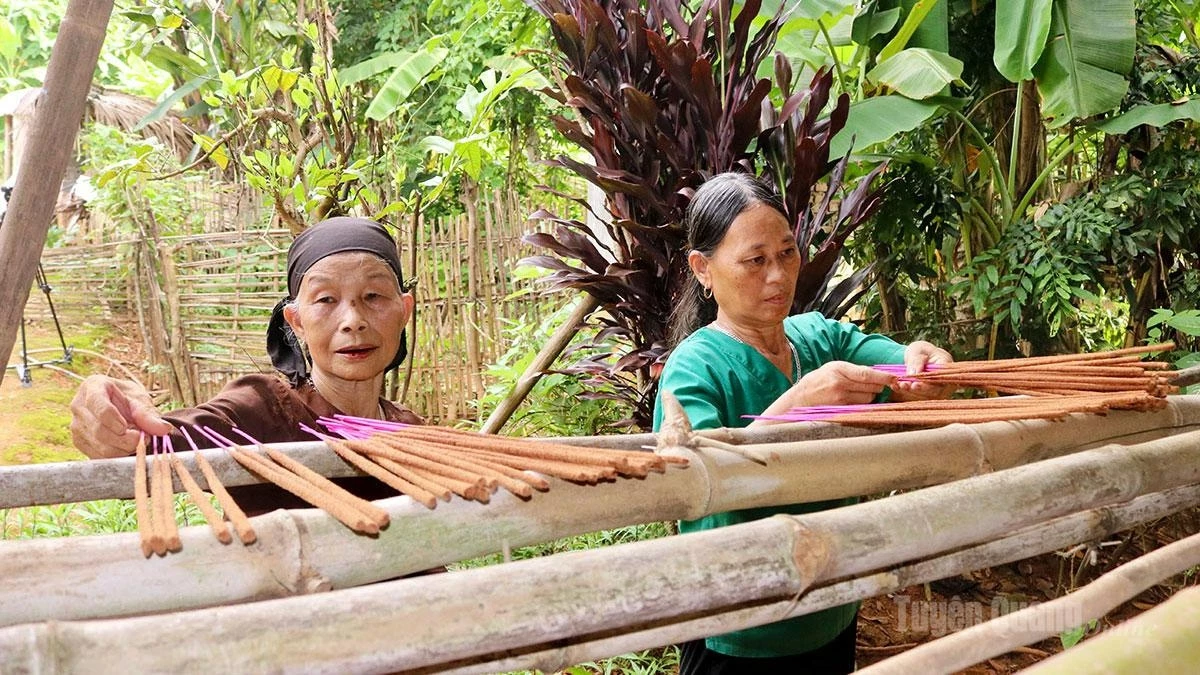 |
| Every stage of the incense-making process is carried out entirely by hand, from mixing the powder and coating the sticks to drying them in the sun, without the use of machinery or supporting equipment. |
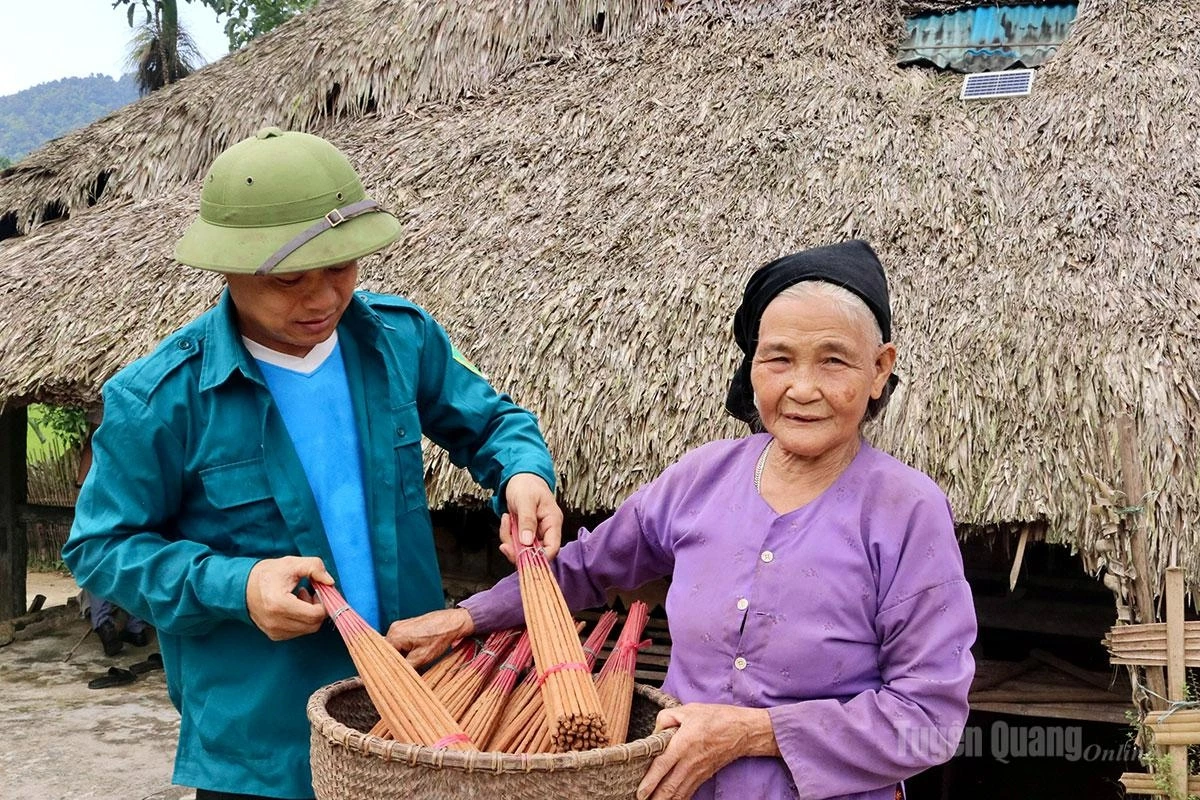 |
| Finished bundles of incense are neatly tied and prepared for sale. |
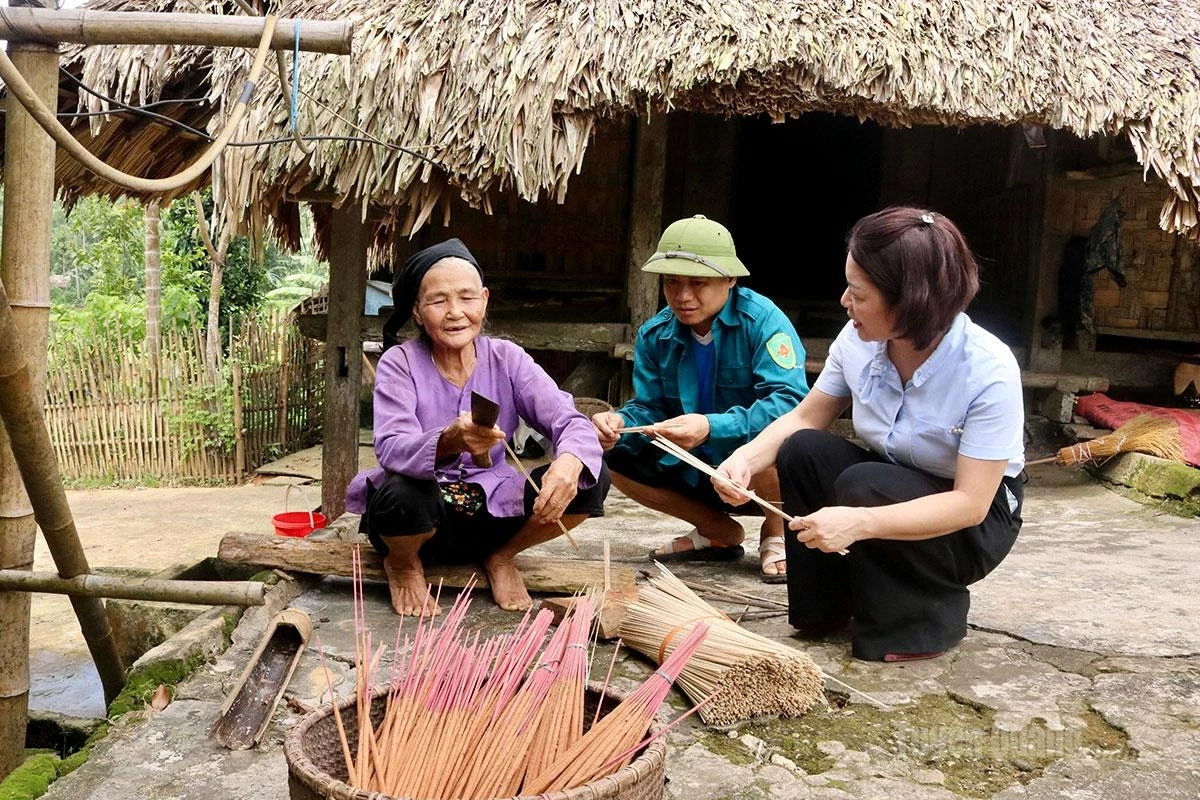 |
| Nu guides local people and officials through the traditional incense-making process during a hands-on experience in Linh Ho Commune. |
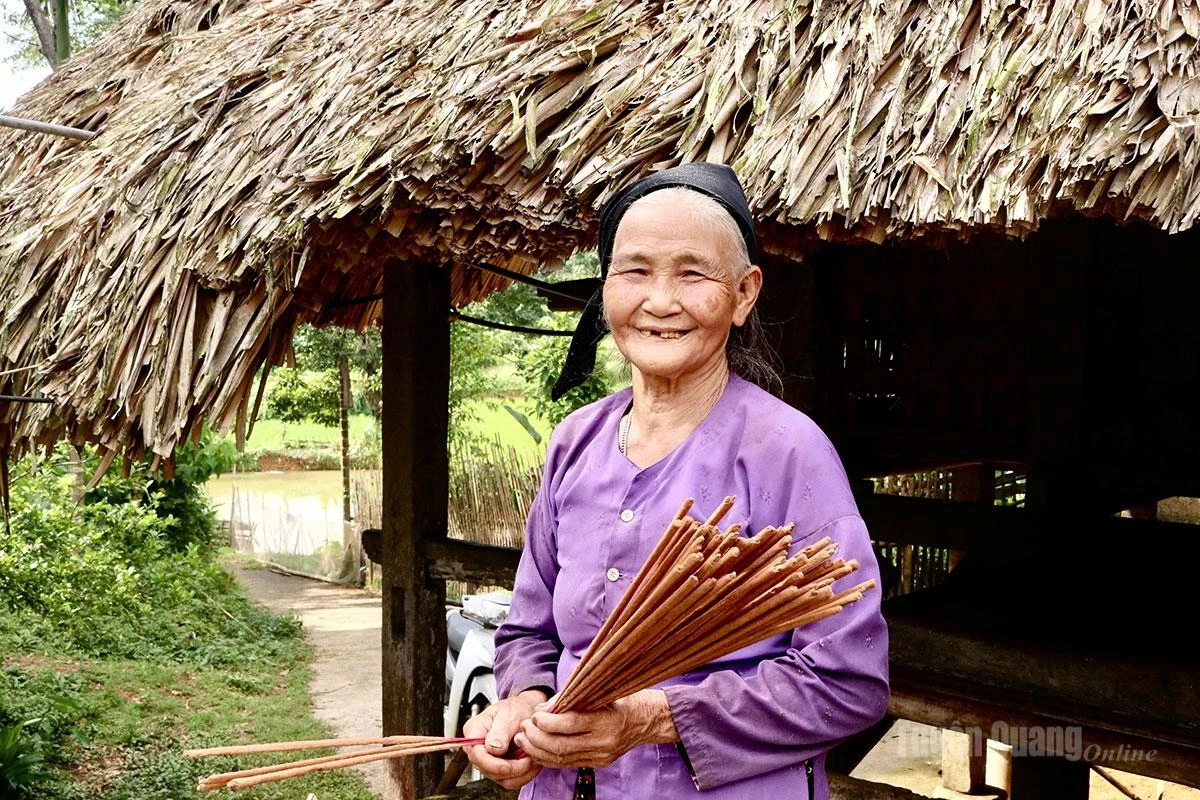 |
| Ha Thi Nu smiles proudly after dedicating more than half a century to preserving the traditional incense-making craft in Linh Ho Commune. |
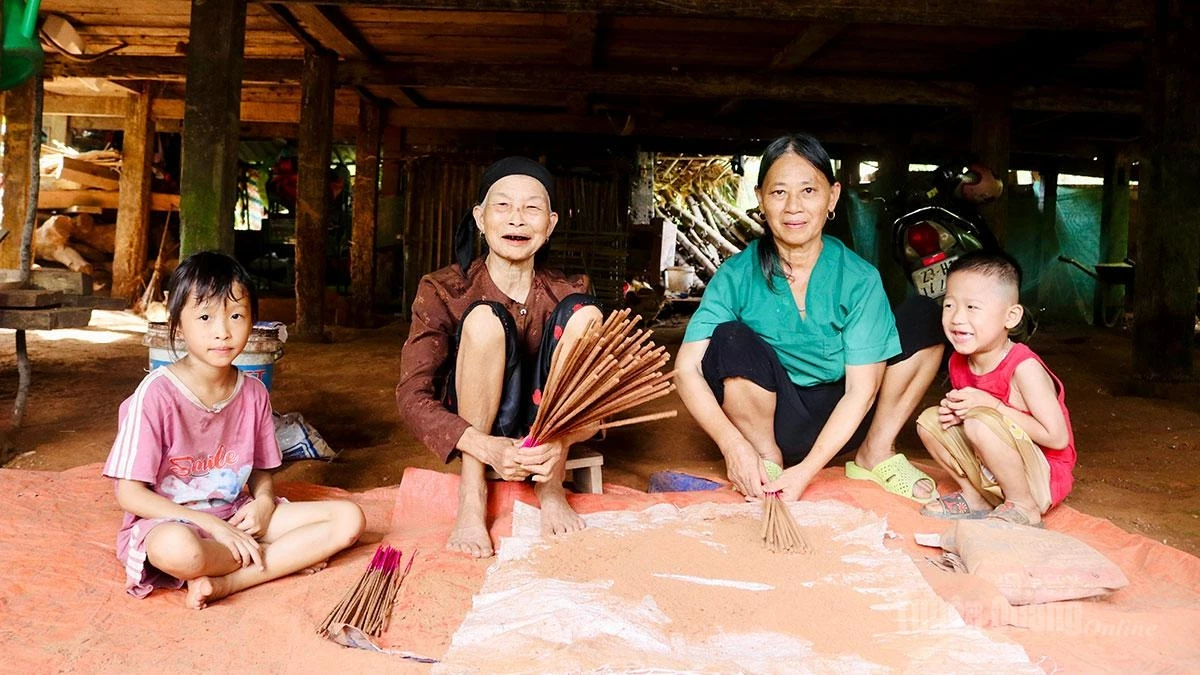 |
| Four generations of one family continue to preserve the traditional incense-making craft, carrying forward the cultural heritage of the Tay people in Linh Ho Commune. |
Khanh Huyen



READER COMMENTS