11:21, 28/03/2026
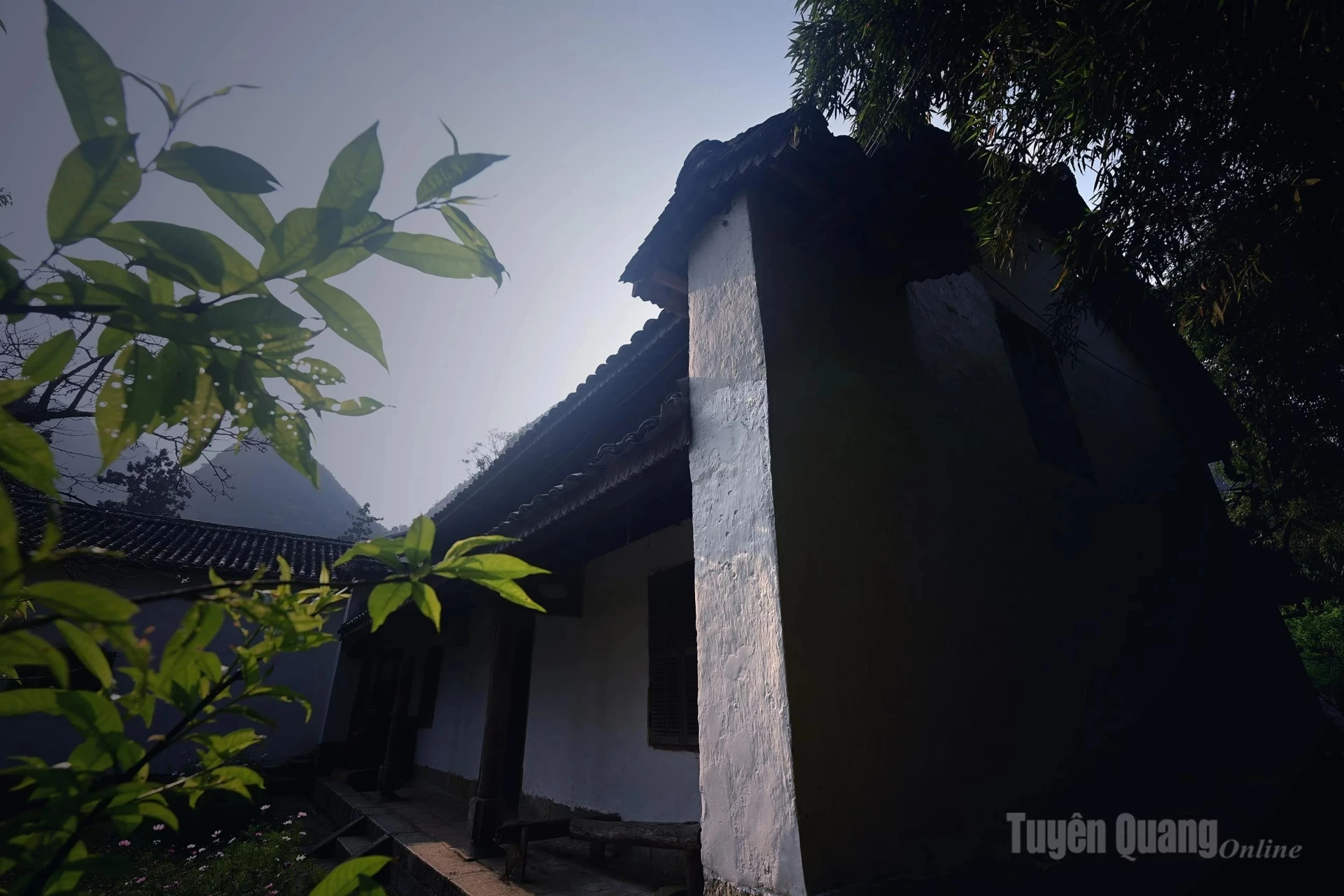
The Vuong family mansion is located in a valley in Sa Phin hamlet, Sa Phin commune, surrounded by mountains. It was once the residence and workplace of the renowned Hmong leader Vuong Chinh Duc, who was respectfully called the “King of the Hmong” by locals for his leadership over a vast area of the rocky plateau. With its unique architecture rich in historical and cultural imprints of the highlands, the Vương family mansion is considered a symbol of past power and the rise and fall of a once-prominent Hmong lineage in the country’s northernmost region.
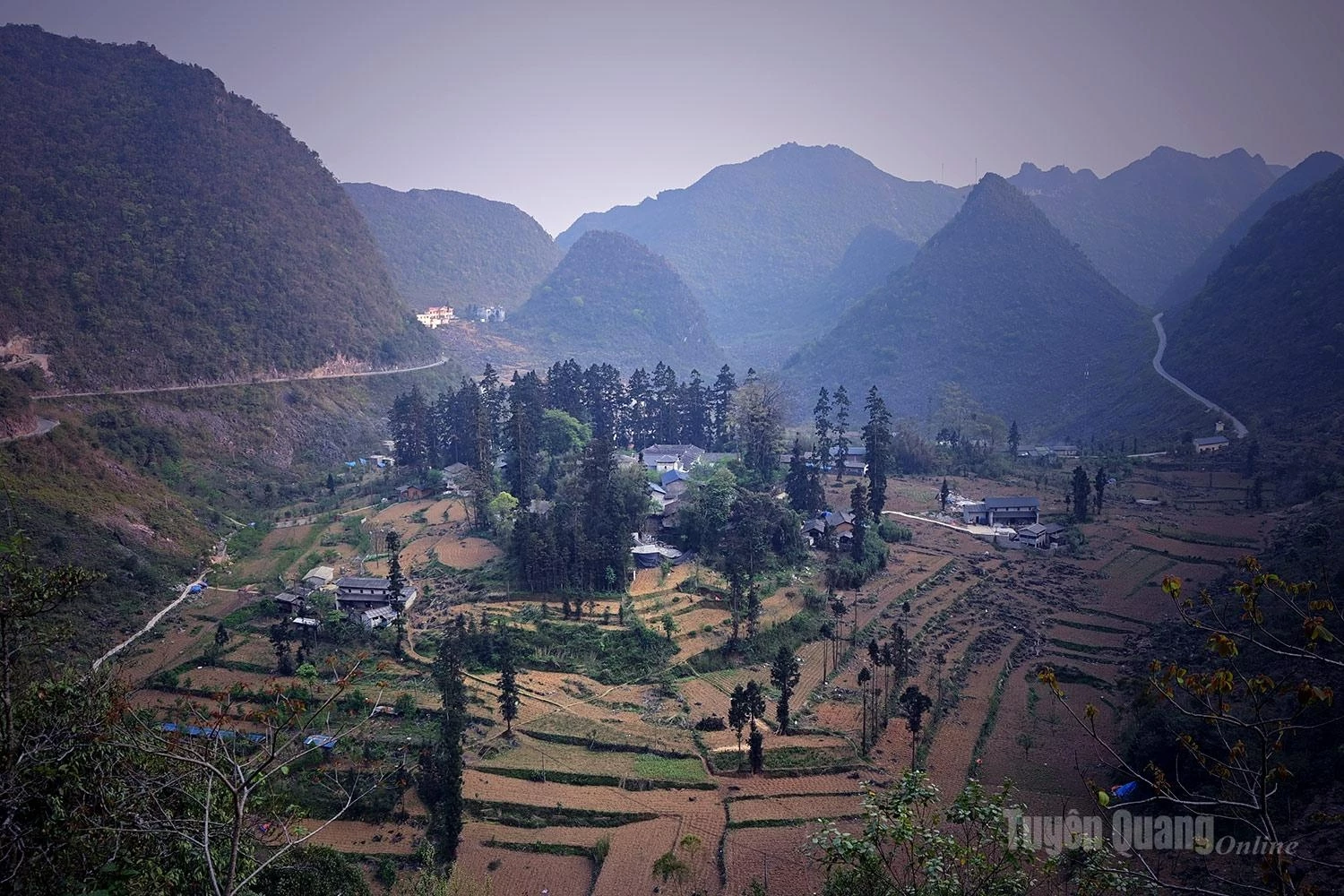 |
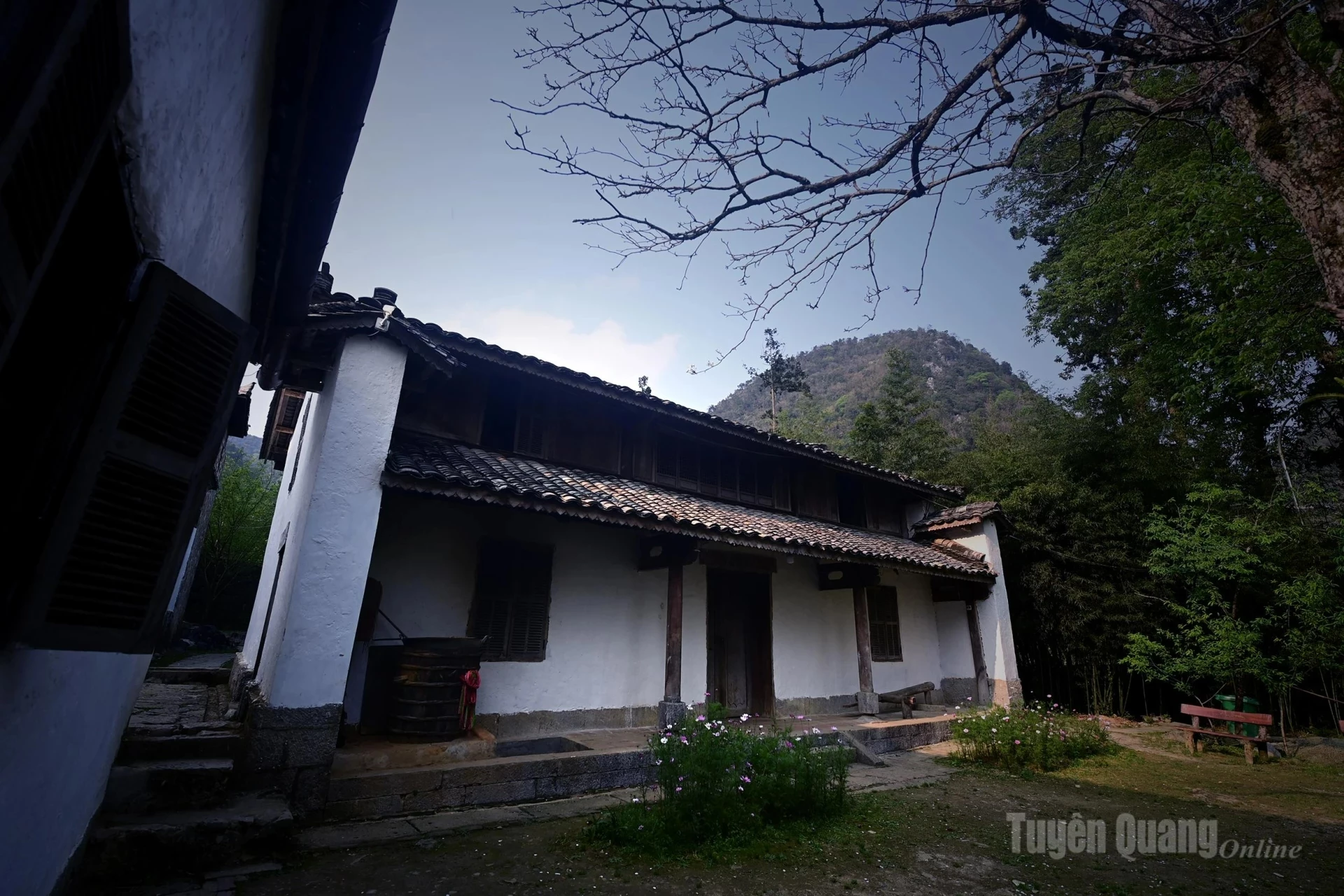
| The Vuong family mansion sits in a valley in Sa Phin A hamlet, Sa Phin commune. |
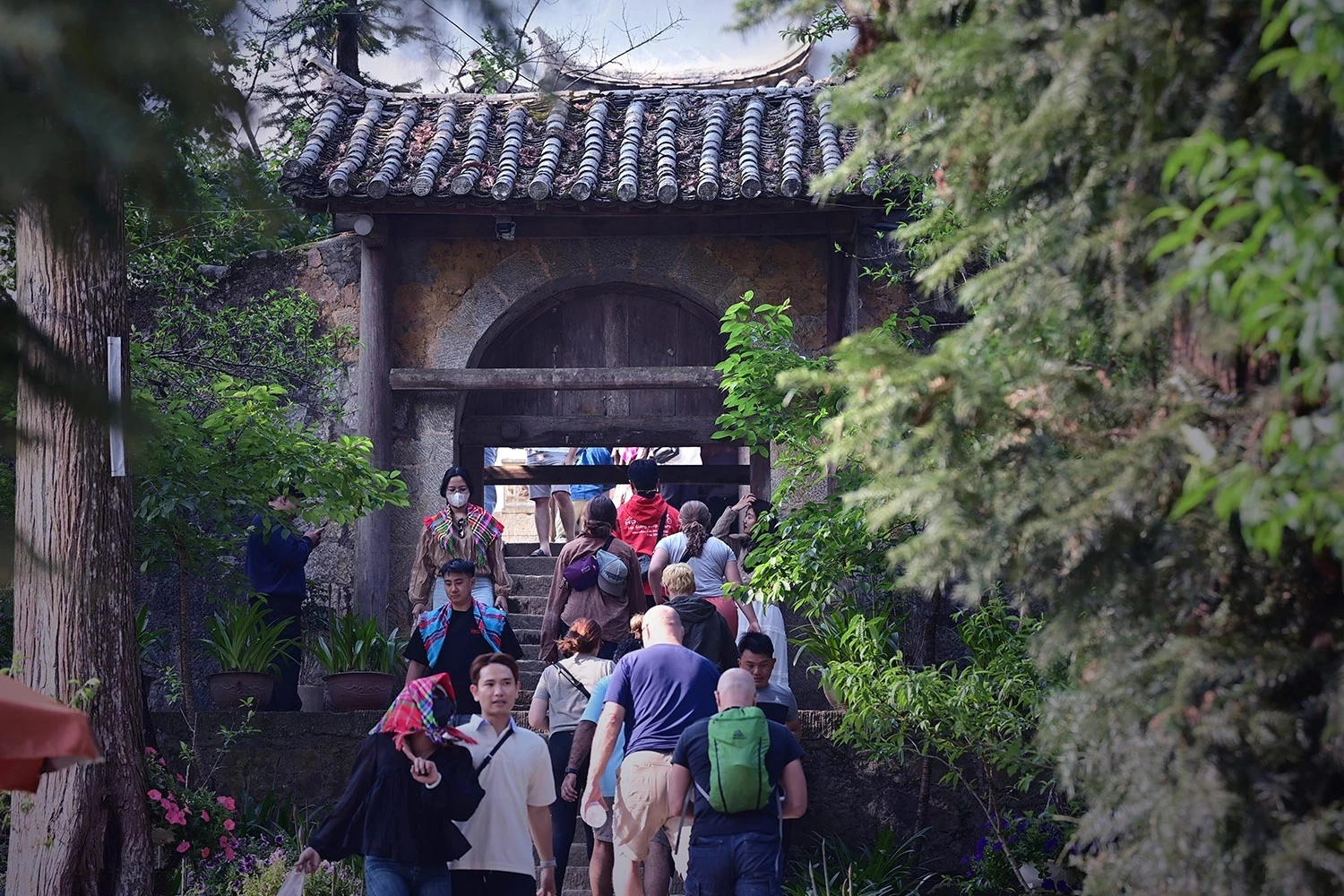 |
| Every day, a large number of domestic and international visitors come to explore the site. |
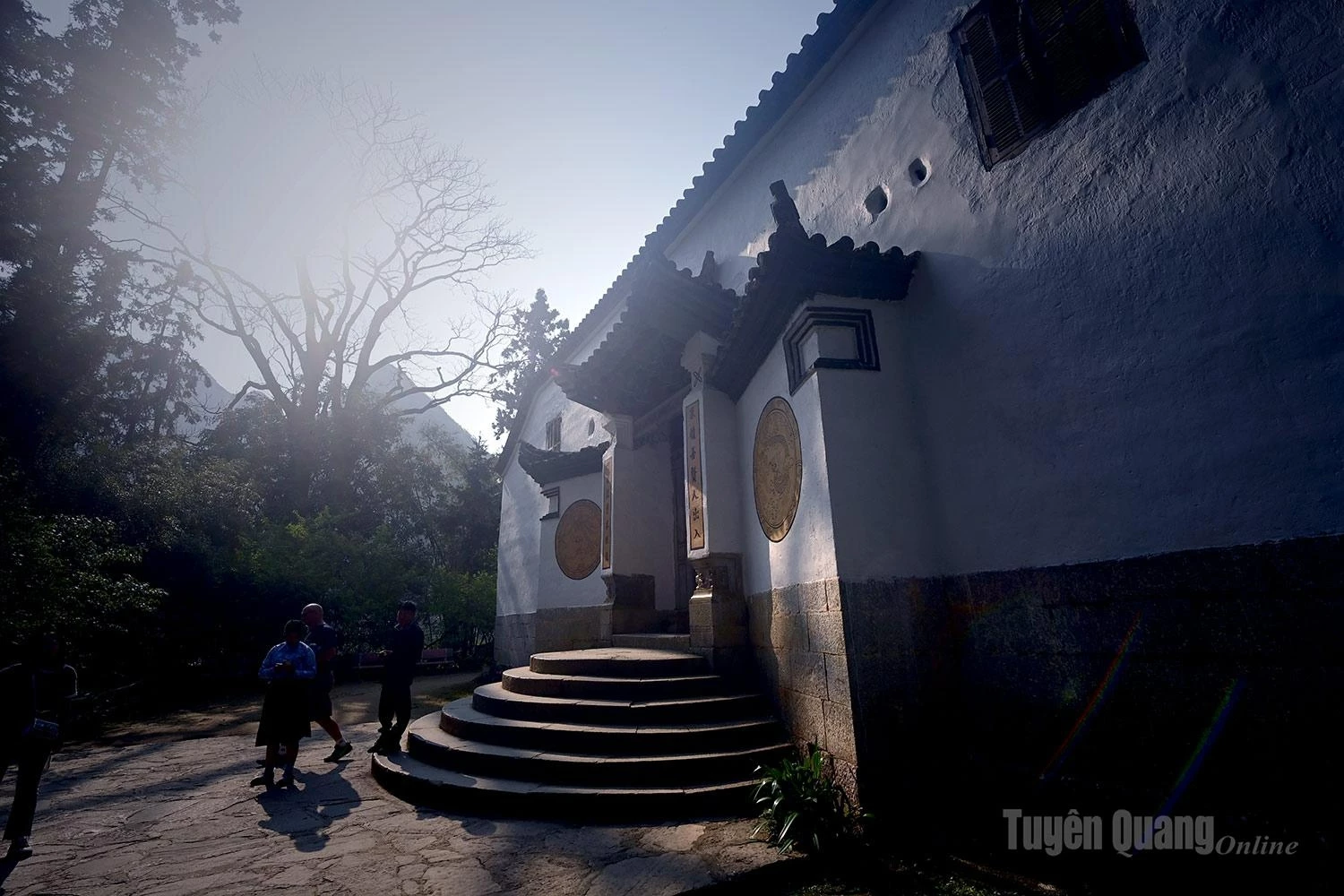 |
| The main gate of the mansion. |
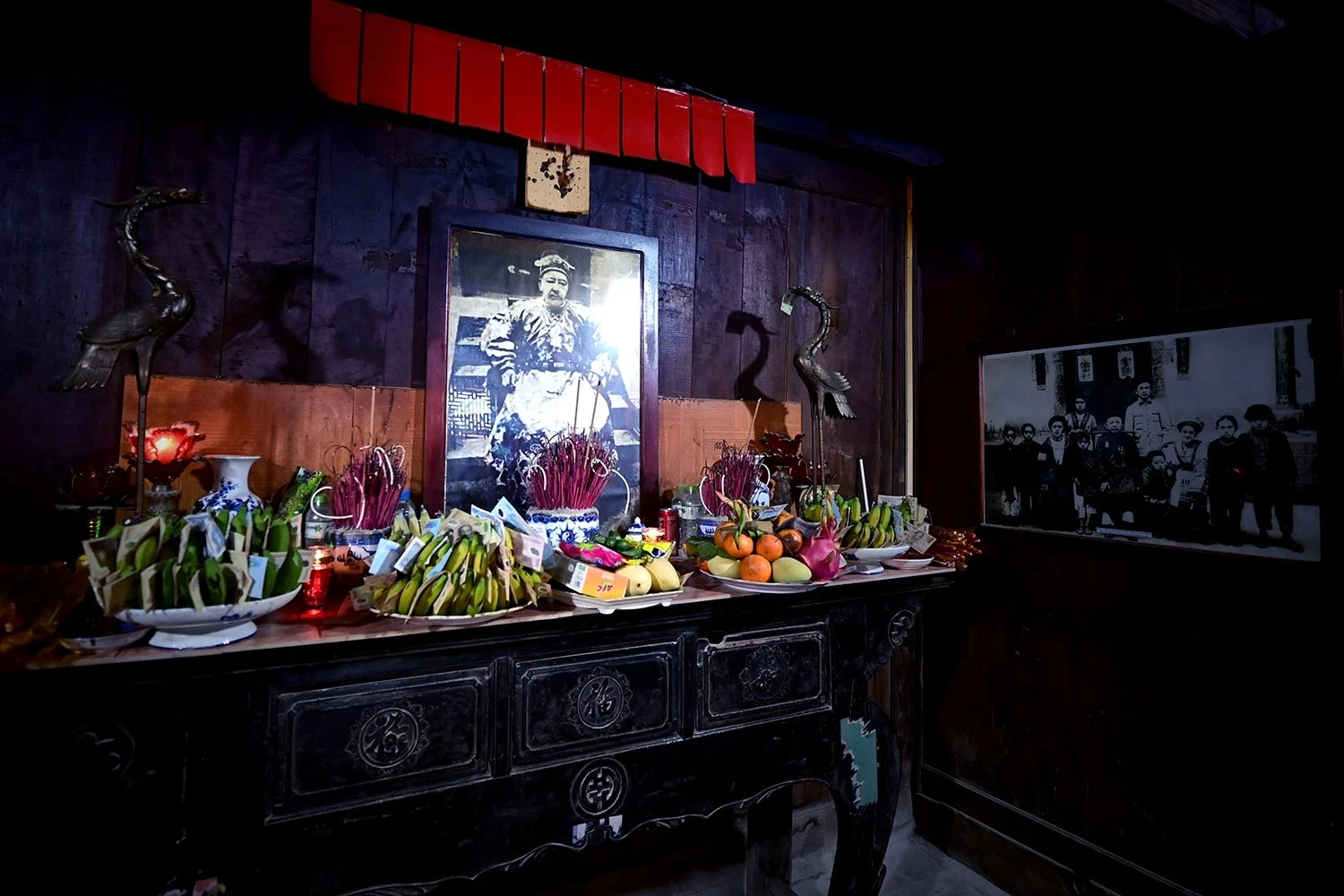 |
| The altar dedicated to Vuong Chinh Duc, the first Hmong leader in Sa Phin. |
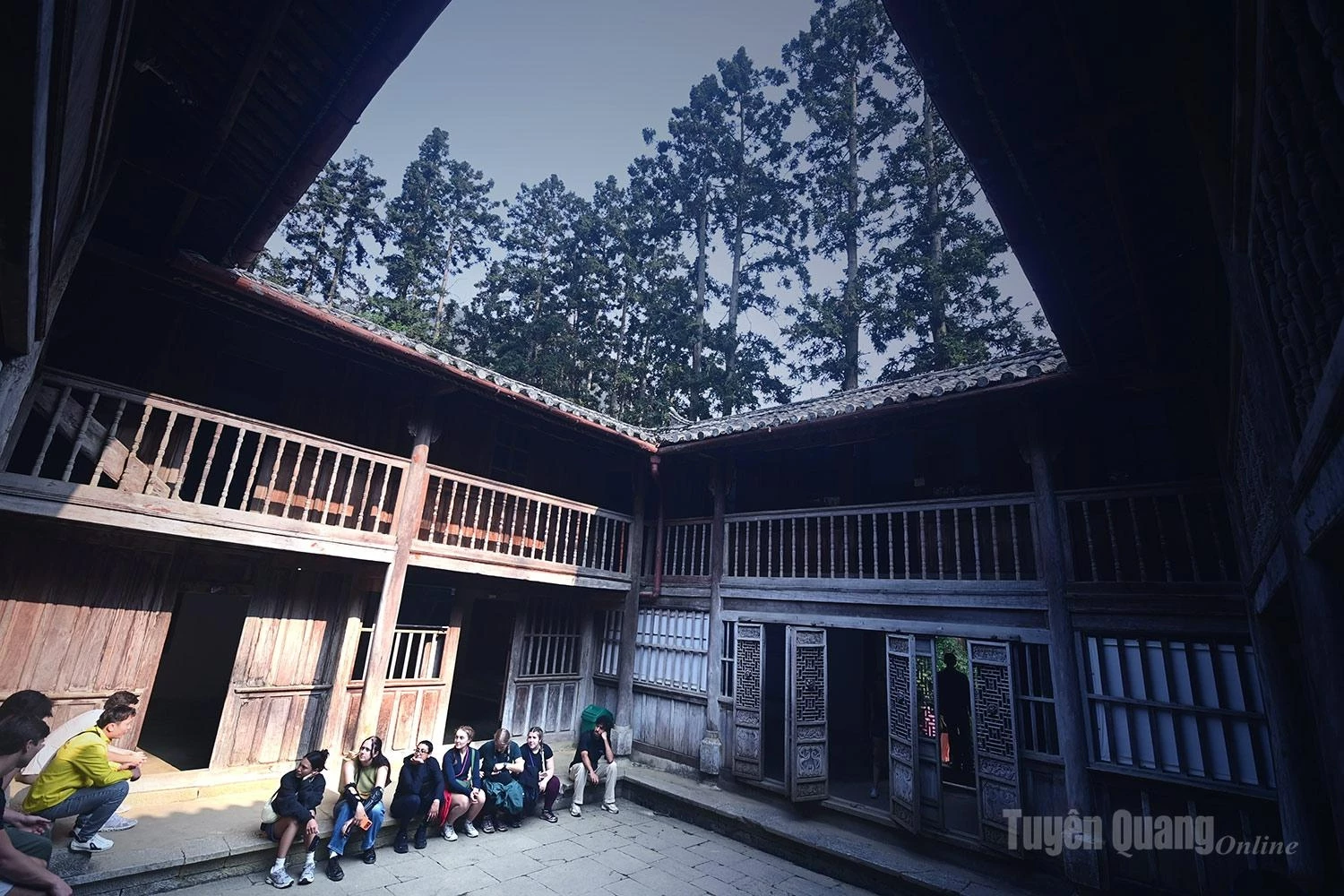 |
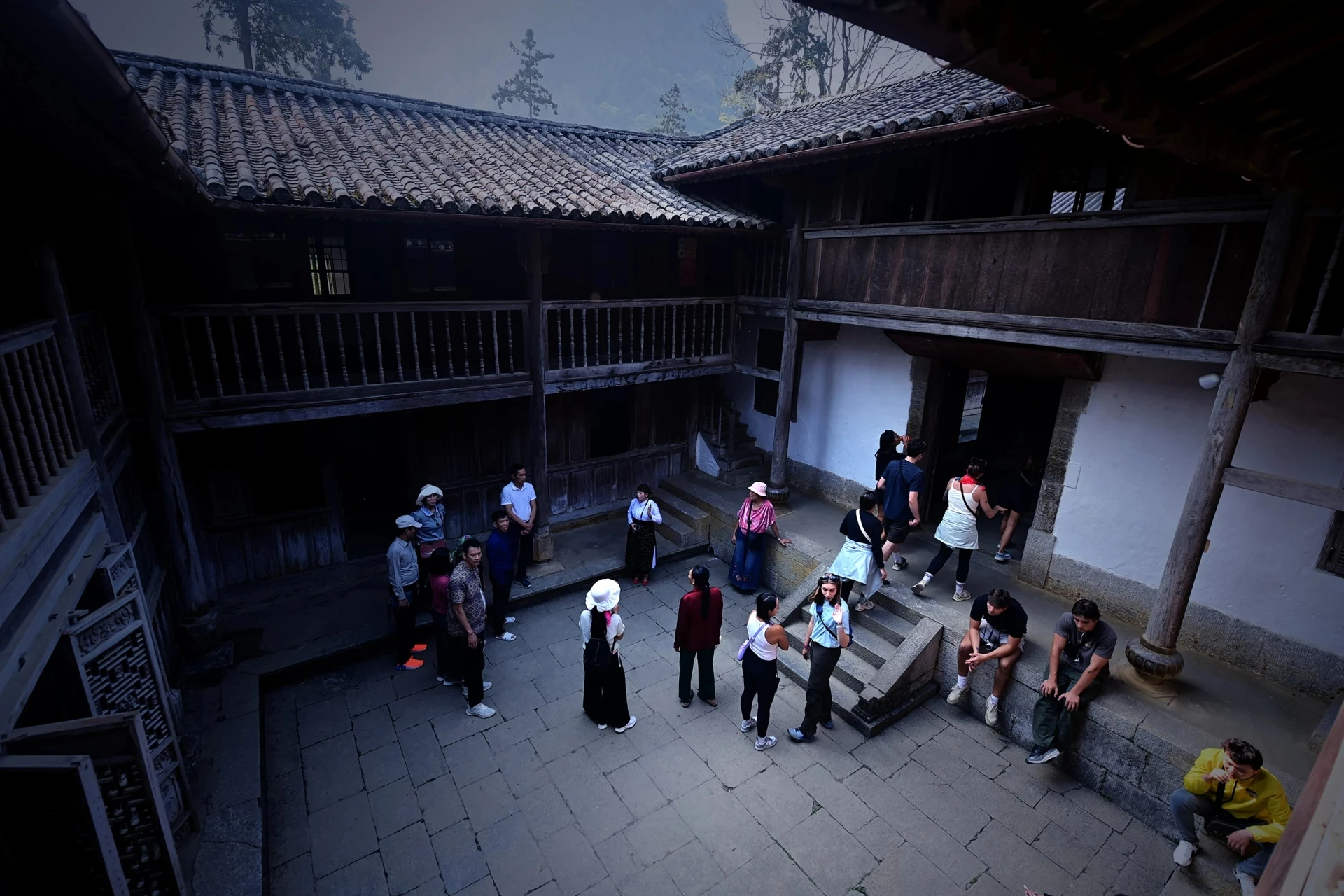
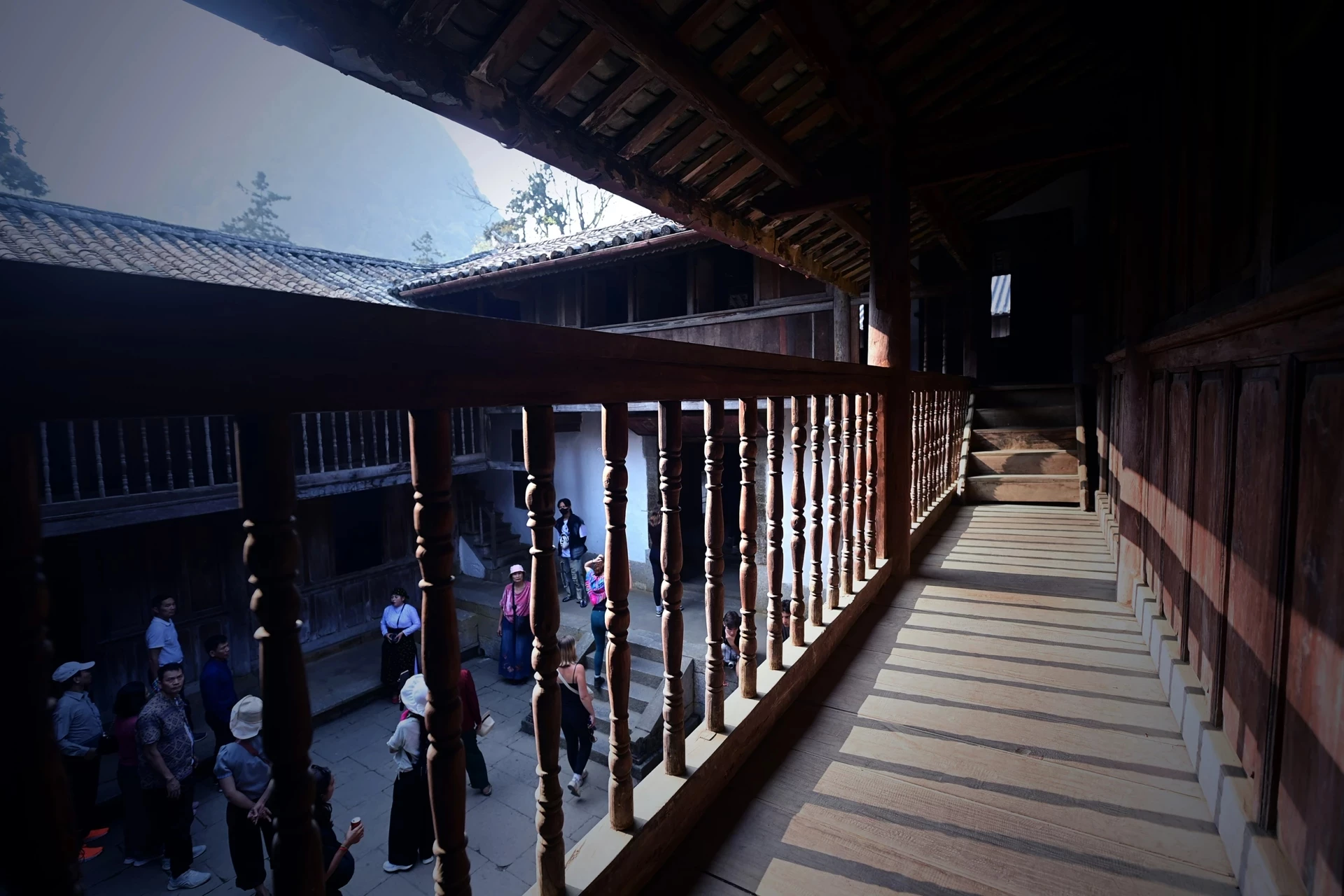
| At the center of the mansion is an open courtyard that allows natural light to enter. |
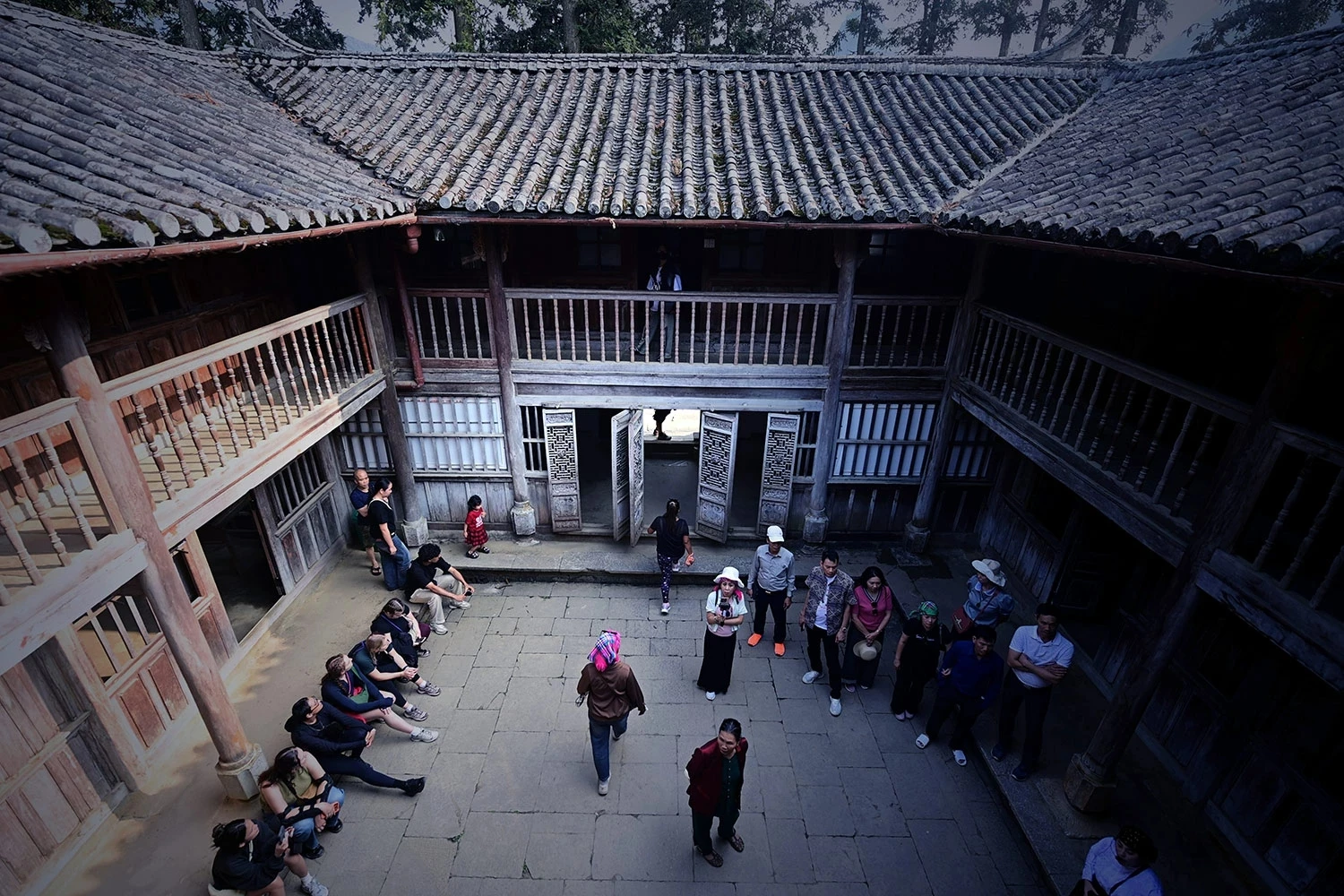 |
| The site attracts a steady flow of tourists each day. |
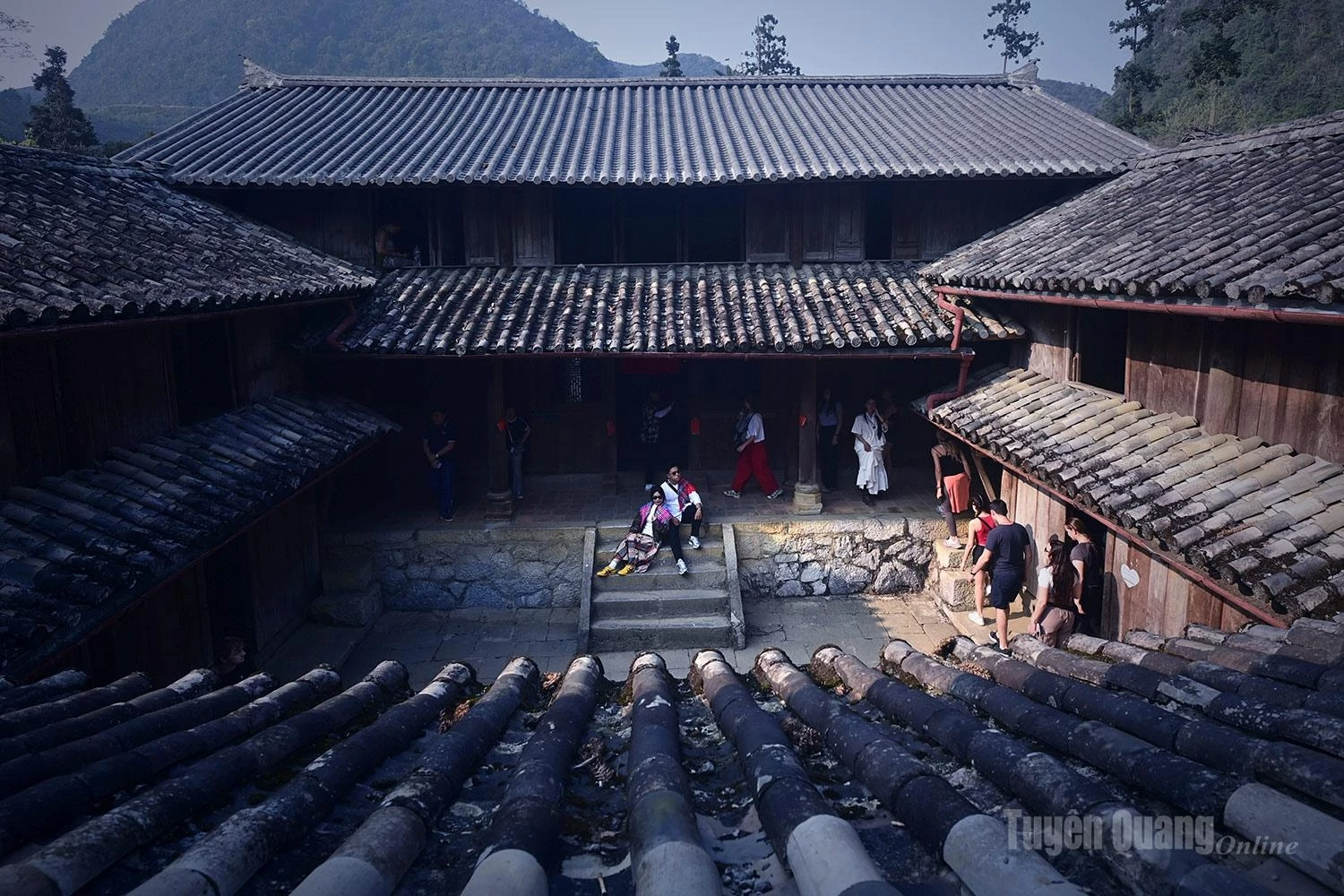 |
| The mansion was designed and constructed by craftsmen from Yunnan Province, China, in collaboration with Hmong people. |
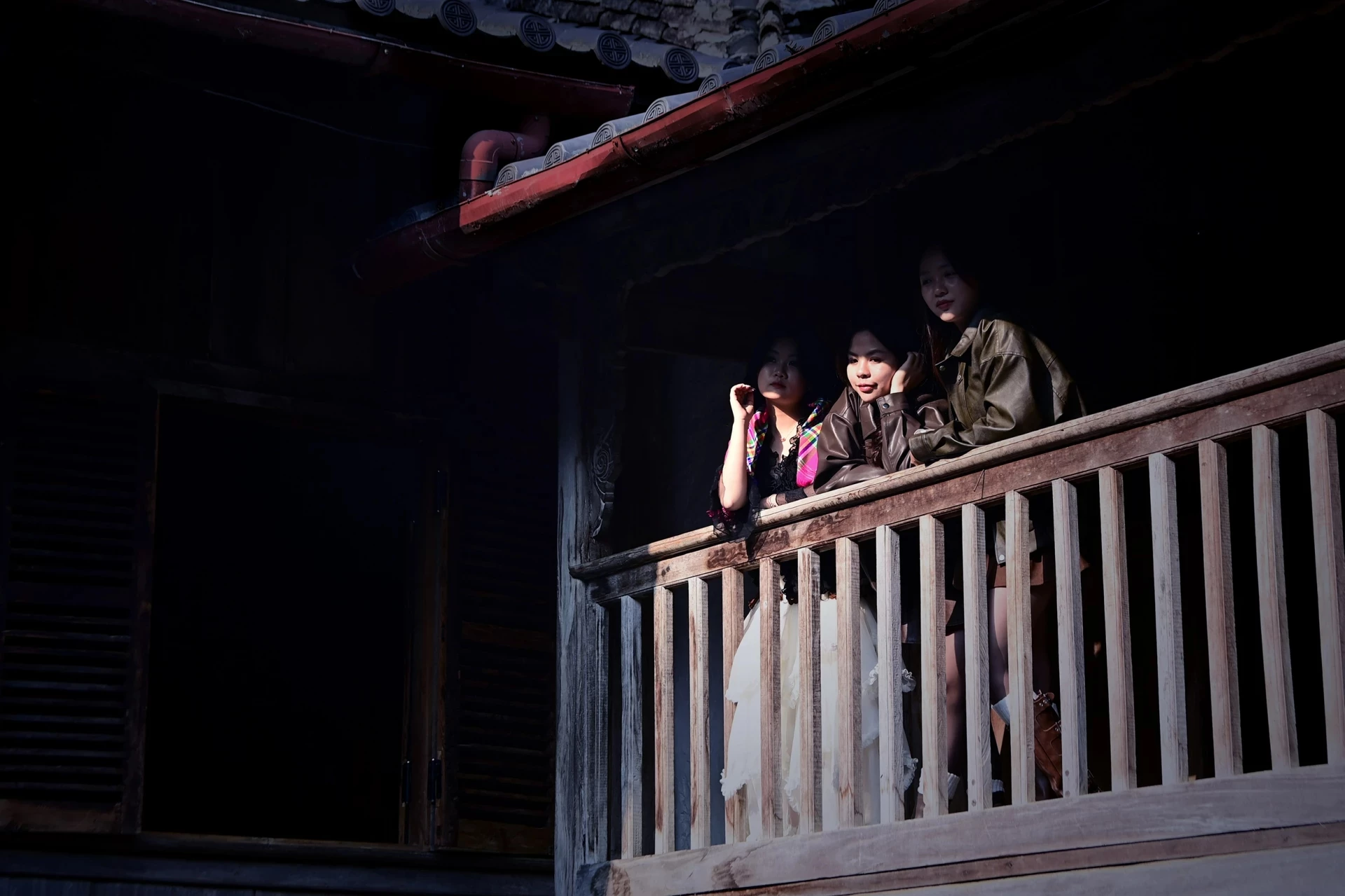 |
| In 1993, the Vuong family mansion was recognized as a National Architectural and Artistic Heritage Site, becoming one of the most historically and culturally significant attractions of Tuyen Quang province and the country. |
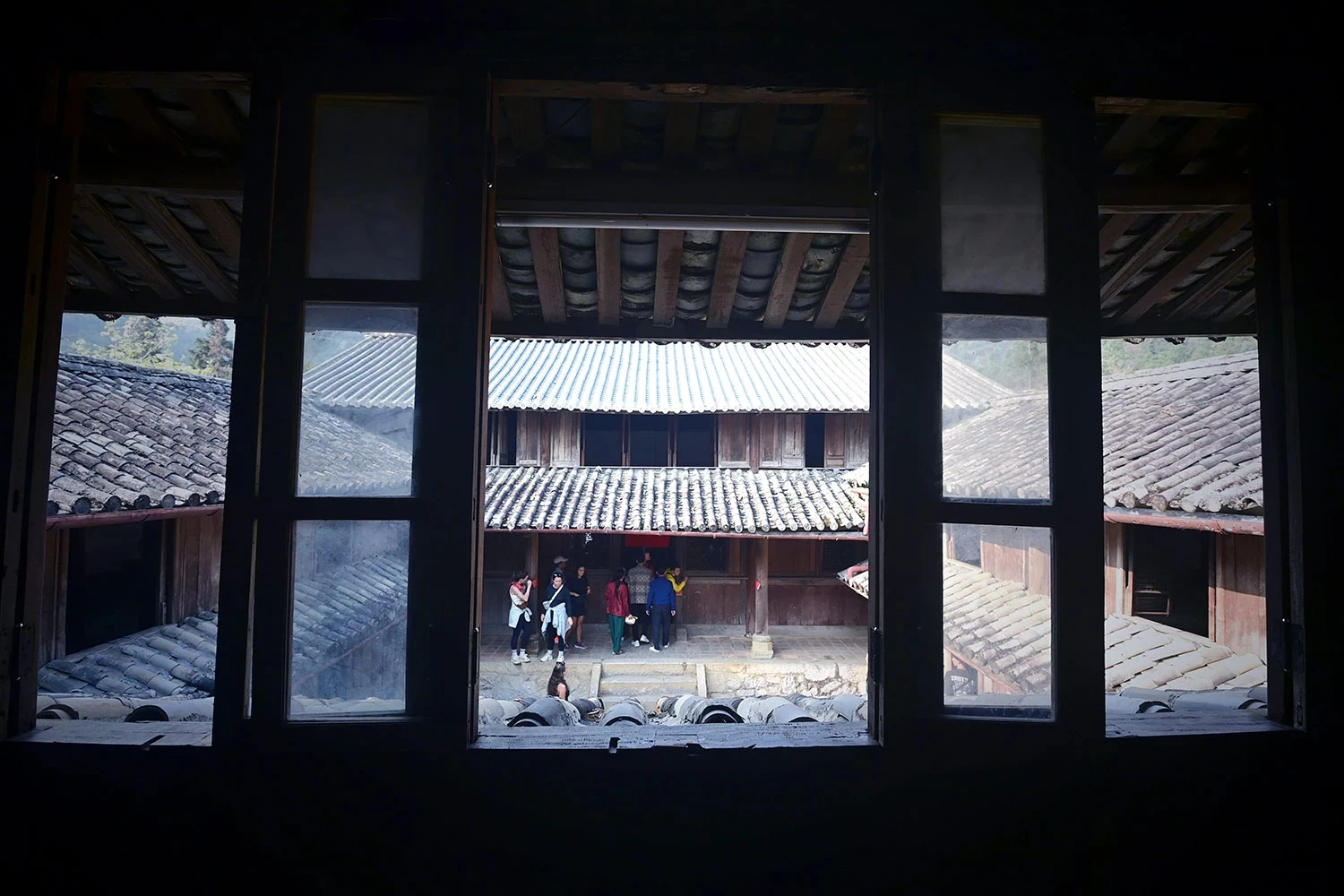 |
| The entire complex covers about 3,000 square meters and is divided into three main sections: the front, middle, and rear quarters. Each area serves a distinct function, arranged scientifically and practically to meet the needs of living, hosting guests, working, and defense. |
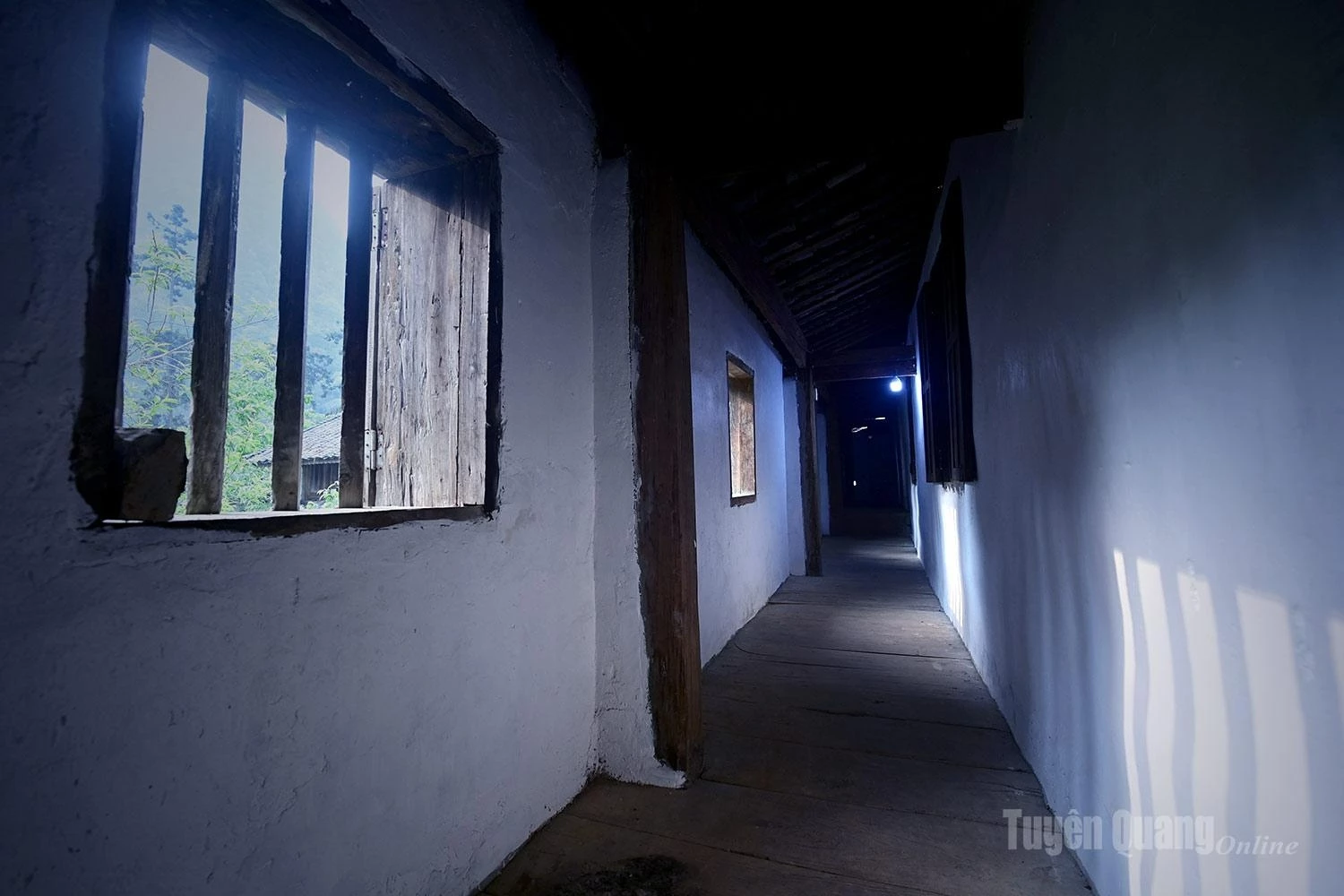 |
| A distinctive feature of the Vuong family mansion is its harmonious blend of classical Chinese architecture, French influences, and traditional Hmong cultural elements. |
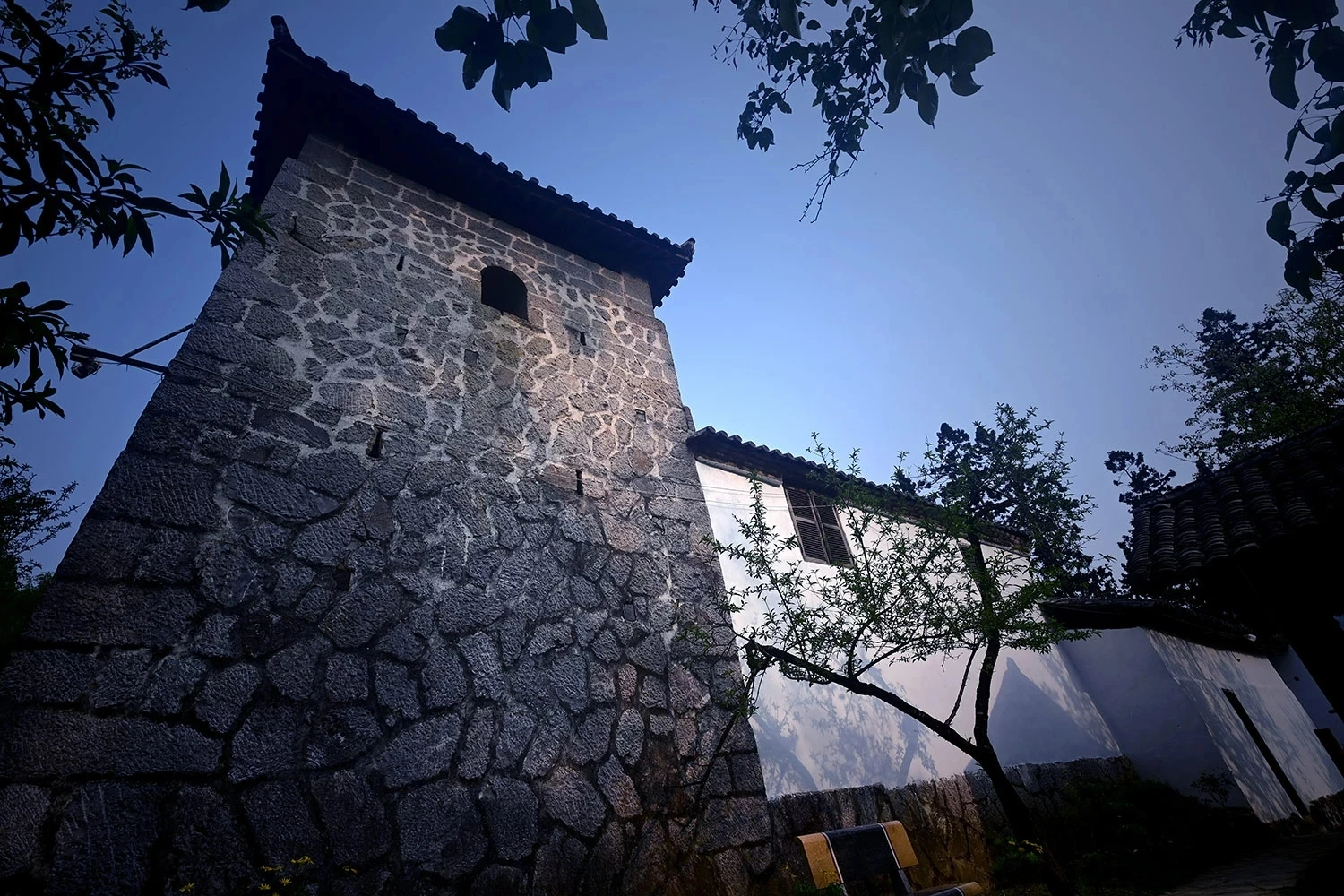 |
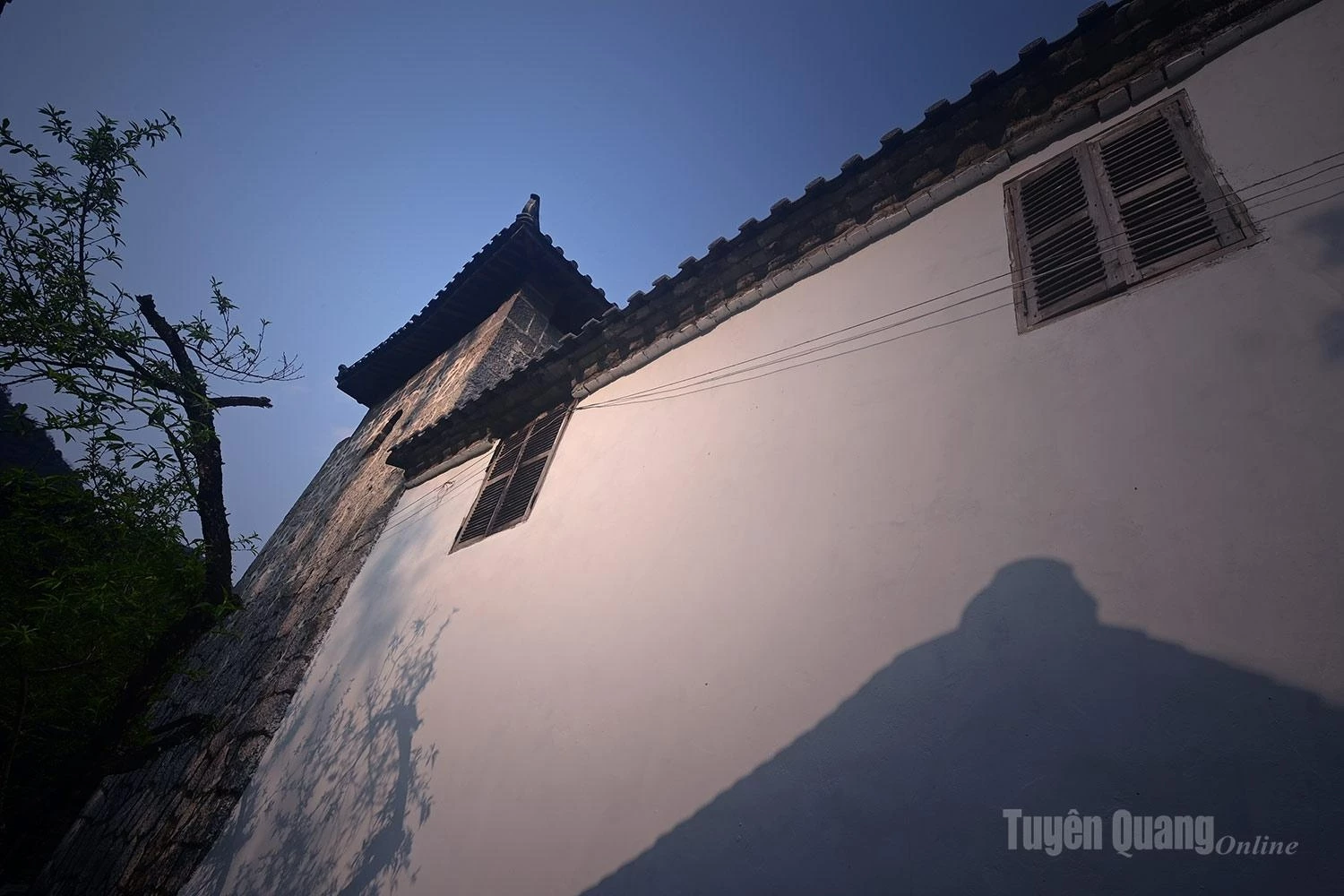
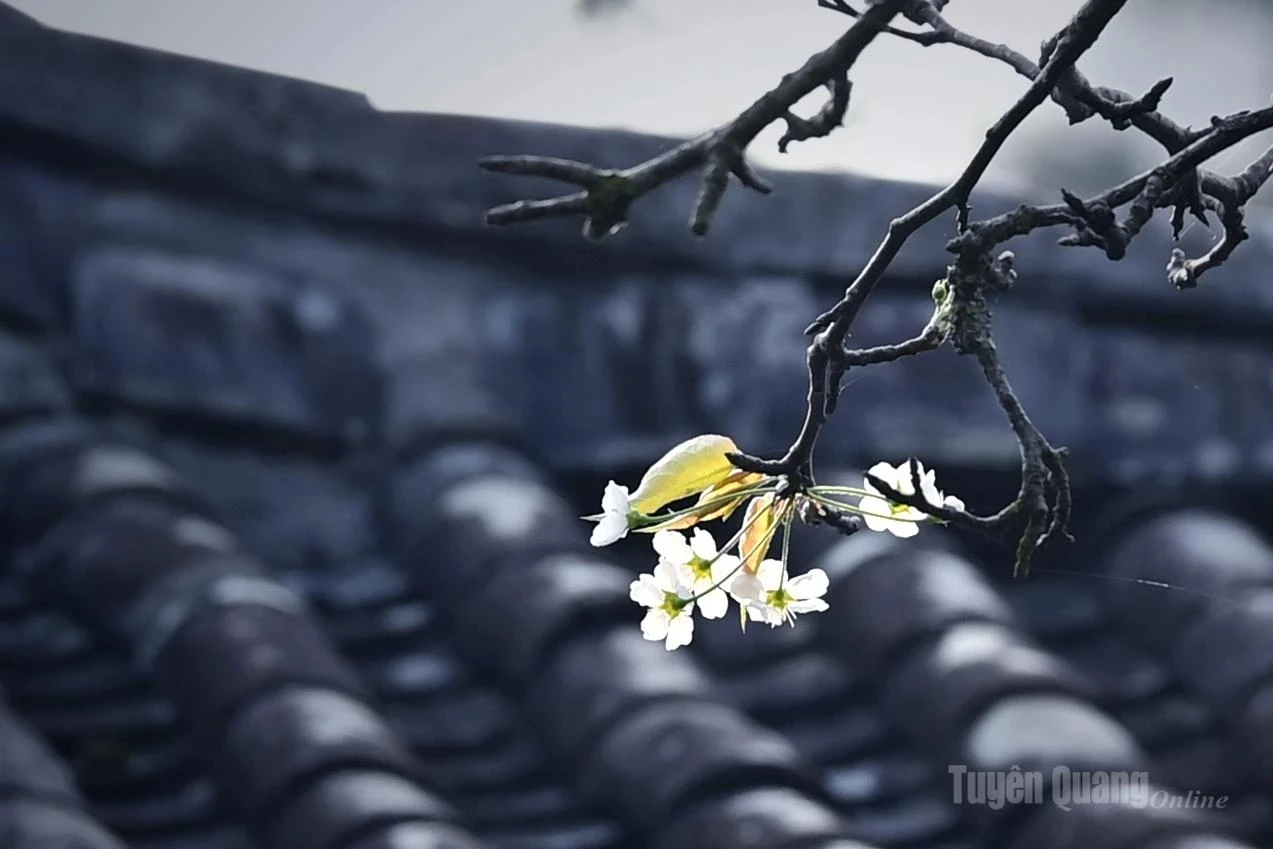
| The surrounding walls are built of stone, the roofs are covered with yin-yang tiles, and the structural framework is made from rare stone pine wood. |
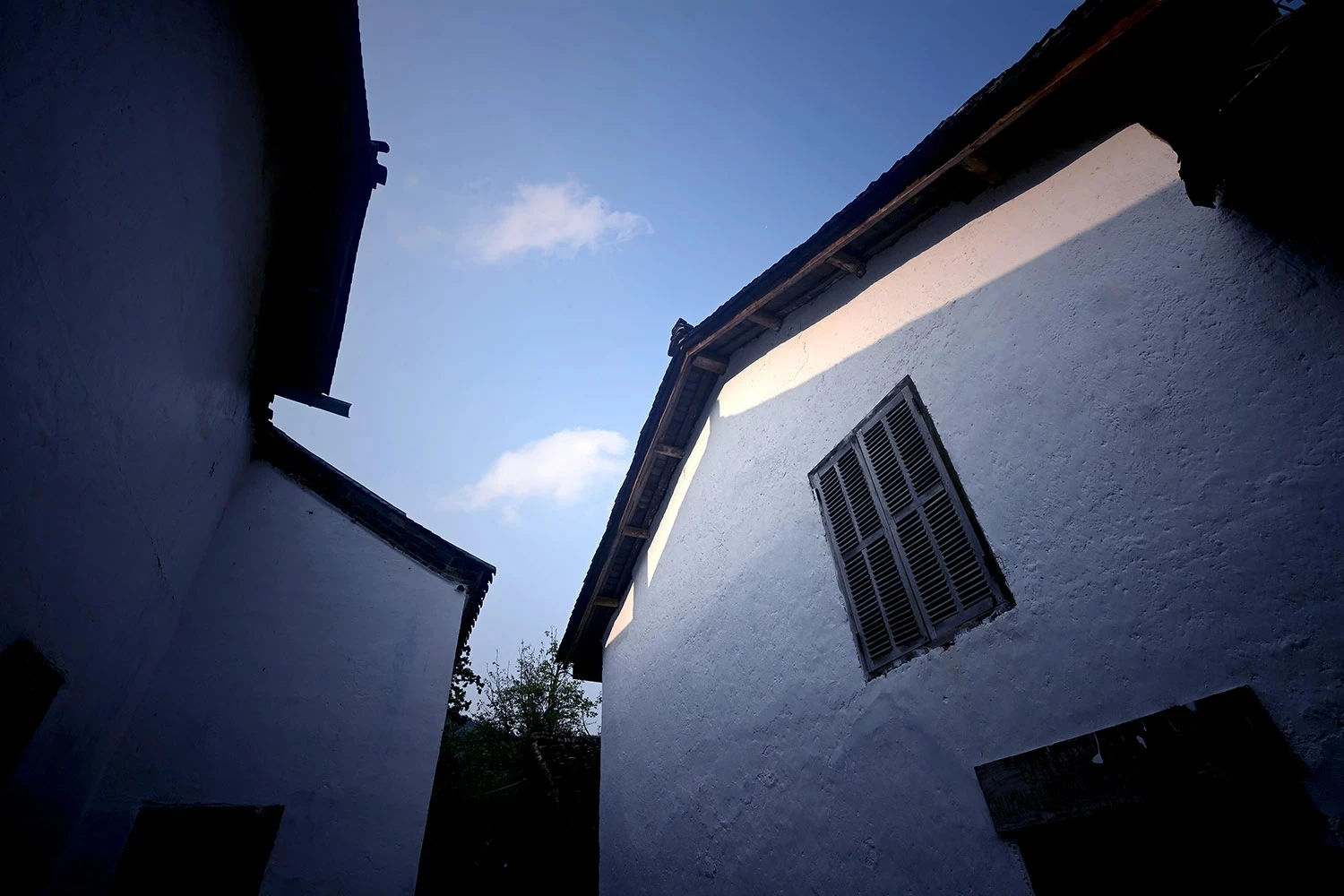 |
| Construction of the complex began in 1898 and was completed in 1907. |
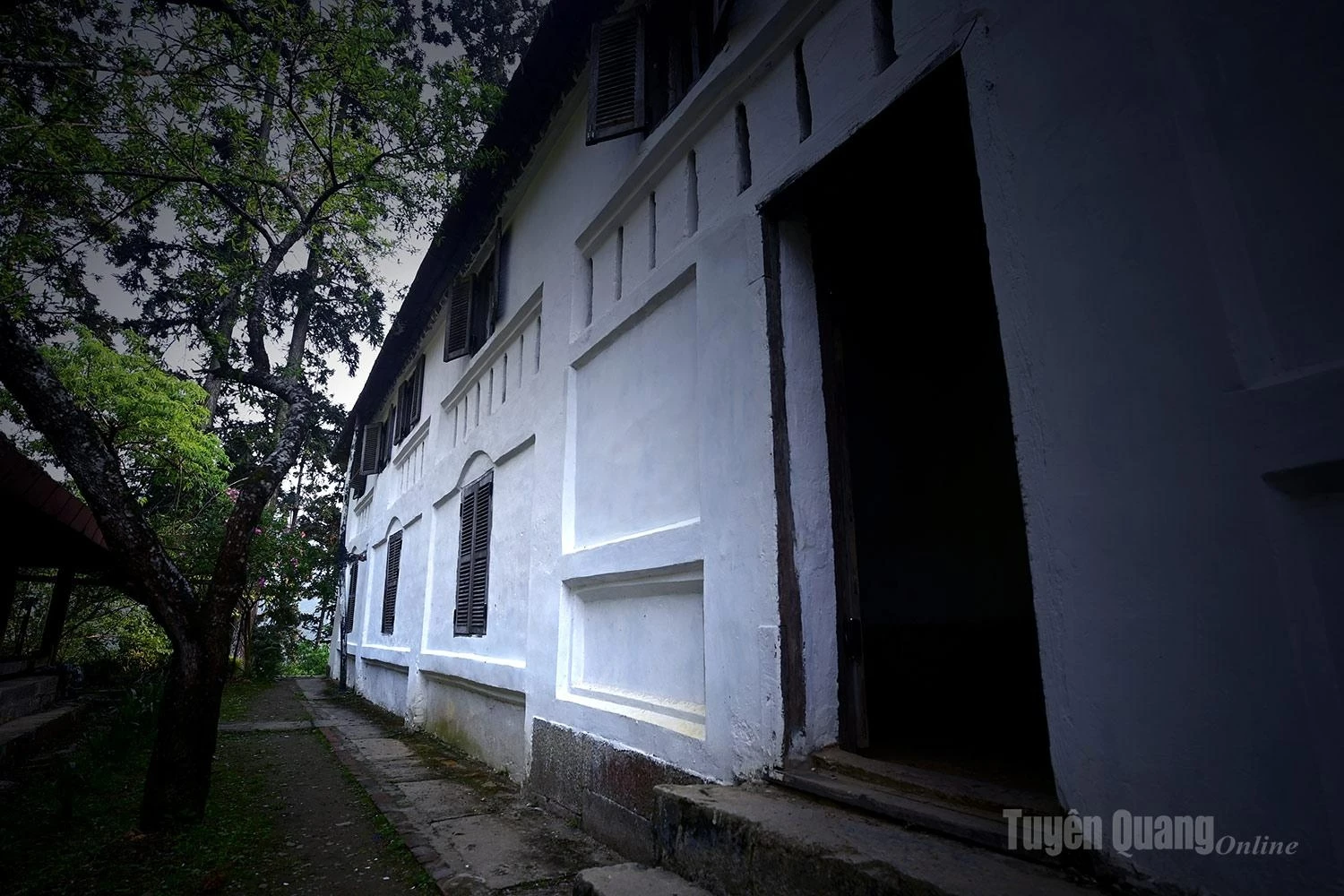 |
| Each section serves a specific function, carefully arranged to accommodate daily life, reception, work, and security. |
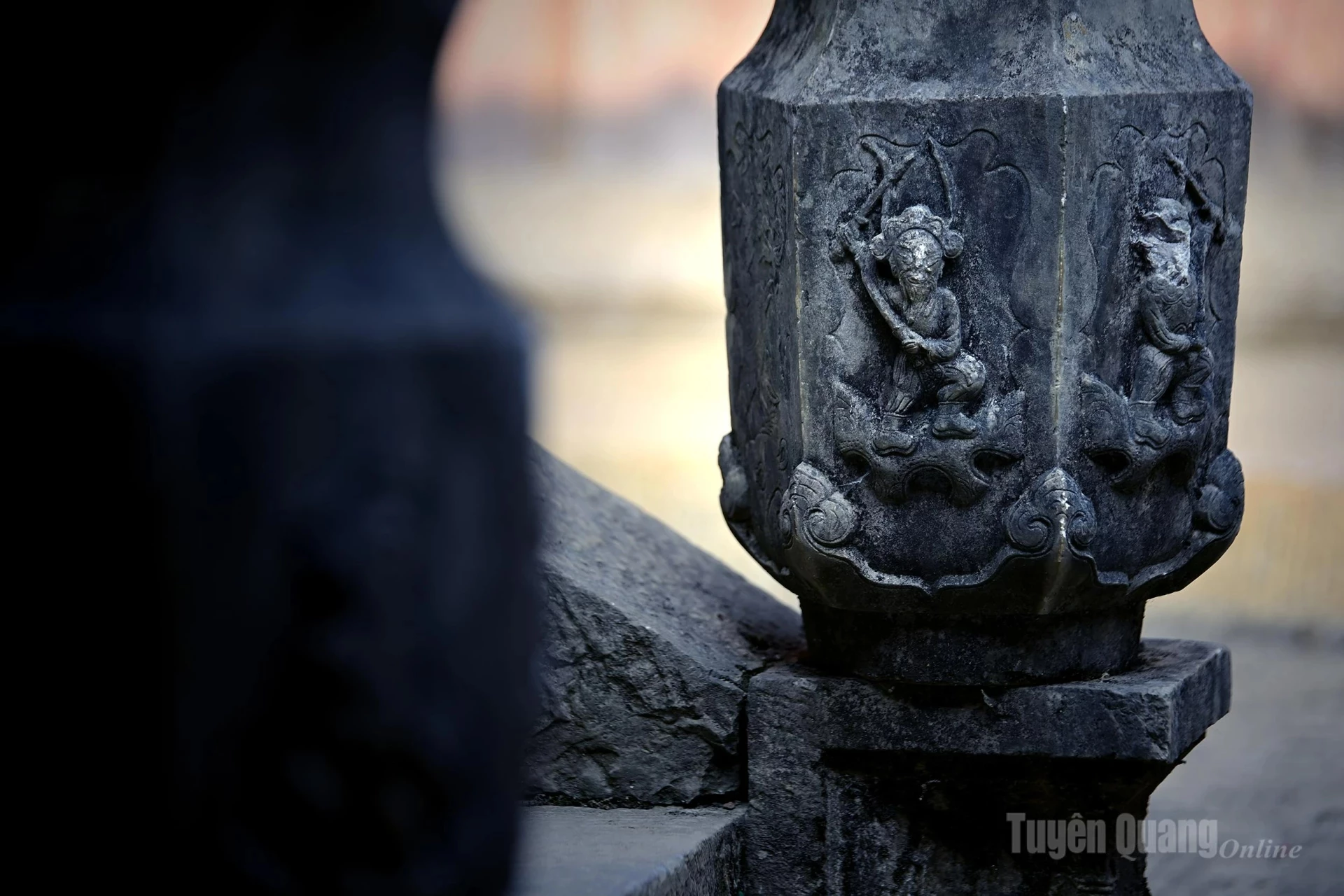 |
| The decorative details are intricately crafted, with stone columns carved with opium flower motifs. |
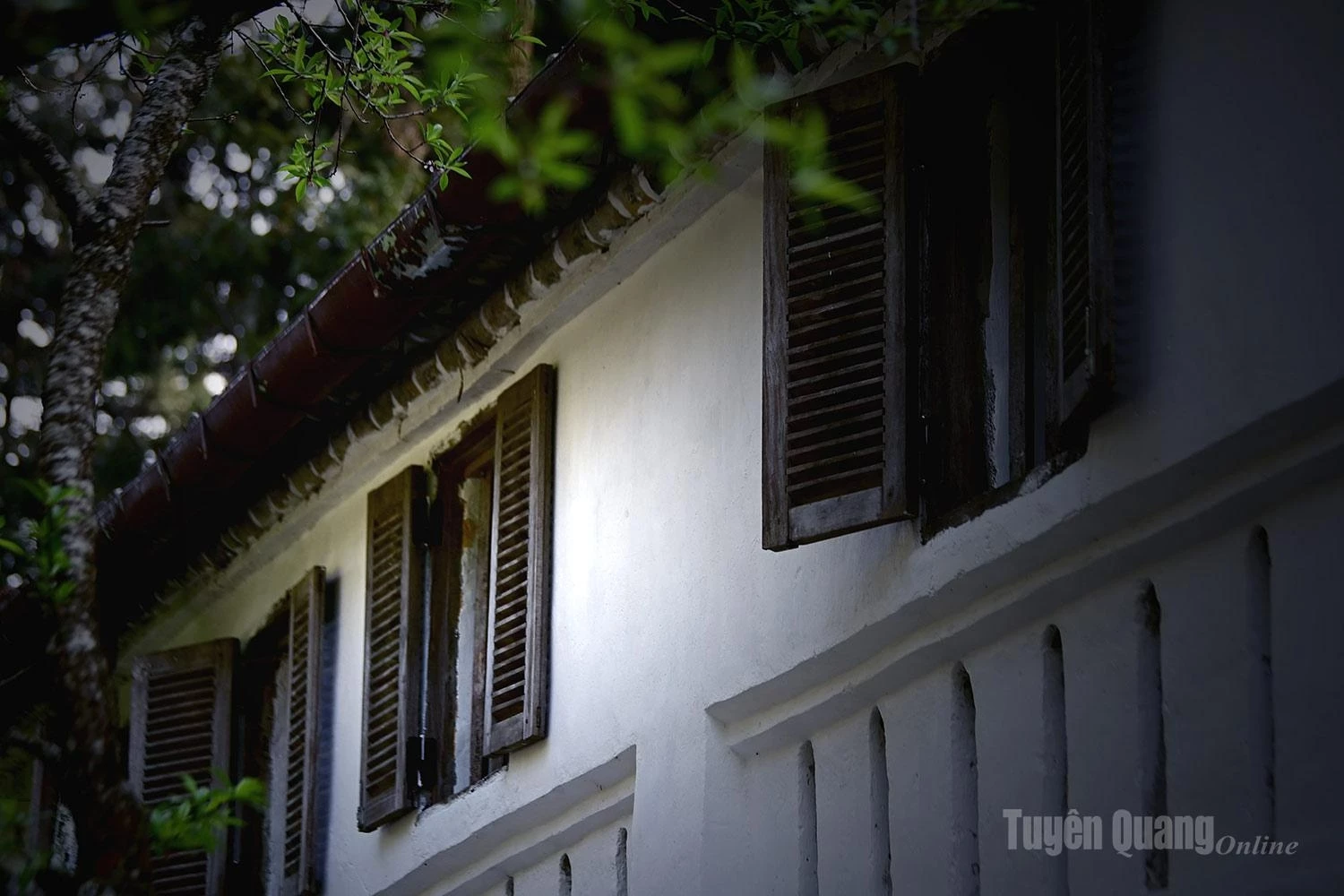 |
| Beyond being a residence, the Vuong mansion also served as the political and administrative center of the Hmong community in Ha Giang throughout the first half of the 20th century. |
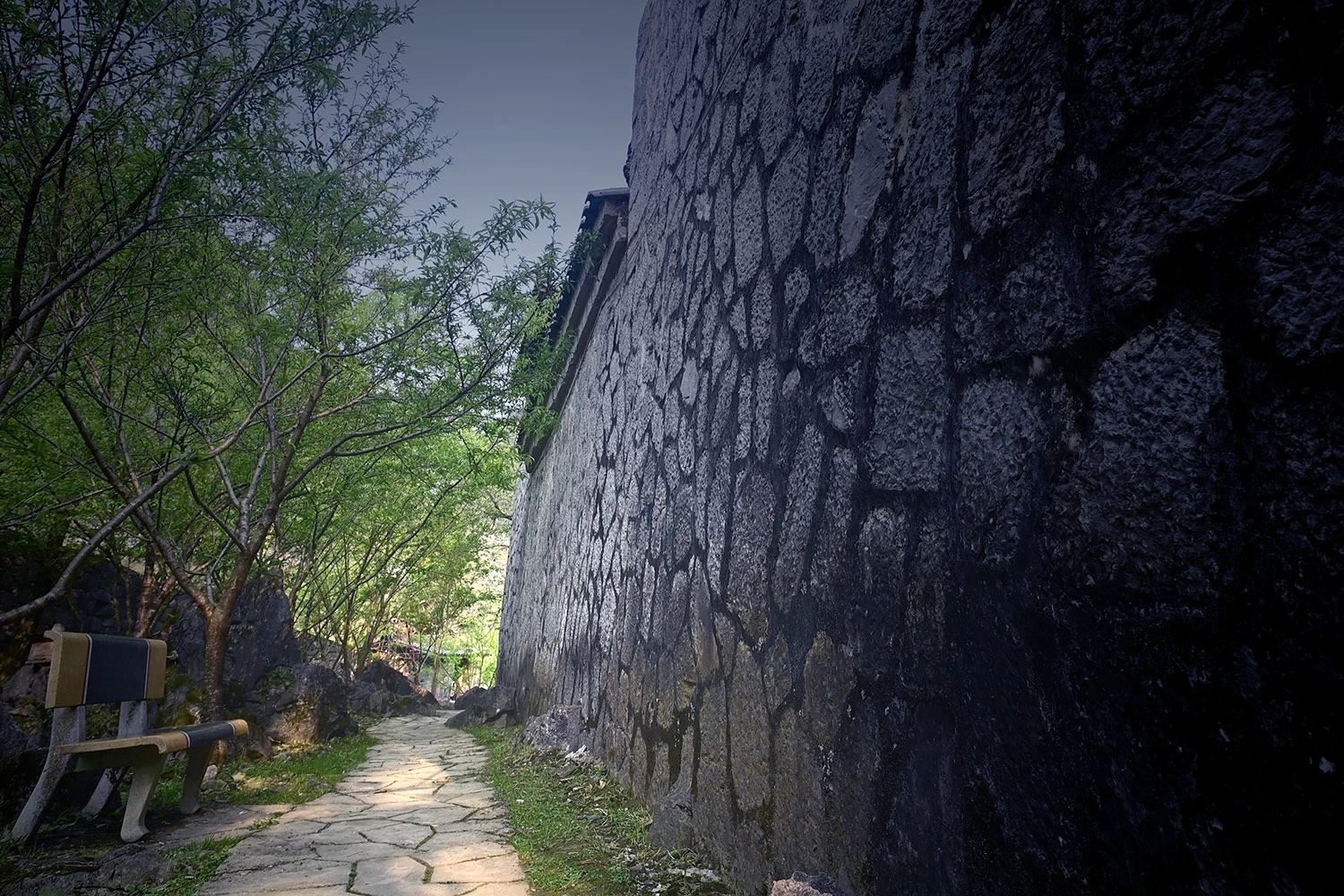 |
| The enclosing walls are made of stone, the roofs feature yin-yang tiles, and the framework uses rare stone pine timber. |
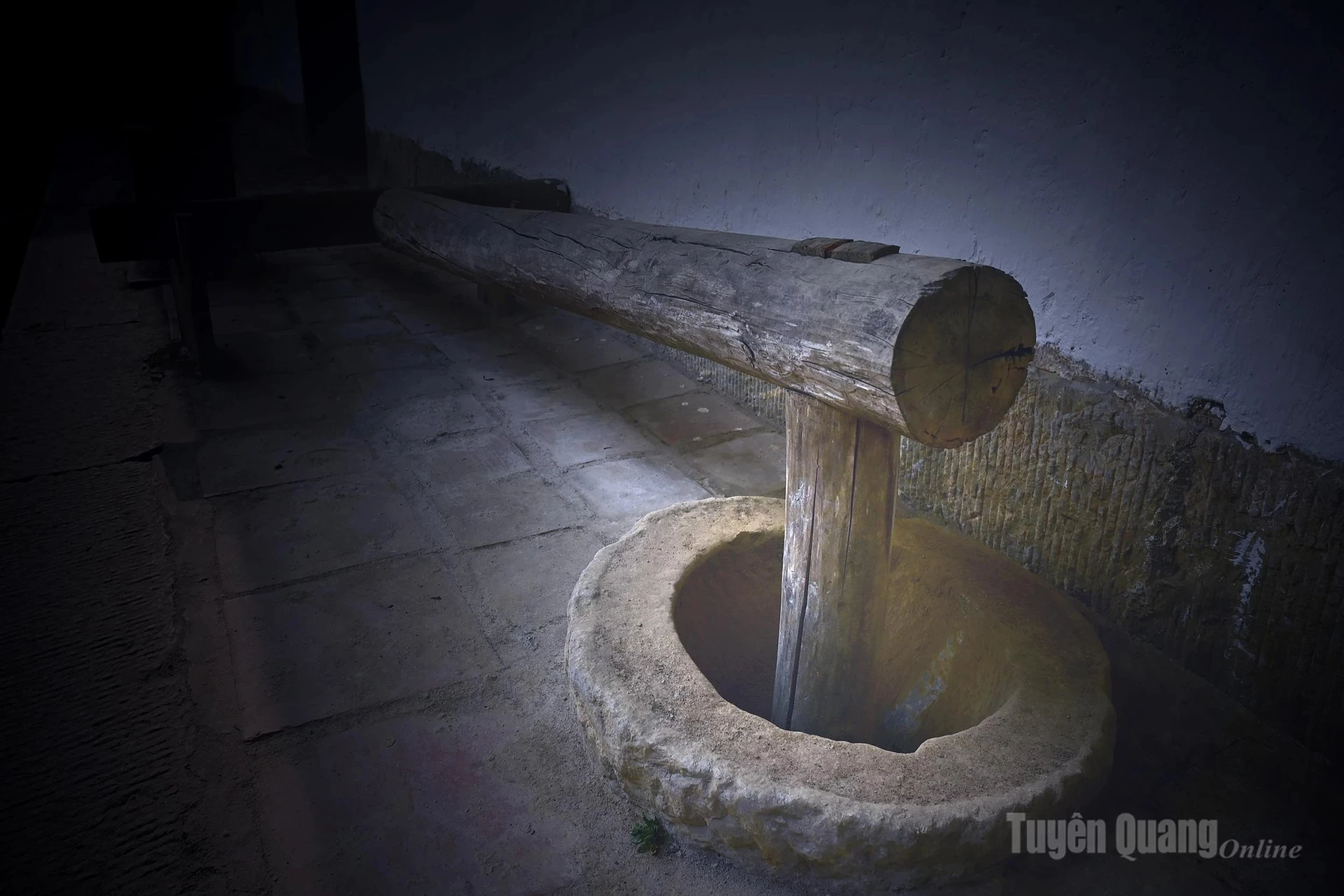 |
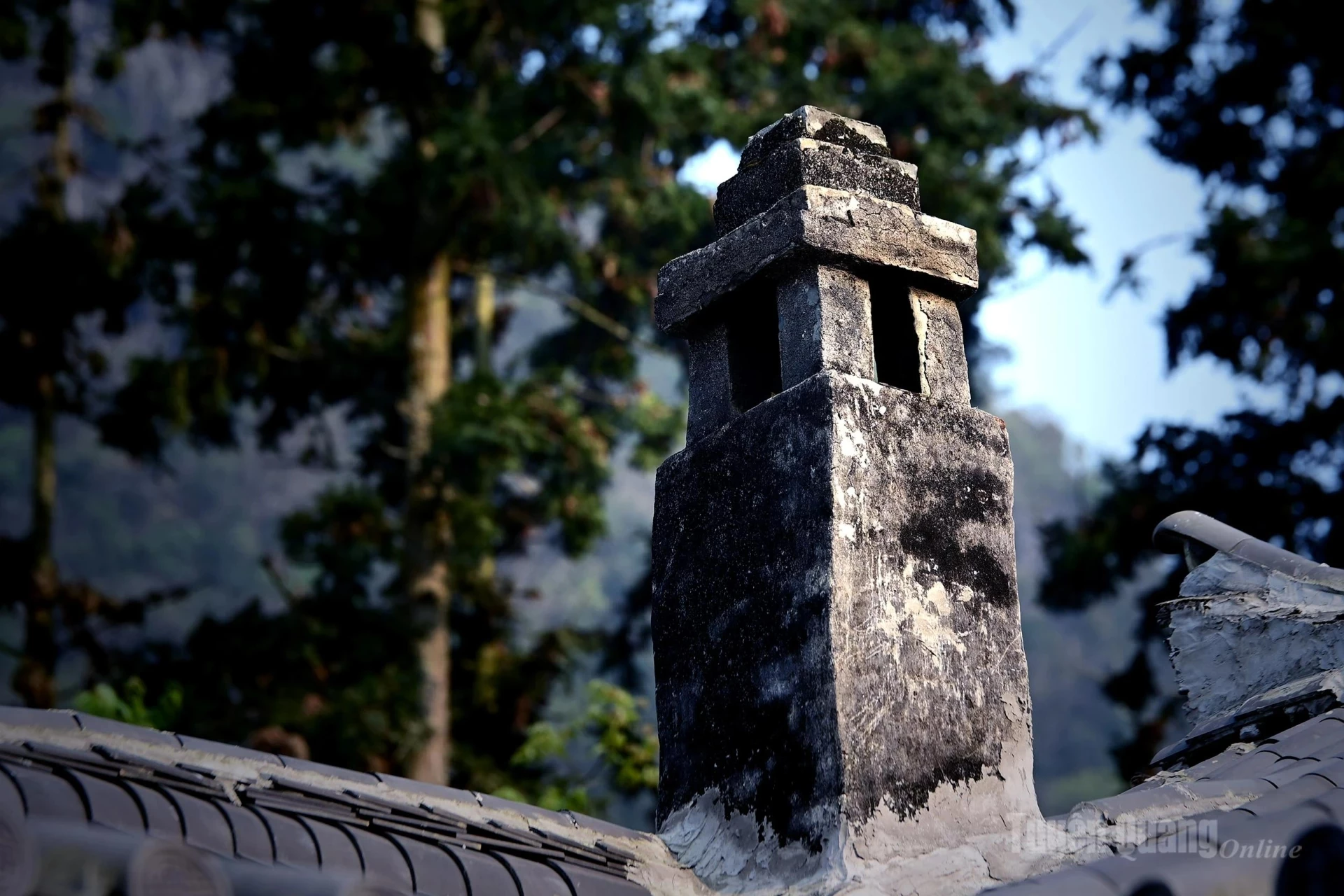
| Within the complex are additional functional areas such as kitchens and food storage facilities. |
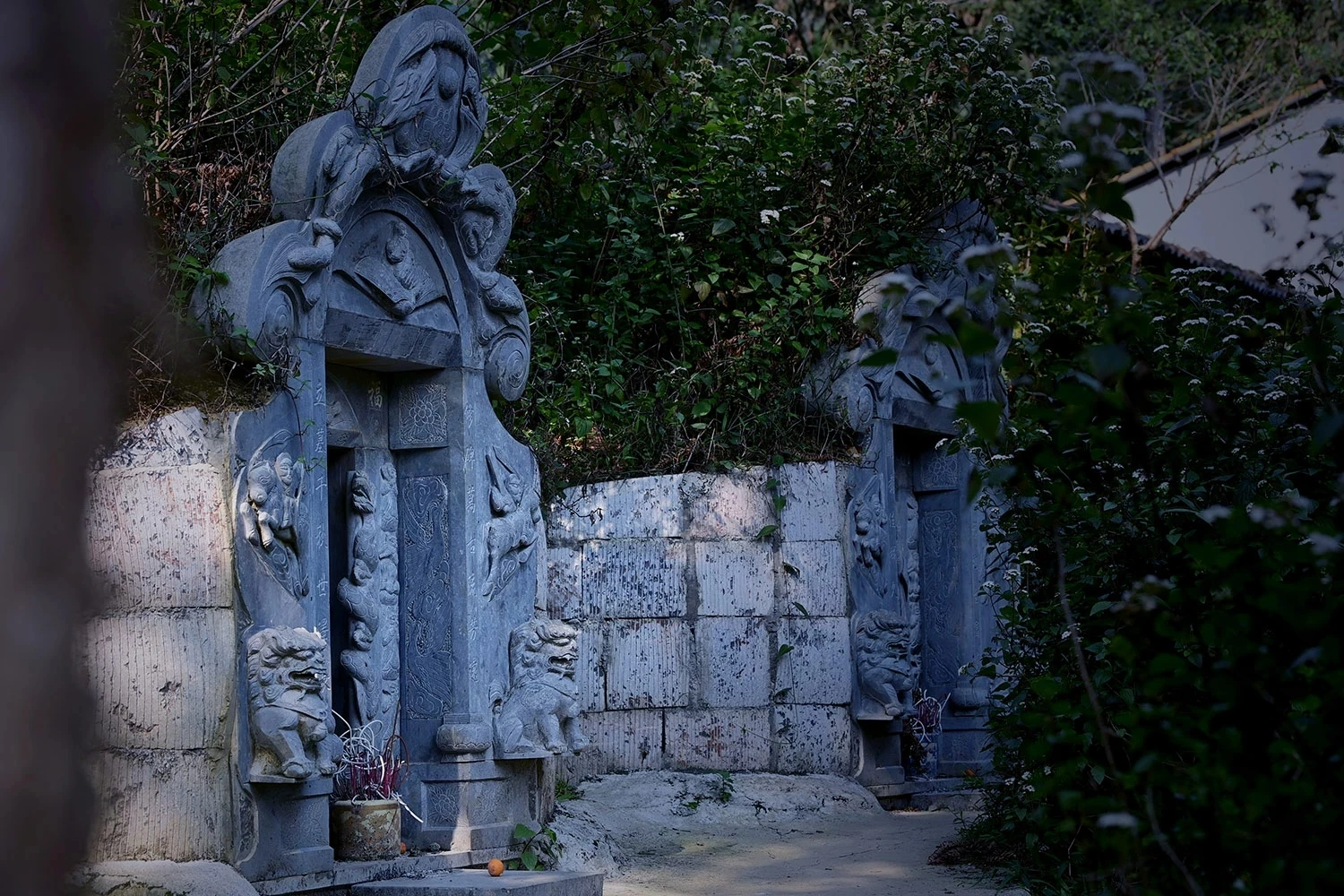 |
| Members of the family who passed away were buried in the surrounding grounds of the mansion. |
Viet Hoa



READER COMMENTS