10:53, 08/03/2026
The Dao ethnic group in Tuyen Quang have still preserved many traditional customs and practices, particularly life-cycle rituals, among which the Cap Sac ritual is one of the most important. This ritual recognizes a man’s transition into adulthood among all Dao subgroups. It marks a significant milestone in a man’s life and is also an indispensable spiritual practice in the cultural and religious life of the community.
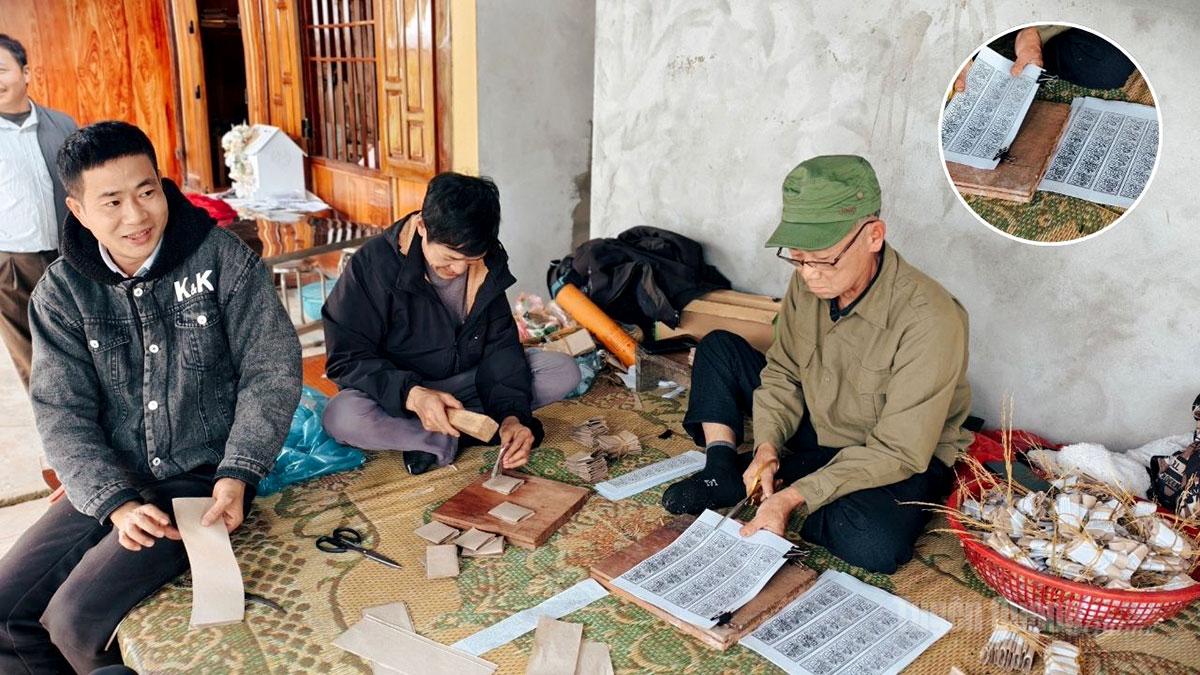 |
| The Cap Sac ceremony on this occasion was held at the home of Dang Tien Hoa in Na Mu village, Hong Thai commune, Tuyen Quang province. The ceremony began with the ritual of welcoming the ritual masters and their assistants who came to conduct the ceremony. |
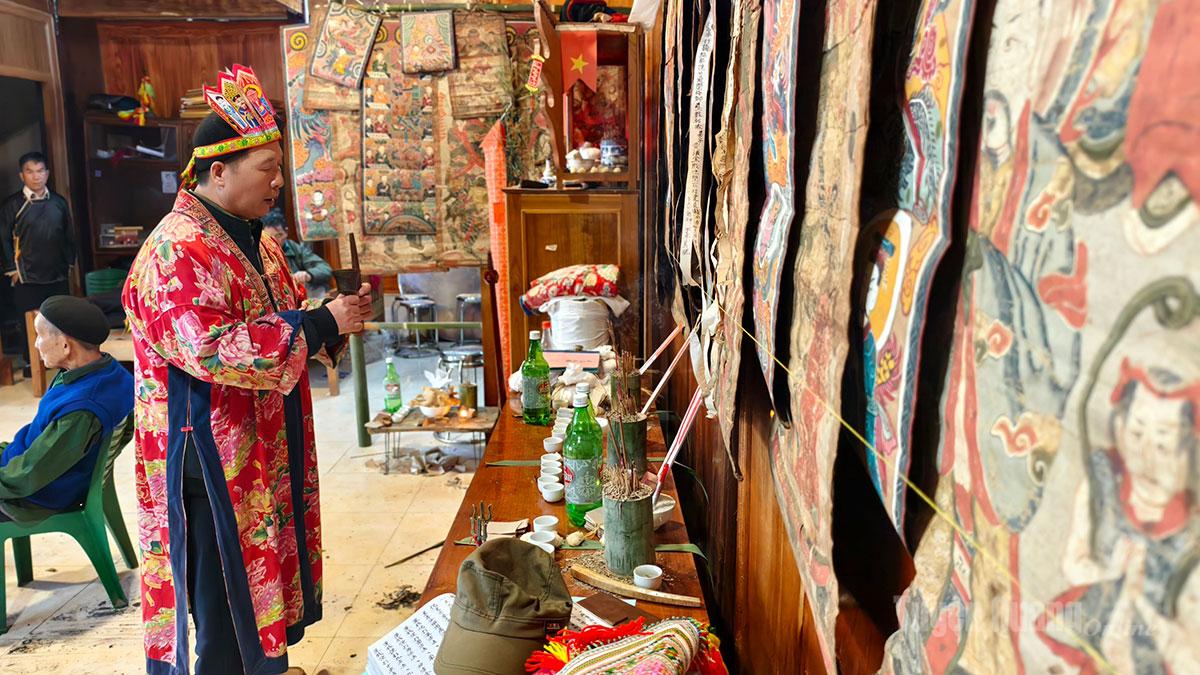 |
| Before going to perform the ceremony, the ritual master burned incense at his family altar to ask permission from his ancestors, seek their blessings, and request to bring the deities with him to the home of the initiate in order to carry out the Cap Sac ritual. |
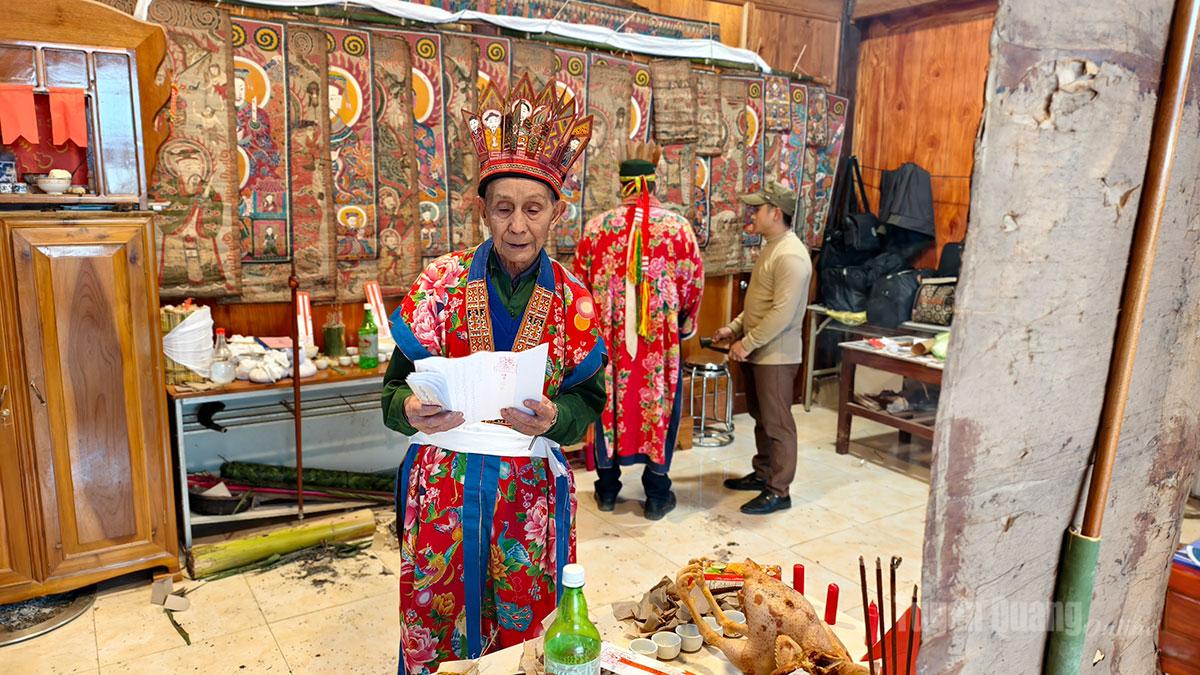 |
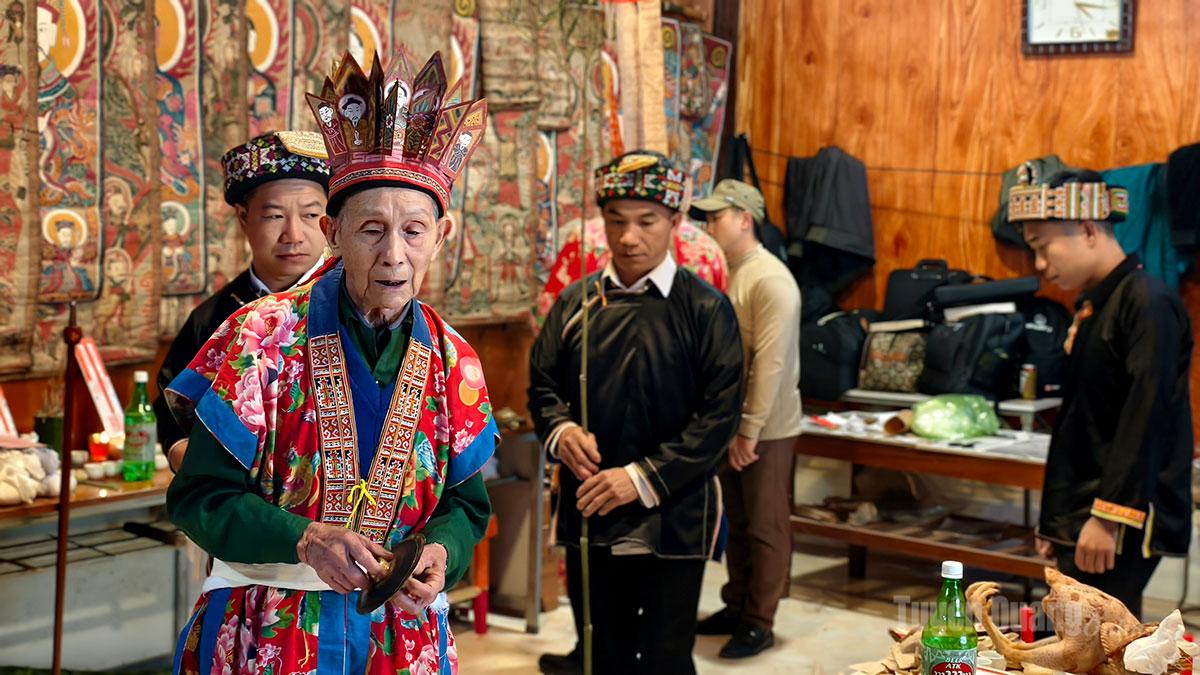
| Ritual masters who are knowledgeable about customary laws preside over and guide the entire Cap Sac ceremony. |
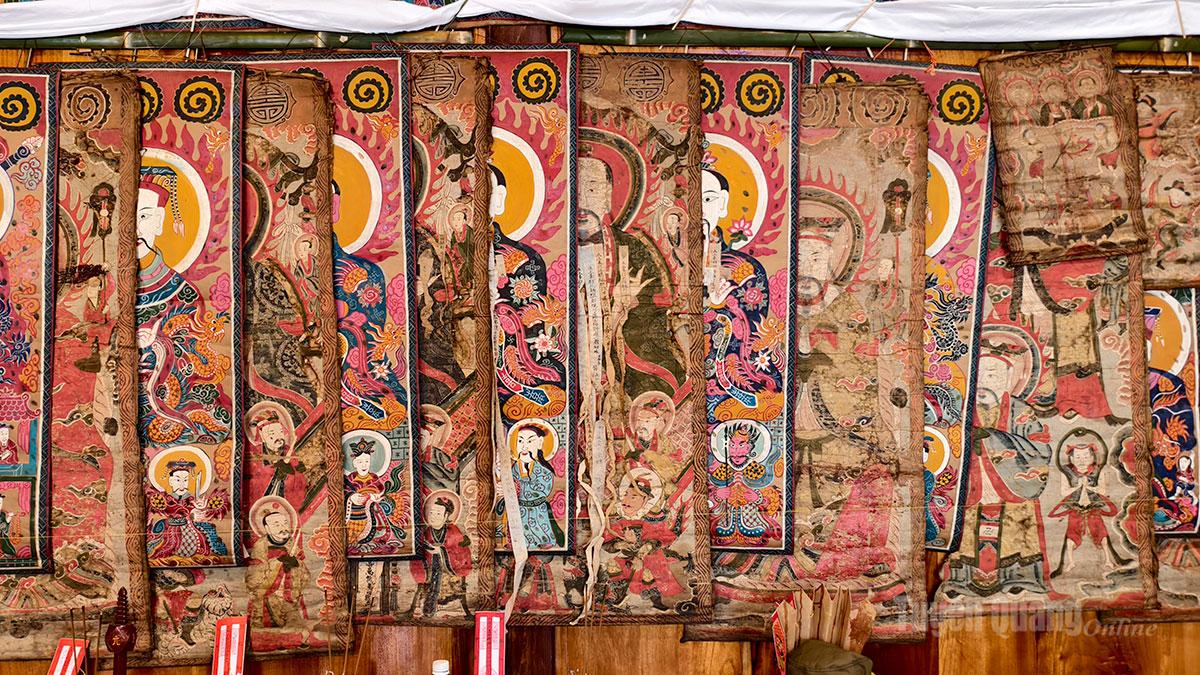 |
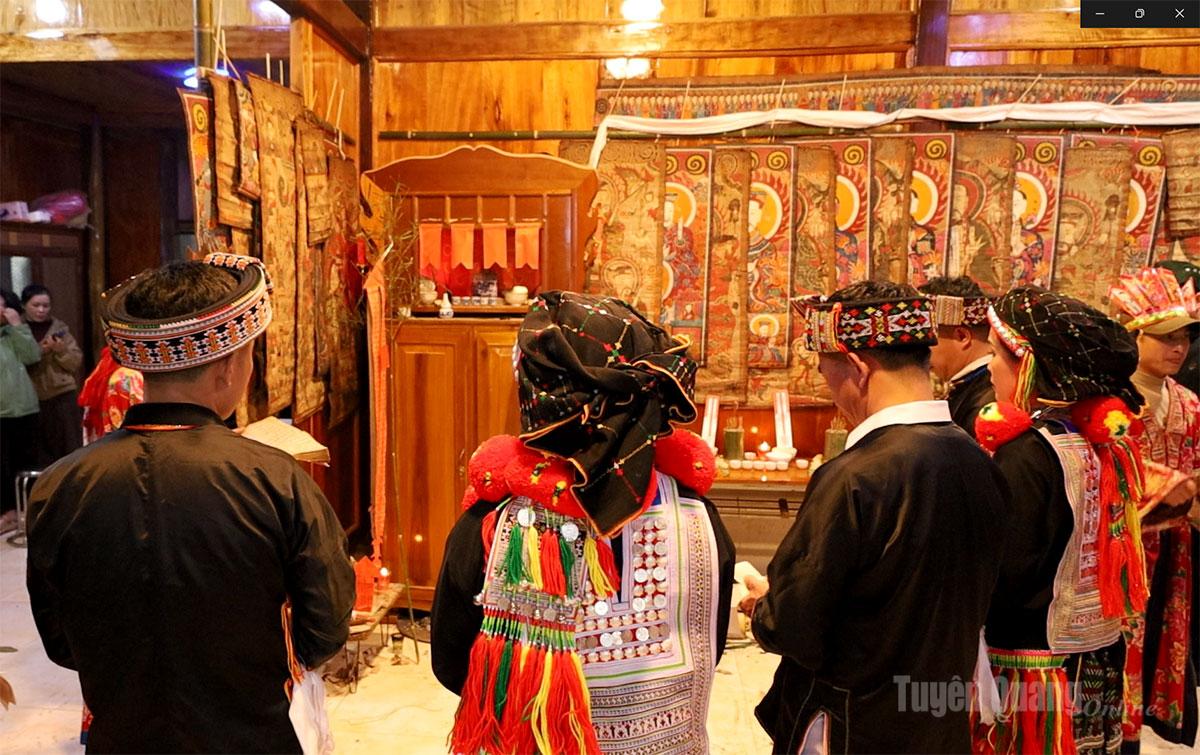
| After completing the rites to worship ancestors and deities, the ritual master and his assistants hang sacred paintings and set up frames to display the ceremonial documents (sacred petitions) of the initiates. These documents contain detailed information such as full name, date and time of birth, and the names of family members. |
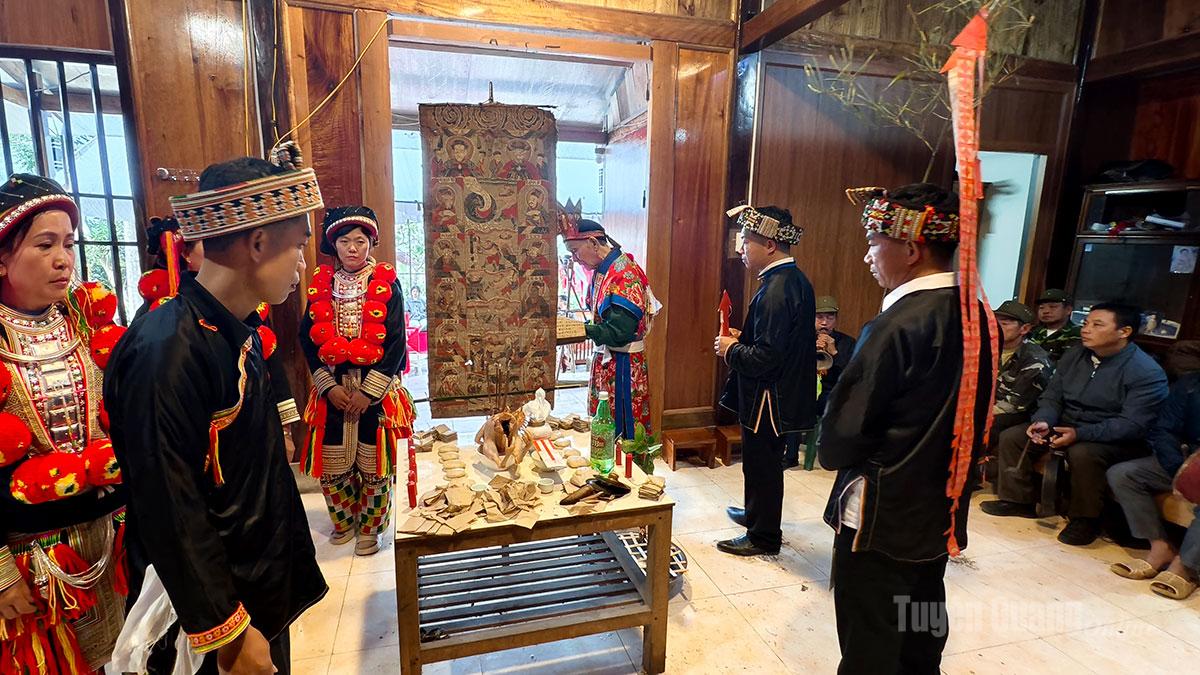 |
| The main offering table is placed at the central position inside the host family’s house. |
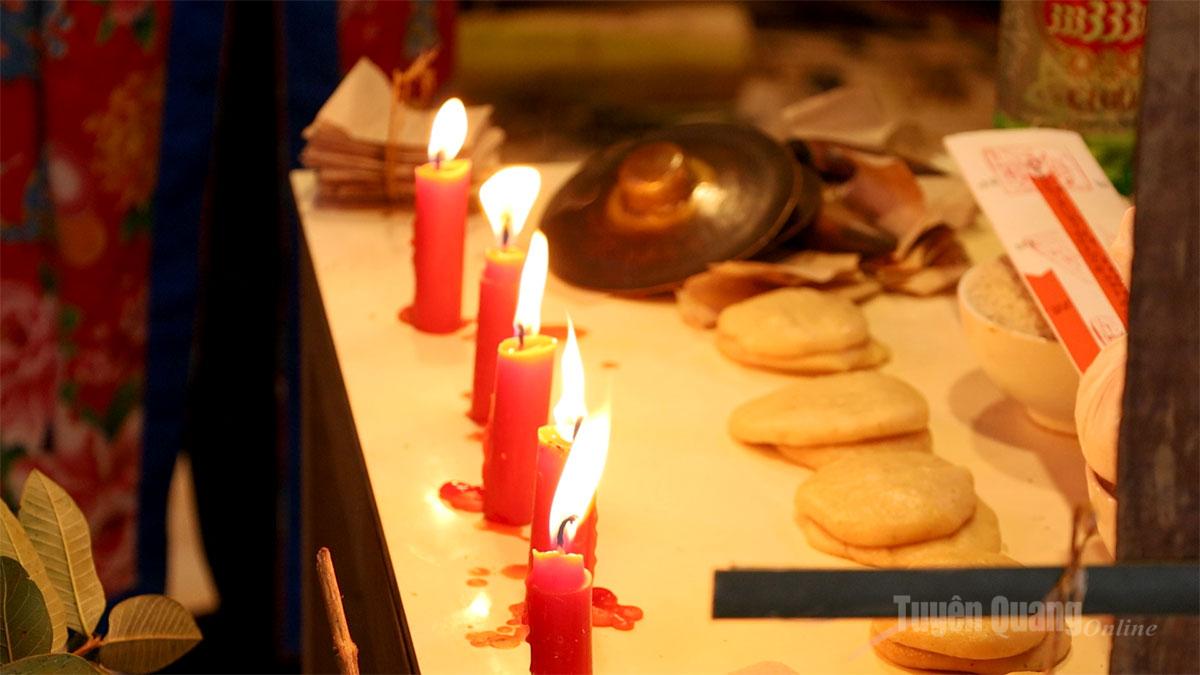 |
| Around the house, smaller altars are also arranged to symbolically invite deities to come and protect the ceremony so that it proceeds smoothly. |
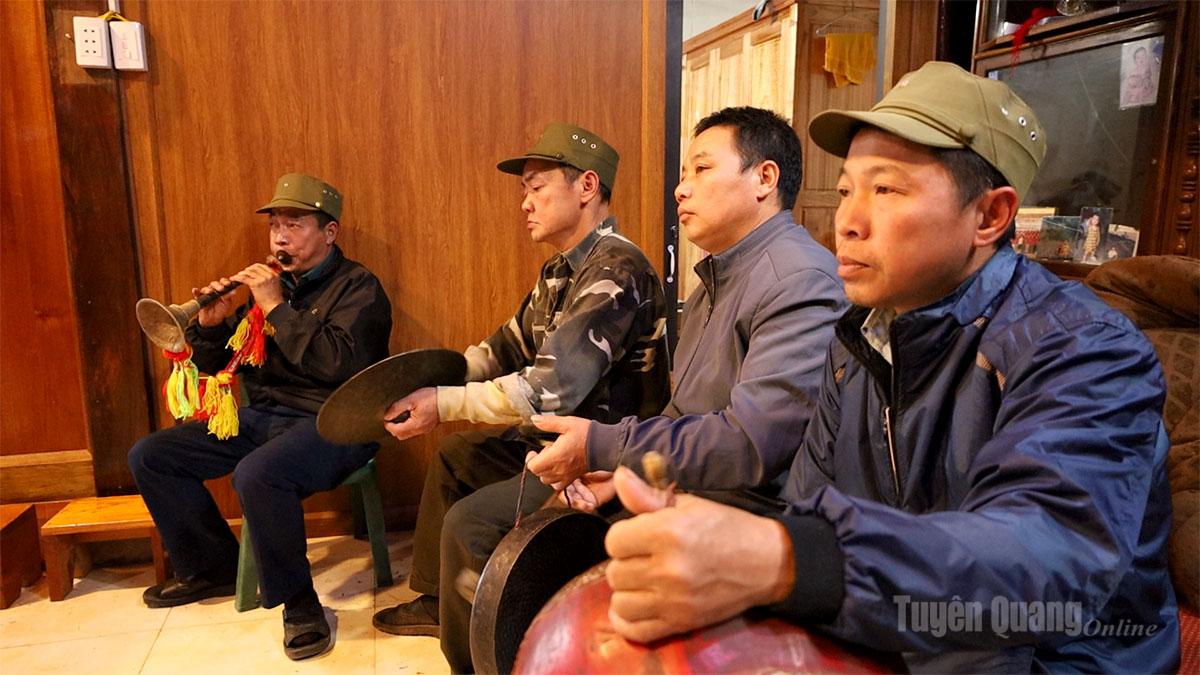 |
| Ritual objects such as seals, ceremonial lamps, initiation costumes, along with traditional music instruments (drums, gongs, horns) and ritual dances, are not only components of the ceremony but also important means of cultural expression. |
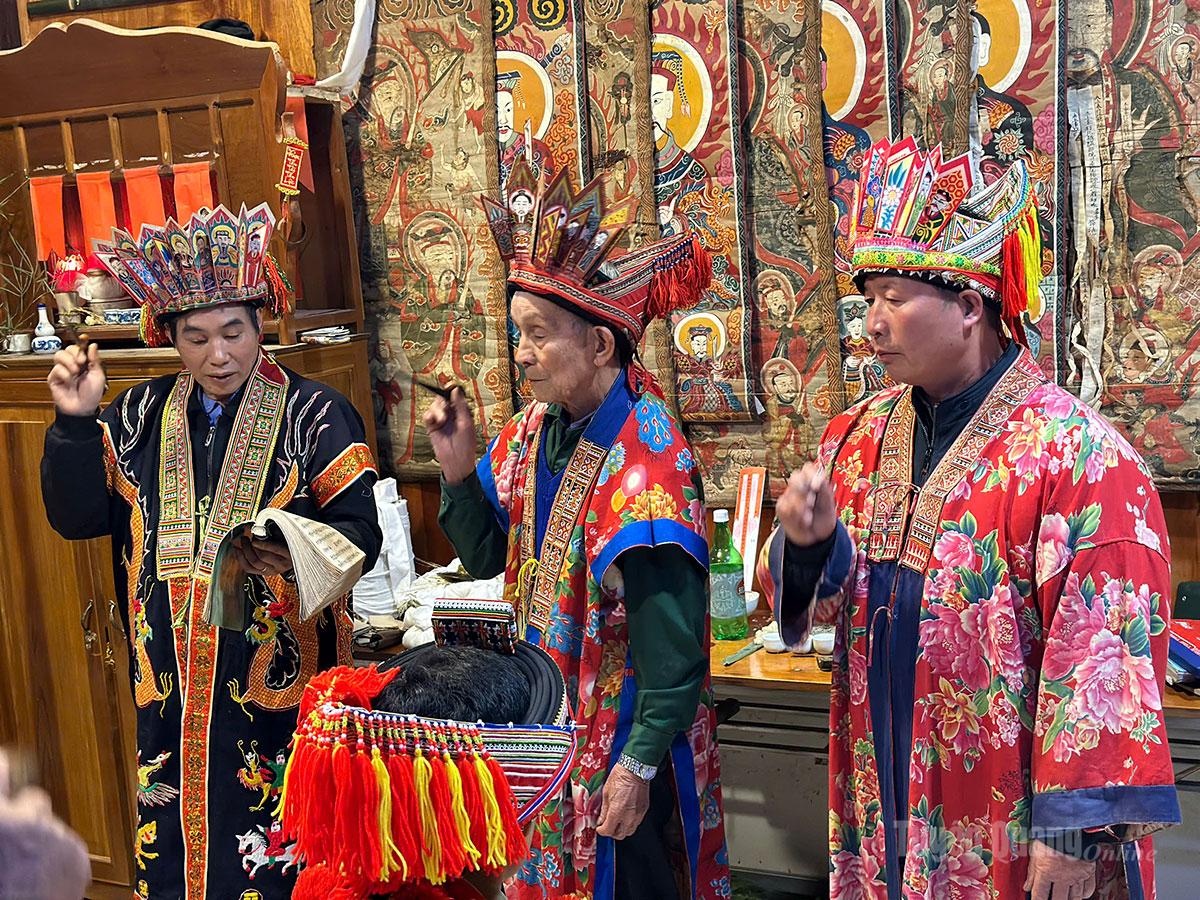 |
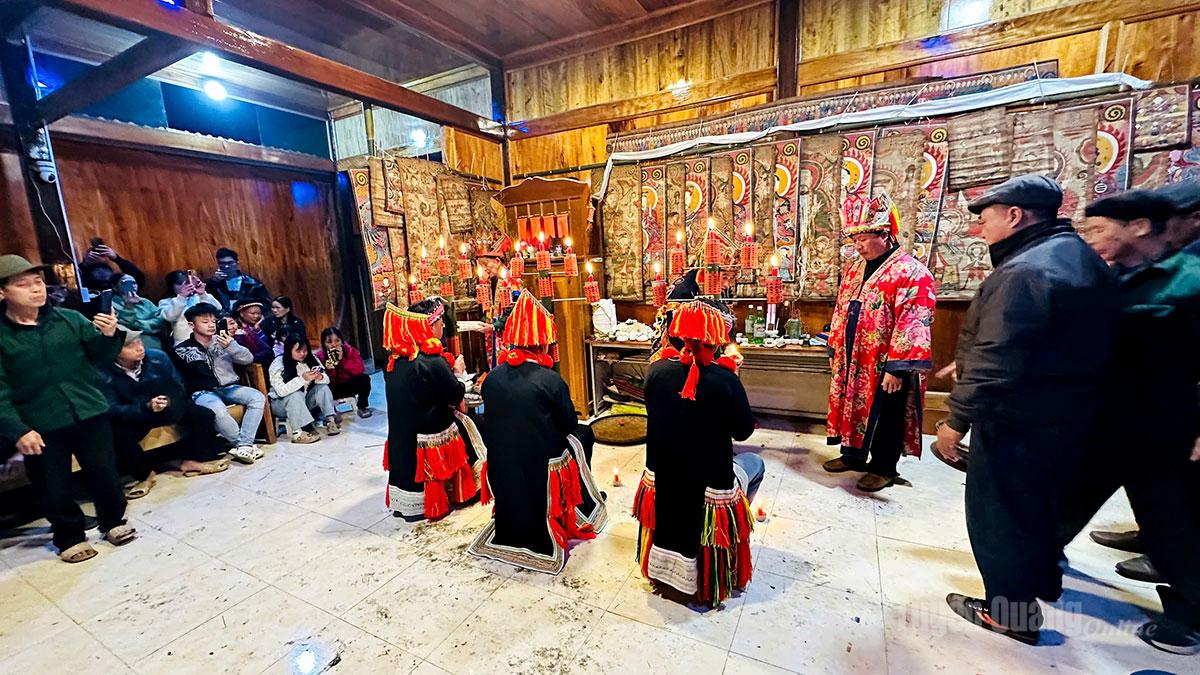
| Three ritual masters perform the lamp-granting ritual for the initiates. Among the Red Dao in Tuyen Quang, Cap Sac ceremonies usually involve three-lamp or seven-lamp initiations, while only clan leaders are eligible to hold the highest level ceremony with twelve lamps. |
 |
| On the first main ceremonial day, the ritual master leads the initiates to the ritual altar to conduct a ceremony of presenting spiritual troops and reporting to the Jade Emperor. |
 |
| After that, they return to the house, walk around the ceremonial space, and perform the turtle dance to report the ceremony to their ancestors. |
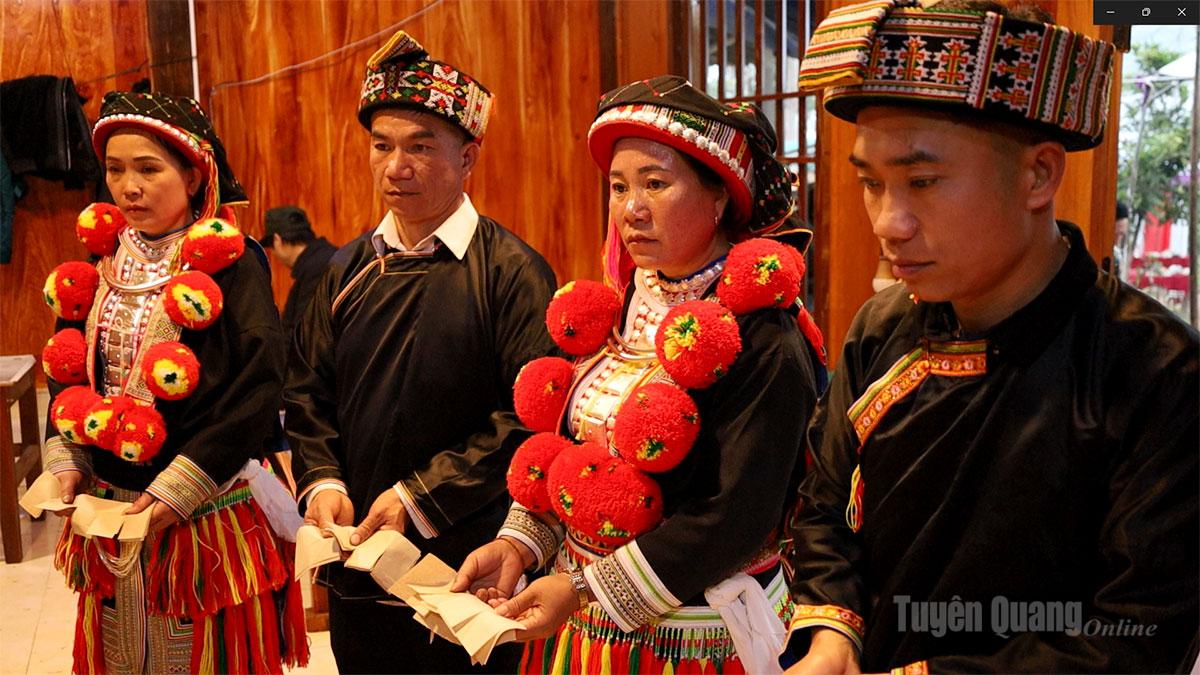 |
| Men participating in the ceremony must wear ceremonial hats decorated with images of seven deities and dress in traditional clothing, as it is believed that these are the places where the spirits reside within those receiving the initiation. |
|
|
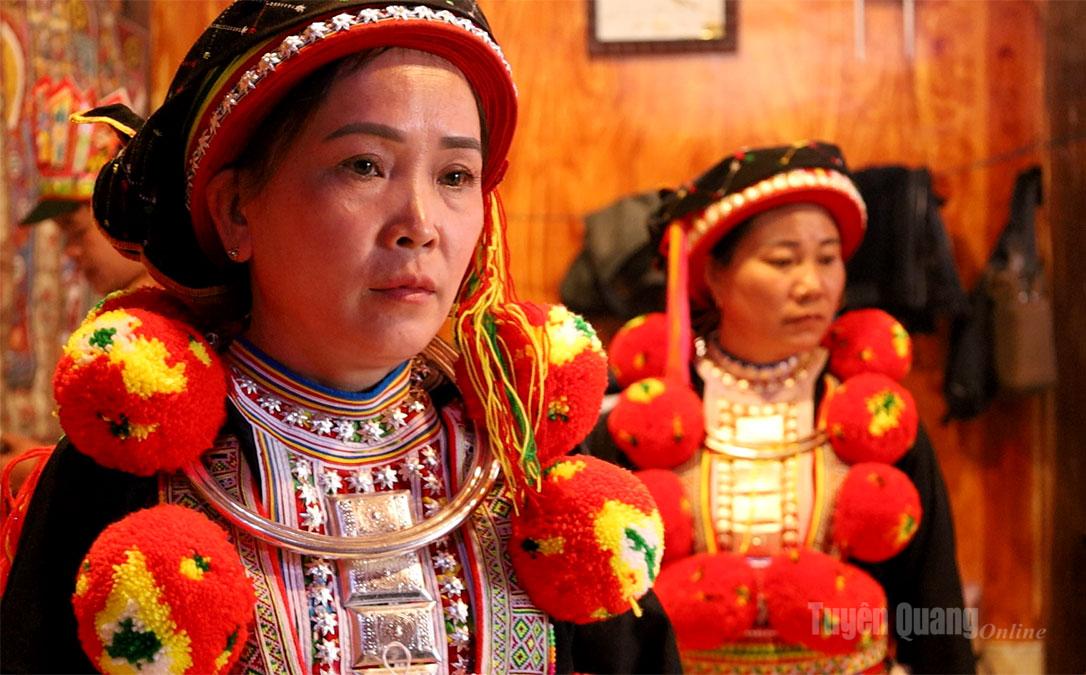
| Red Dao women take part during the period when the initiation procedures are being conducted. |
|
|
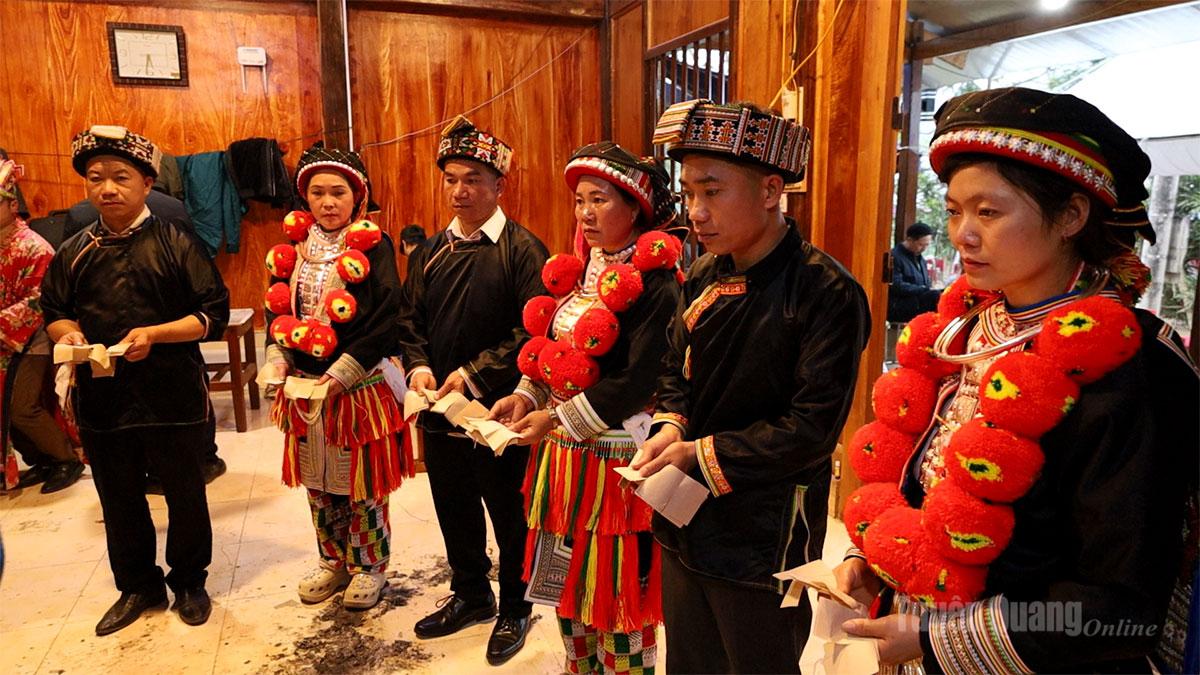
| Married couples pass through two ceremonial gates, and those wishing to go through must offer money and candies. |
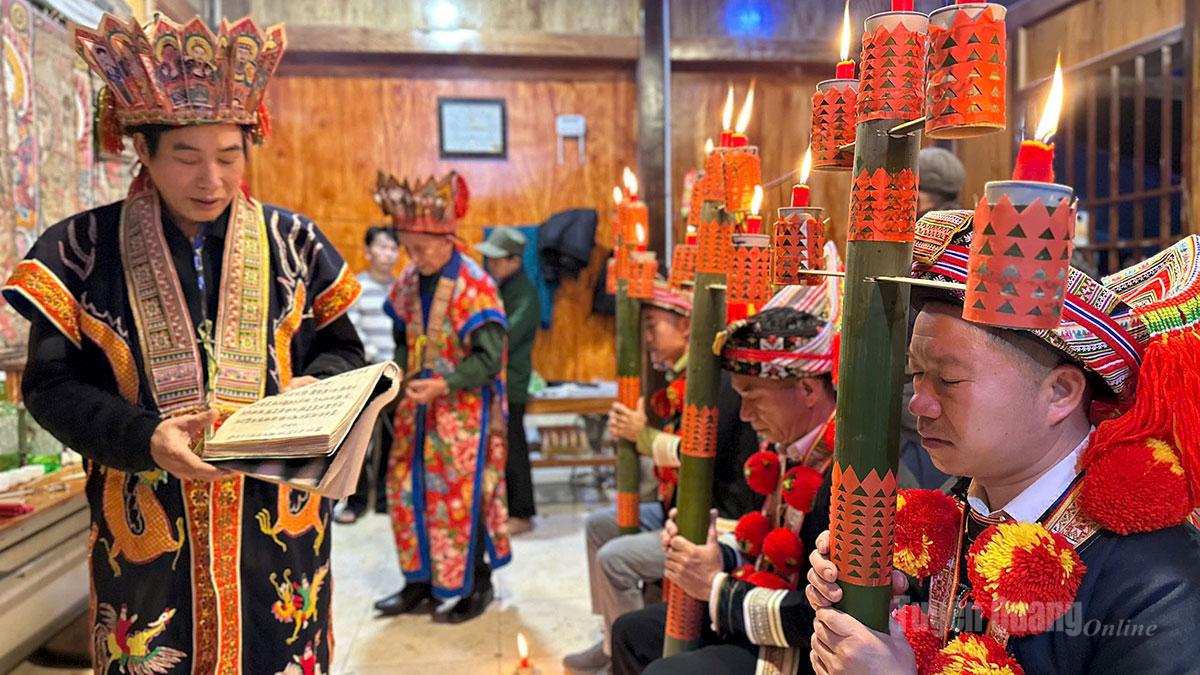 |
| The ritual of transmitting sacred spells to the initiates is one of the most important rites of the Cap Sac ceremony. Only after receiving all the spiritual teachings and charms is a Red Dao man considered truly mature and recognized with a position in society. |
 |
| After completing all the procedures, the initiates receive the ceremonial seal of initiation from the ritual masters. |
Luu Khiem



READER COMMENTS