
Middle East crisis spurs push for energy independence
The military conflict in the Middle East has triggered an unprecedented energy shock with far-reaching consequences across the globe. At the same time, it has created momentum for countries to build resilient energy defence lines for their economies. Securing energy self-sufficiency is being prioritised by an increasing number of nations as a key factor in ensuring economic stability and national security.
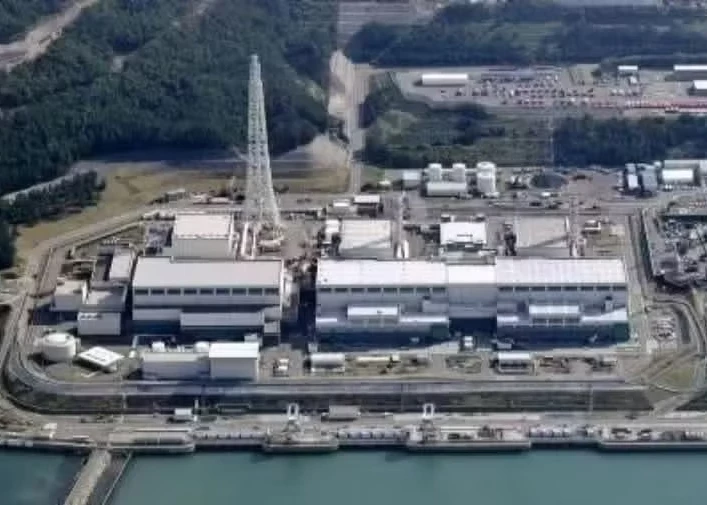 |
| The Kashiwazaki-Kariwa Nuclear Power Plant in Japan's Niigata Prefecture. (Photo: Kyodo/VNA) |
After years of disruption following the Fukushima nuclear disaster in 2011, nuclear power has recently returned to the centre of Japan’s energy policy. The country has announced plans to construct dozens of additional nuclear reactors, gradually increasing the share of nuclear power in electricity generation to around 20% by 2040 - double the current level.
Having abandoned nuclear energy in November 1987 following a national referendum held after the 1986 Chernobyl disaster, Italy has also recently reversed course. The country’s lower house of parliament has passed a framework bill on sustainable nuclear energy development, with the aim of reducing dependence on external energy supplies.
Alongside Japan and Italy, many countries around the world have decided to revive nuclear power and accelerate the development of renewable energy. These moves not only mark the remarkable return of nuclear energy after years of decline and reaffirm the increasingly important role of renewables, but they also demonstrate the determination of countries to achieve greater energy self-sufficiency.
It is no coincidence that economies across Asia, Europe, the Americas, Africa, and the Middle East have been urgently adjusting their energy security strategies. The conflict in the Middle East has exposed longstanding vulnerabilities within both the global energy system and the energy structures of many individual countries.
Excessive dependence on imported fuels has left economies in a precarious position, making them highly vulnerable to geopolitical conflicts. Without control over energy supplies, any disruption can quickly lead to shortages, break production chains, and create serious vulnerabilities. As a result, the lifeblood of the economy becomes subject to unpredictable developments in the international environment, which are often beyond any country’s control.
As soon as operations in the Strait of Hormuz - a critical route for transporting significant volumes of oil and liquefied natural gas (LNG) - were disrupted, global oil prices surged, gas supply chains were interrupted, and import-dependent countries found themselves at a disadvantage. Faced with this unexpected situation, many governments swiftly introduced emergency measures, including fuel price caps, market stabilisation funds, and even consumption restrictions. However, these are merely temporary solutions.
Analysts argue that, under current circumstances, energy security is no longer simply about maintaining adequate electricity supplies at affordable prices. It is also about securing control over energy sources and building resilience against geopolitical turbulence and sudden shocks in global markets.
For this reason, establishing a robust energy defence line is of critical importance to economies. The significance of such a defence line lies not only in immediate responses during times of crisis, but also in enabling economies to remain resilient and maintain stable operations even when global markets are shaken.
Beyond the current supply crisis caused by the conflict in the Middle East, the possibility of future energy shocks cannot be ruled out.
Meanwhile, demand for electricity to support economic development continues to rise, particularly with information technology, artificial intelligence (AI), and green transport technologies experiencing rapid growth. The International Energy Agency (IEA) forecasts that global electricity demand will increase by an average of more than 3.5% per year during the period from 2026 to 2030.
To develop AI, one of today’s most strategically important sectors, countries must ensure access to vast amounts of electricity to power data centres and high-performance computing systems. Energy is therefore a critical lifeline and one of the decisive factors shaping economic growth and competitiveness in the years ahead.
The current crisis is both a challenge and a catalyst for countries to accelerate their energy transition and move towards greater self-sufficiency. In an increasingly volatile world, this represents the strongest line of defence for safeguarding economic stability.
NDO


READER COMMENTS