
Ancient well preserves Tay heritage and supports community tourism
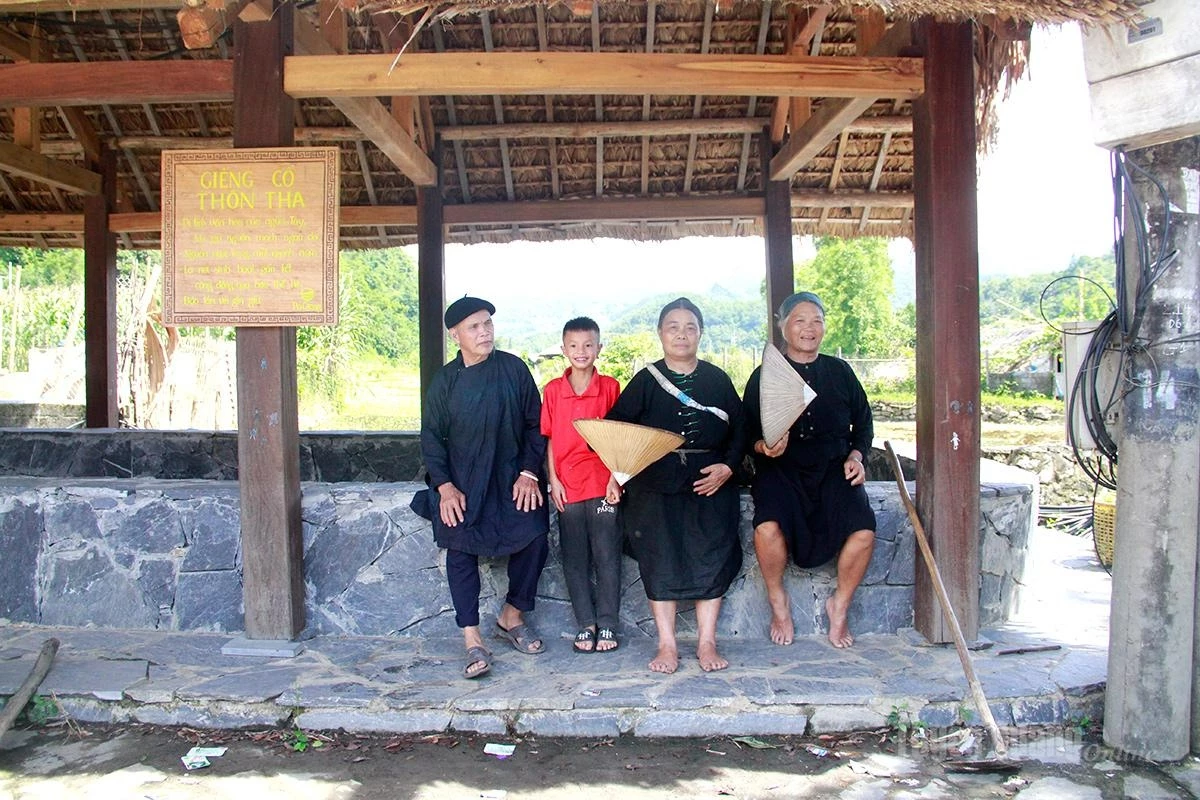
The ancient well in Tha Hamlet, H Giang 1 Ward, is a centuries-old cultural landmark closely associated with the history of the Tay community, which has inhabited the area for more than 800 years. Beyond serving as a year-round source of fresh water, the well preserves traditional cultural values and has become an important attraction for community-based tourism.
 |
| Nguyen So Be shares the story of the ancient well in Tha Village. |
Located at the heart of the hamlet beside traditional stilt houses, the well is fed by a natural underground spring. Its crystal-clear water remains cool in summer, warm in winter and continues to flow even during prolonged dry seasons. For generations, residents have relied on the spring for daily use and regard it as a precious gift from nature.
According to village elders, the ancient well holds a special place in the spiritual life of the Tay people. On the morning of the Lunar New Year, families gather at the well to collect the first water of the year, believing it will bring good fortune, abundant harvests and prosperity. The site has also long been associated with traditional cultural practices, including Then singing and Coi folk songs, while serving as a communal gathering place for generations of villagers.
Tha Hamlet is one of the oldest Tay settlements in Vietnam's northernmost region, with a history spanning more than eight centuries. The village has preserved many traditional cultural features, including palm-thatched stilt houses, the Long Tong Festival, the Lau Then Bjooc Ma ritual, and a distinctive rural landscape.
In recent years, local authorities and residents have worked together to conserve and enhance the area surrounding the ancient well as part of efforts to promote community-based tourism. Situated in the center of the traditional village, the well has become a popular attraction for visitors exploring Tha Hamlet, helping showcase the rich cultural heritage of the Tay people while contributing to sustainable tourism development.
Bien Luan


READER COMMENTS