
Pho Bang awakens through tourism
Following its merger with Pho La, Pho Cao and Lung Thau communes, Pho Bang now covers more than 77 square kilometers and is home to nearly 16,000 residents. Once known as a quiet border town, Pho Bang is gradually transforming itself through diversified economic development based on the strengths of the mountainous region, with tourism identified as a key driver of growth.
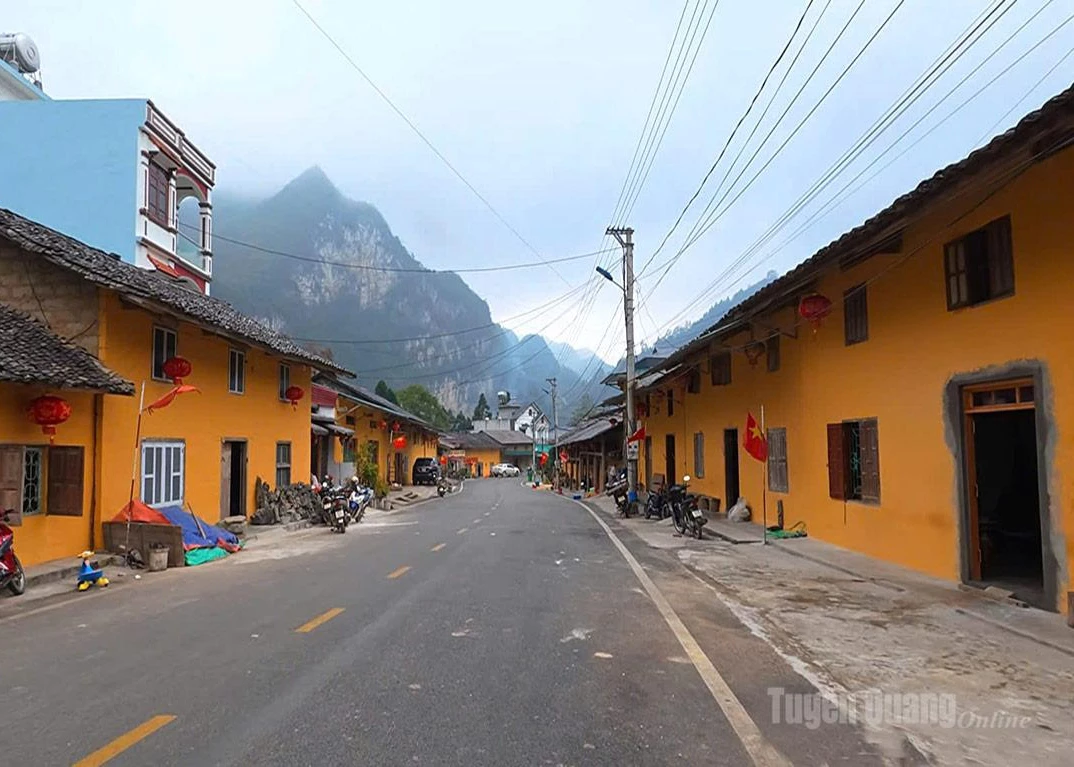 |
| The earthen-walled houses of Pho Bang, once part of a bustling trading town, have been preserved. |
One of Pho Bang’s most distinctive features is its well-preserved traditional earthen houses with moss-covered yin-yang tiled roofs, built by Hoa and Mong ethnic communities in villages such as Pho Bang 1, Pho Bang 2 and Lan Xi A. The ancient and tranquil atmosphere has become a rare cultural asset in today’s rapidly changing highlands. The area is also rich in cultural heritage, including the highland backward market, Gau Tao Festival, Pear Blossom Festival, and the forest worship and field-opening rituals of the Pu Peo ethnic group, both recognized as National Intangible Cultural Heritage.
Located along the famous tourism route of the Dong Van Karst Plateau Geopark, near Tham Ma Pass, Chin Khoanh Pass, Vuong Family Mansion and Lung Cu Flag Tower, Pho Bang enjoys favorable conditions for developing community-based tourism, eco-resorts and cultural experiences. Since the beginning of the year, the locality has welcomed nearly 50,000 visitors. Each season brings a different charm: winter clouds drifting over mossy rooftops, spring blossoms brightening old houses, and peaceful summers offering a quiet escape from urban heat.
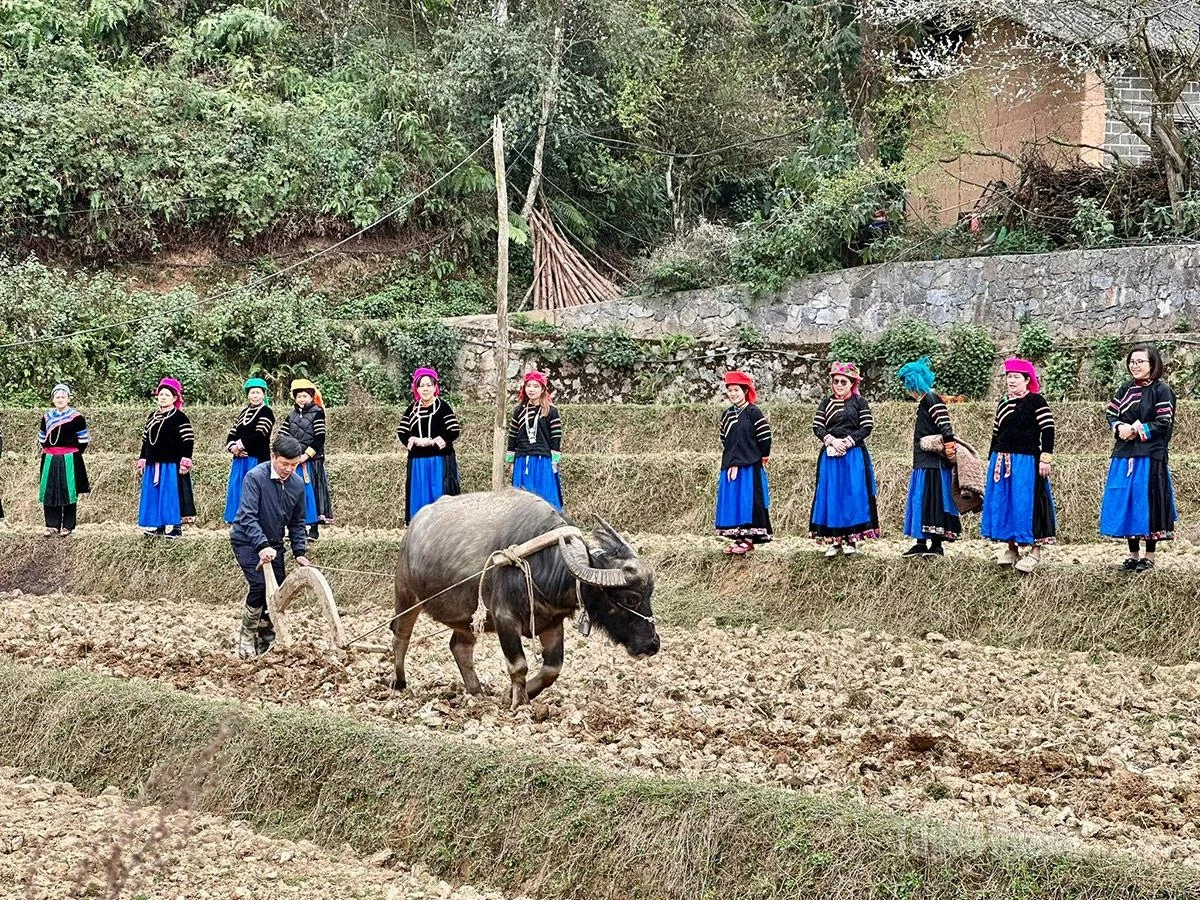 |
| The field-opening ceremony of the Pu Peo ethnic people in Pho Bang has been recognized as a National Intangible Cultural Heritage. |
Alongside tourism, new economic models are also creating momentum for local development. Homestays, experiential agriculture, livestock farming and medicinal herb cultivation are gradually expanding. Local people are experimenting with high-value crops such as angelica, Ngoc Linh ginseng and Paris polyphylla, while developing safe vegetable farms combined with pear, plum and peach blossom landscapes to serve tourism activities. These models are generating jobs, improving incomes and creating more sustainable livelihoods for ethnic minority communities.
New opportunities are steadily awakening Pho Bang after years of quiet isolation, while preserving the peaceful and rustic beauty that continues to make the mountain town unique.
An Giang


READER COMMENTS