
Green tourism
The current travel trend is shifting strongly toward nature, driven by a growing demand for tranquility, healing, and sustainable experiences. Travelers no longer seek merely to check in at famous destinations; instead, they want to immerse themselves in forests, mountains, seas, and local cultures to recharge and build a deeper connection with the environment.
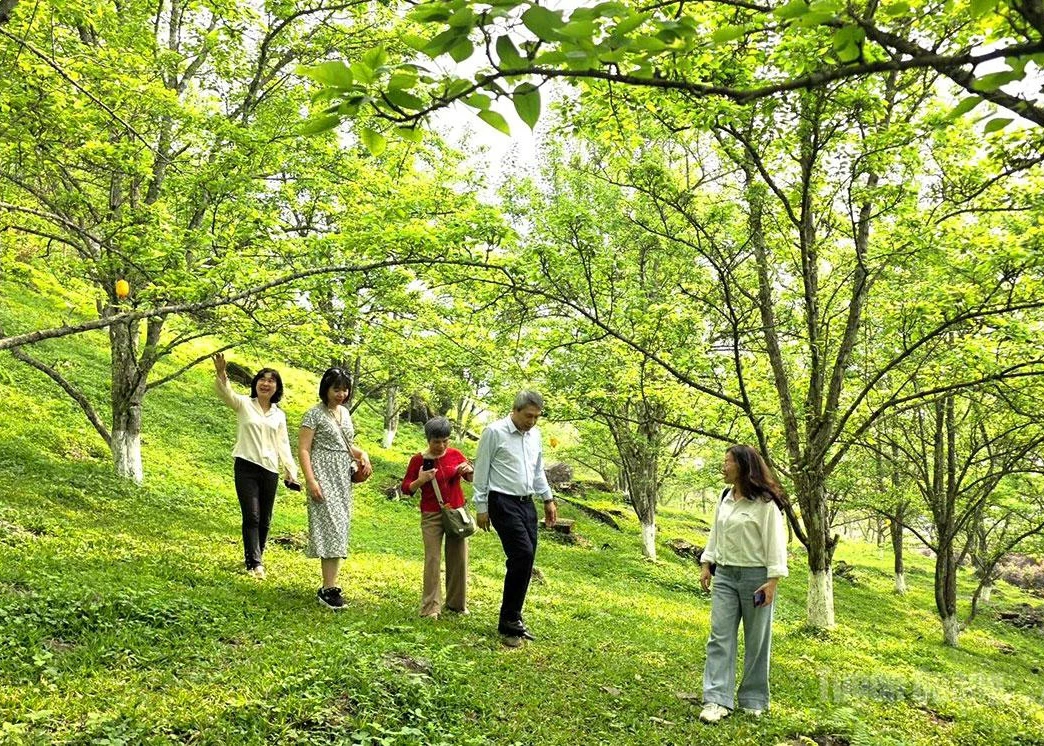 |
During the April 30 and May 1 holiday this year, many families chose destinations close to nature. Instead of rushing through multiple places in a short time, travelers are spending several days exploring a single region - engaging in community-based experiences, joining local festivals, learning traditional crafts, and living alongside local people. They are drawn to peaceful, less crowded places that emphasize rest and simplicity, allowing them to “heal” their minds and set aside the pressures of daily life.
Nature-based tourism reflects the modern desire for a slower, greener, and healthier lifestyle. This is not only a personal choice but also a long-term development direction for the tourism industry, helping balance economic benefits with environmental responsibility. Therefore, each locality must prioritize preserving pristine landscapes such as forests, mountains, rivers, and lakes, avoiding overdevelopment and concrete expansion. They should also define unique nature-based tourism products, such as experiential travel, camping, ecotourism, and retreats. Investing in eco-friendly infrastructure is key to attracting visitors. Roads to tourist sites should be convenient, but not at the expense of natural scenery. At the same time, digital technology should be applied to promote destinations and guide travelers in accessing tourism services.
Destinations that remain largely untouched, preserving their natural beauty and indigenous cultural practices, continue to attract both domestic and international visitors. In addition, tourists increasingly seek connections with local communities. Residents become tour guides or homestay hosts, offering authentic experiences. They are also trained in ecotourism skills, enabling them to increase their income while preserving their cultural heritage.
To attract travelers to nature-oriented destinations, localities must maintain their natural authenticity, invest in eco-friendly infrastructure, foster community engagement, and develop sustainable tourism products. This is not only a trend but also an opportunity for each destination to strengthen its position in the tourism sector.
Nguyen Hang

READER COMMENTS