Dong Van Karst Plateau: A 15-year journey from heritage to global brand
Fifteen years after being recognized by UNESCO as a Global Geopark, Dong Van Karst Plateau has emerged as a symbol of sustainable development at Vietnam’s northern frontier. From a once harsh rocky land, Dong Van today stands as an internationally recognized cultural and tourism destination, where geological heritage, community identity, and aspirations for renewal blend into a symphony amid the mountains.
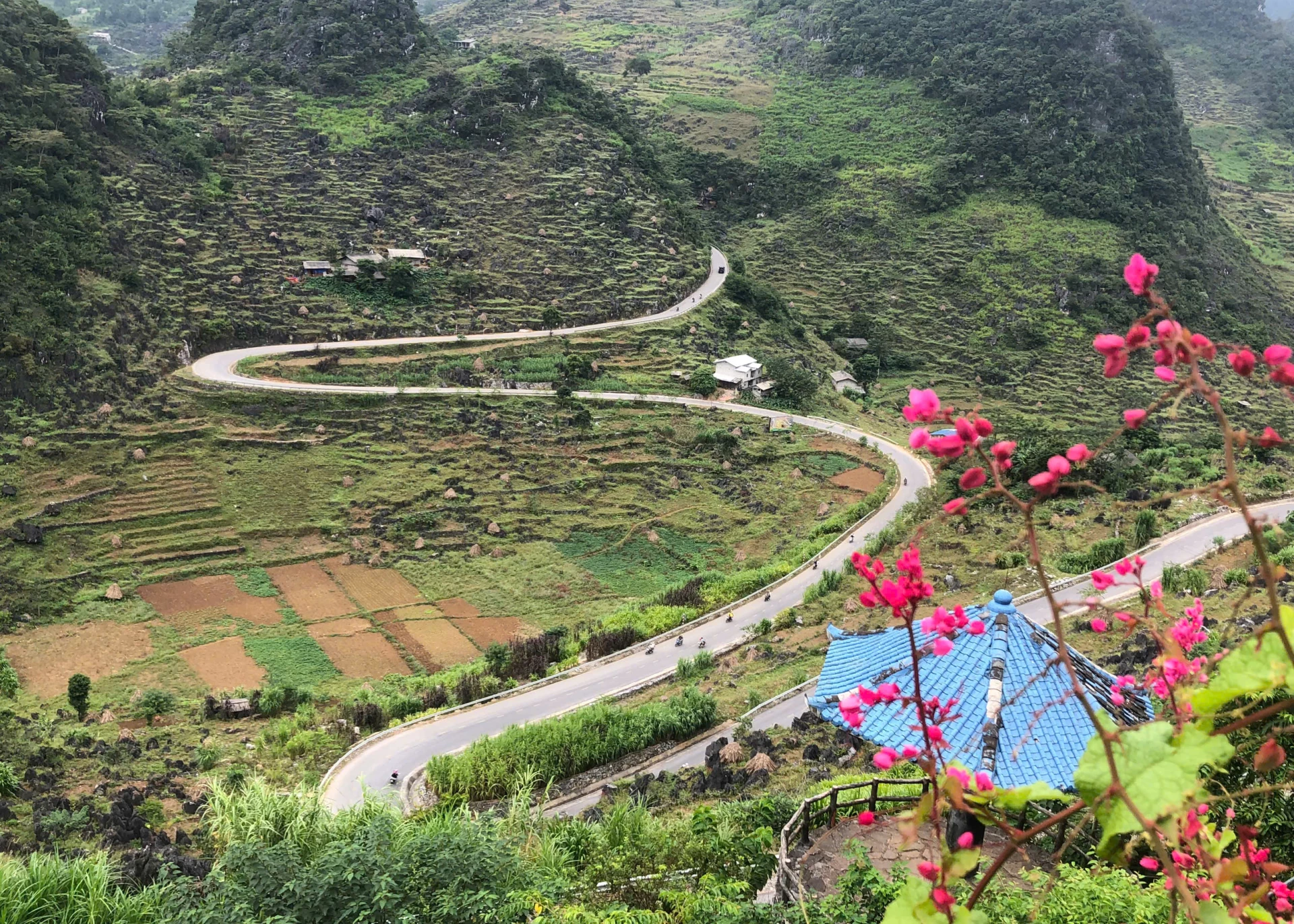 |
| The M-shaped bend, one of the most famous scenic viewpoints on the Dong Van Karst Plateau. |
Located at an altitude of over 1,200 meters and covering 2,350 square kilometers with 139 heritage sites, the karst plateau is often described as an “outdoor geological museum” preserving hundreds of millions of years of Earth’s history. Valuable fossils, dramatic karst valleys, spectacular caves, and distinctive limestone formations define its outstanding global value. In October 2010, UNESCO officially designated Dong Van as Vietnam’s first Global Geopark, opening up new development opportunities for the locality.
After 15 years, Dong Van has successfully passed three revalidation cycles, retaining UNESCO’s “Green Card” status. Numerous projects on cultural preservation, community-based tourism, and infrastructure development have been implemented. The region now hosts more than 1,600 accommodation facilities, nearly 5,000 commercial establishments, and 73 officially recognized service points and homestays affiliated with the Geopark. In 2024 alone, the area welcomed over two million visitors, generating approximately VND4 trillion (around USD160 million) in tourism revenue and creating jobs for about 8,000 direct workers.
Local specialties such as mint honey, traditional corn liquor fermented with herbal yeast, linen textiles, and Shan Tuyet tea have become cultural ambassadors of the rocky highlands. Signature events including the Buckwheat Flower Festival, the Mong Khen Festival, international marathons along the Happiness Road, and boat tours through Tu San Canyon have further strengthened Dong Van’s position as a global tourism brand.
Tuyen Quang is currently preparing for the fourth UNESCO revalidation while proposing additional heritage sites, including Lung Cu Flag Tower at Vietnam’s northernmost point, the Tu San Canyon–Nho Que River complex, Thach Ke–Thach Khuyen formations, and the Mau Due antimony mine. The province’s goal is not only to retain the title but also to elevate Dong Van into a National Tourism Area, advancing green, sustainable development and deeper international integration.
Bien Luan


READER COMMENTS