
Along the Happiness Road – A journey of memory and spring in the highlands
Stretching 185 kilometers and linking Ha Giang City with 23 communes across the Dong Van Karst Plateau, the Happiness Road stands not only as a vital transport artery but also as a symbol of resilience, aspiration and enduring vitality in Vietnam’s northernmost region. Each spring, the legendary route is adorned with blooming peach, mustard, pear and plum blossoms, painting a vibrant picture against the gray limestone mountains.
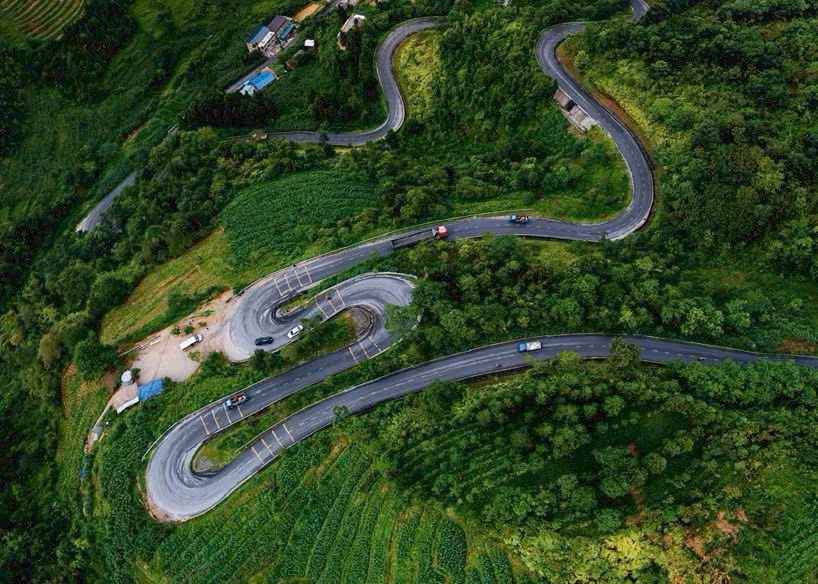 |
| Today, the Happiness Road serves as a vital transport artery, boosting socio-economic development for 23 communes across the Dong Van Karst Plateau. |
Winding past iconic landmarks such as Quan Ba Twin Mountains, Tham Ma Pass, Sung La Valley, Lung Cu Flag Tower, the Vuong Family Mansion, Dong Van Old Quarter and Ma Pi Leng Pass, the road offers visitors both breathtaking scenery and a glimpse into the transformation of highland communities. In Lao Xa Village, many households have developed homestays and revived traditional silver forging and brocade weaving, creating sustainable livelihoods through community-based tourism. In Lung Tam, a flax weaving cooperative has successfully combined heritage preservation with experiential tourism, exporting handmade products to more than 20 countries.
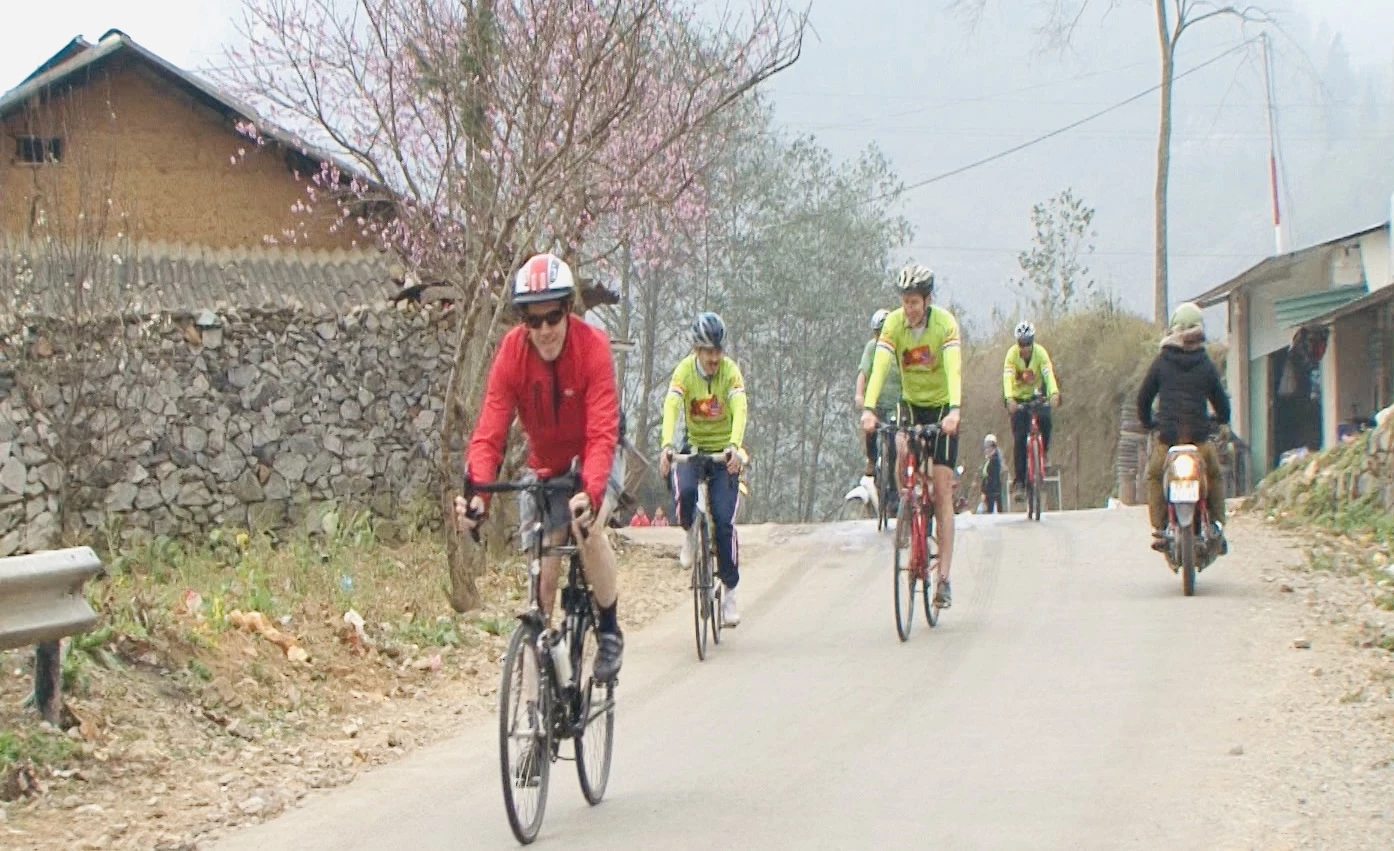 |
| Ted Osius (first), former U.S. Ambassador to Vietnam, and a diplomatic delegation cycle along the Happiness Road. |
Spring along the route is further enlivened by traditional festivals of the Mong, Dao and Lo Lo ethnic groups. Folk games, the sounds of the khen flute and the warmth of corn wine create a unique highland symphony. At the Vuong Family Mansion in Sa Phin Commune, preserved architectural and historical values enrich the cultural journey. Meanwhile, Lo Lo Chai Village has emerged as a tourism highlight, earning recognition from UNWTO as one of the “Best Tourism Villages in the World 2025.”
Behind today’s progress lies a heroic chapter of history. More than 1,500 youth volunteers and laborers from eight northern provinces spent six years (1959–1965) carving nearly three million cubic meters of rock and earth to build the road through rugged terrain. Once described as a project of “blood and flowers,” the Happiness Road has become a signature tourism route, connecting history and nature while attracting growing numbers of visitors.
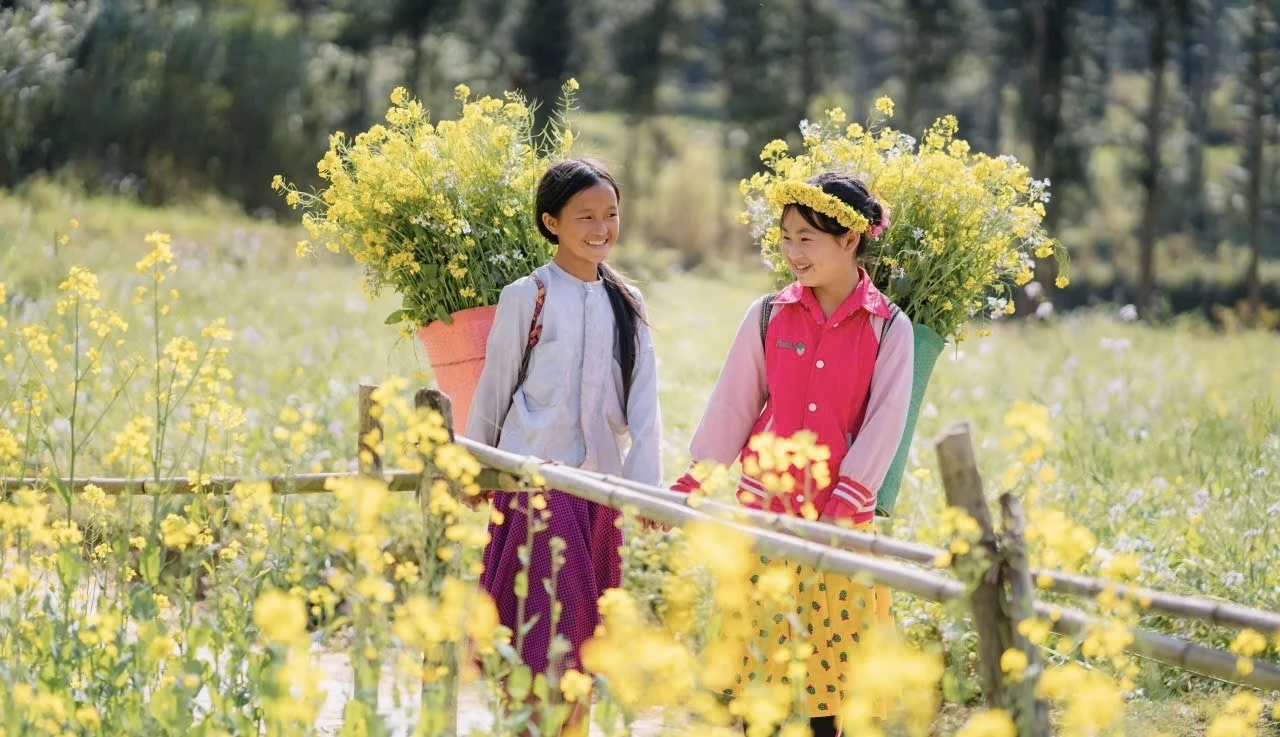 |
| Children on the Happiness Road, symbolizing a bright and joyful life in the highlands. |
Beyond facilitating trade and travel, the road has opened pathways to sustainable development, where happiness blossoms like an everlasting spring in Vietnam’s far north.
Hong Ha


READER COMMENTS