
Giving smartphones to poor households
The Government has decided to provide 400,000 smartphones to poor and near-poor households starting April 30, 2026, under the Public Telecommunications Service Program through 2030. The policy is considered an important step in promoting nationwide digital transformation and helping disadvantaged communities gain access to the Internet, online public services, and socio-economic development opportunities.
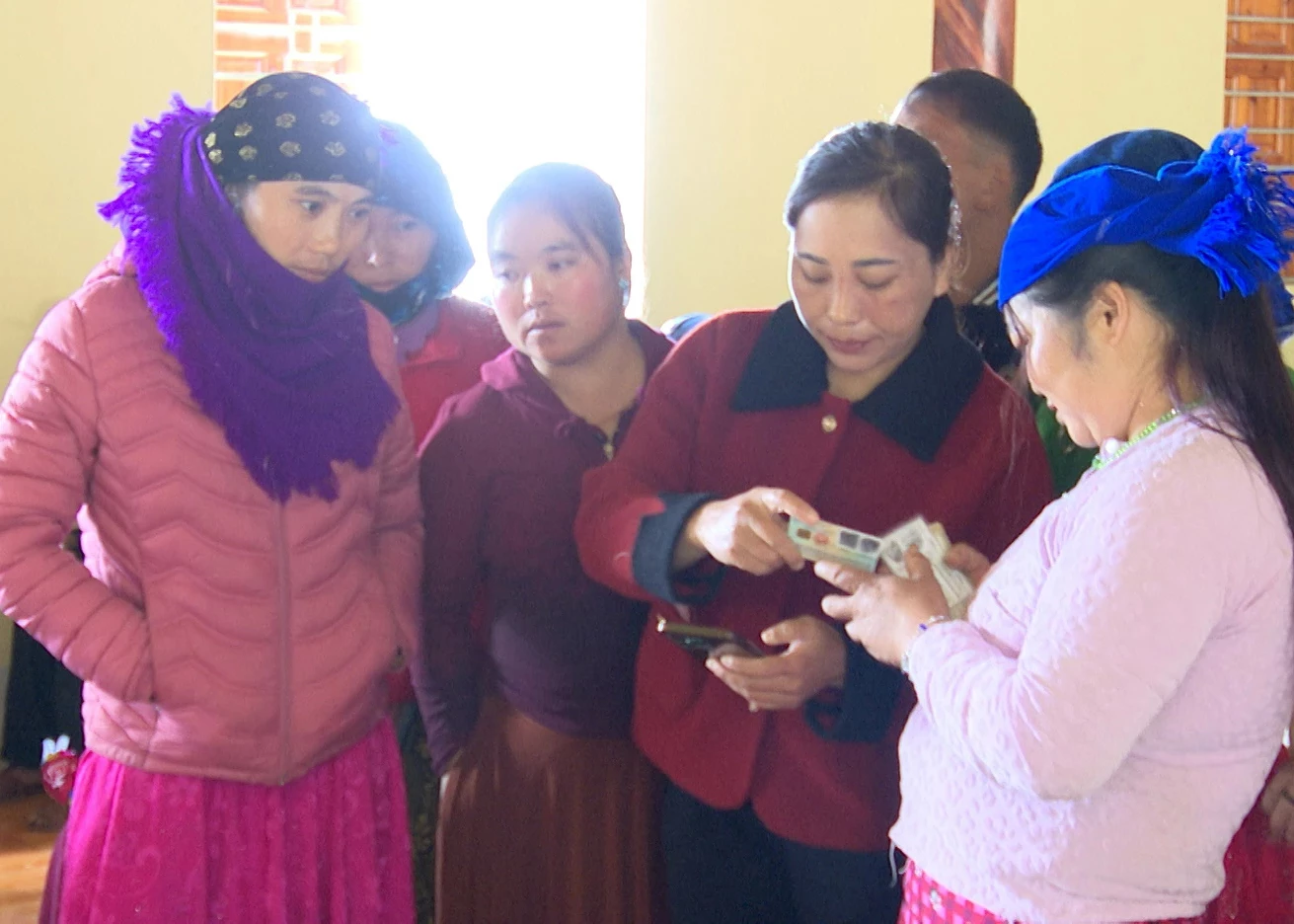 |
As smartphones have become an essential part of daily life, integrating digital identification, driver’s licenses, electronic payments, and administrative transactions, the lack of digital devices has created significant barriers for low-income families, especially those living in remote and mountainous areas. Limited Internet access and inadequate digital skills have further widened the digital divide.
According to the Government’s target, 100% of poor and near-poor households with demand for Internet access will receive support. Providing smartphones is expected to narrow the digital gap while enabling disadvantaged citizens to access online education, healthcare information, employment opportunities, and other essential services. The devices will also help rural households participate in e-commerce and promote local agricultural products through digital platforms.
Experts described the policy as both humanitarian and strategic, ensuring that vulnerable groups are not left behind in the country’s digital transformation process. However, they emphasized that the program’s success will depend on parallel efforts to improve digital literacy, expand telecommunications infrastructure, and subsidize Internet service costs for low-income households.
Duc Anh


READER COMMENTS