
Bach Dich on the rise
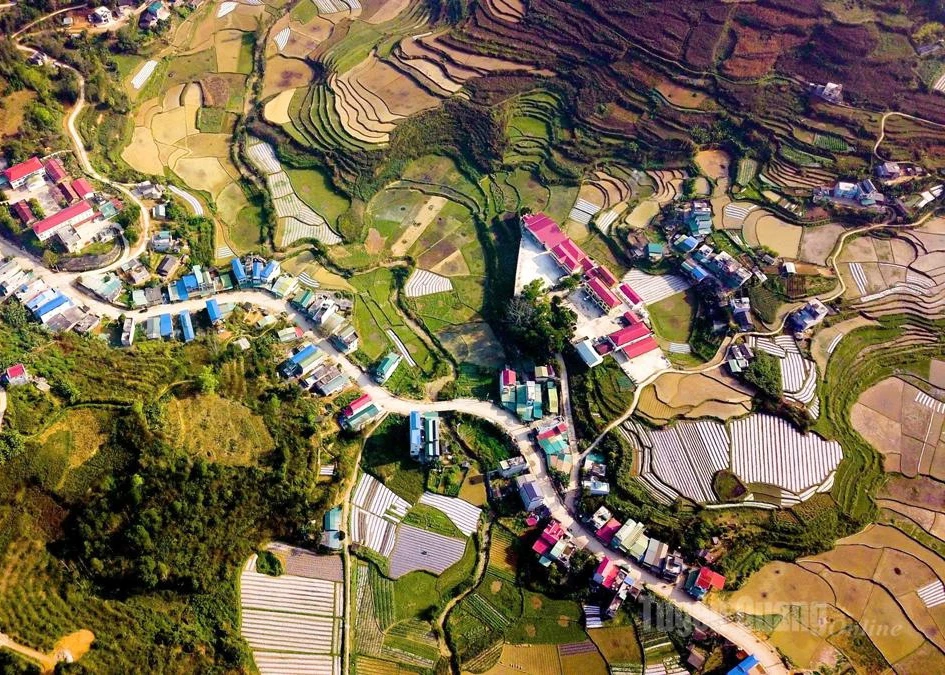
Once one of the most disadvantaged localities on the Dong Van Karst Plateau, Bach Dich Commune is undergoing remarkable transformation thanks to sustained government investment, the determination of local residents, and development policies targeting border areas. Improved infrastructure, modernized agricultural production, and rising living standards are reshaping this frontier community at Vietnam's northernmost edge.
Concrete roads now connect villages, agricultural mechanization has become increasingly widespread, and bustling border markets are creating new opportunities for trade and the sale of local products. Farmers have adopted machinery and diversified crops and livestock, improving productivity and economic efficiency while gradually shifting from subsistence farming to commodity production.
 |
According to local officials, the commune's progress has been driven by persistent efforts to encourage residents to embrace new farming practices, apply modern technologies, and develop market-oriented agriculture. Investments in irrigation systems and transport infrastructure have further supported rural development, enabling many households to expand livestock production, diversify livelihoods, and increase their incomes.
One year after implementing the two-tier local government model, Bạch Đích has recorded significant progress. Resources from the National Target Programs have been directed toward priority projects, resulting in the upgrading of 19 roads, the construction of five cultural houses and eight educational facilities, and the replacement of hundreds of temporary houses with permanent homes, substantially improving living conditions across the commune.
Agriculture remains the foundation of the local economy. The commune currently has nearly 3,800 hectares of cultivated land, a livestock herd of almost 17,000 animals, more than 80,000 poultry, and nearly 1,200 beehives. Since the beginning of 2026, Bạch Đích has also introduced new livelihood models, including the breeding of bamboo rats, masked palm civets, and ducks, while expanding vocational training, technology transfer, and access to development capital to support sustainable income generation.
From improved infrastructure and modern agricultural practices to higher living standards, Bạch Đích is steadily emerging as a model of rural development in Vietnam's border region. These achievements are not only enhancing the well-being of local residents but also laying a solid foundation for sustainable socio-economic growth while contributing to the protection and development of the country's northern frontier.
Quynh Chau


READER COMMENTS