
Black-boned chicken
The black chicken, also known as black-meat or black-boned chicken, is a specialty of the karst plateau region and a valuable traditional remedy of the H’mong ethnic community. This chicken breed is raised in scattered areas across Quan Ba, Yen Minh, Dong Van, and Meo Vac.
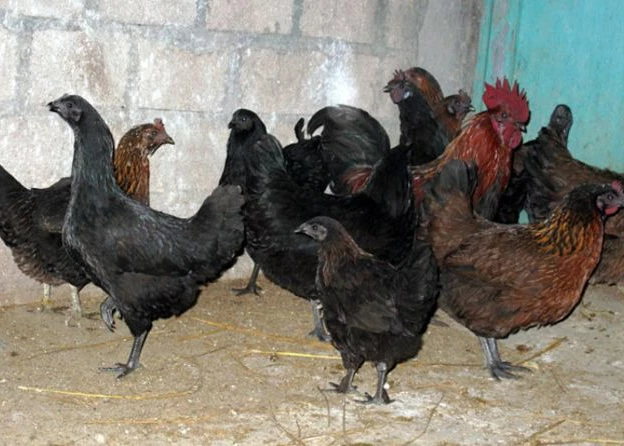 |
Black-boned chickens are black from the outside in: black feathers, black meat, and black bones. They are about the size of ri chickens, weighing only 1.2–1.6 kg when mature. They have slender bodies, long legs, and excellent agility. Due to being raised in free-range, semi-wild conditions, the breed is aggressive and prone to fighting. Their meat has no strong smell thanks to its very low iron content.
The standout trait of the black-boned chicken is its deep black meat, skin, comb, and bones. The breed is known for firm, flavorful meat with low fat content, superior to other local chicken breeds. A seven-month-old rooster can weigh around 3.5 kg, while hens reach about 2.5 kg. Their eggs are highly nutritious and have a distinctive aroma. Unlike other local breeds, black-boned hens lay only around 70 eggs per year and lay eggs for just five months annually.
Beyond its culinary value, the bones of the chicken, along with its meat, are used as traditional medicine. When stewed with tam that (pseudo-ginseng), black-boned chicken is considered a valuable tonic for the elderly, postpartum women, and malnourished children. Consequently, its price is relatively high, ranging from VND 200,000 to VND 250,000 per kilogram. In recent years, rising demand has led to a rapid decline in the population of black-boned chickens in highland communes.
Facing this risk, the National Institute of Animal Husbandry launched a project to preserve the genetic resources of this rare breed by expanding breeding efforts and promoting large-scale farming. The goal is to provide farmers with a high-quality breed and supply the market with a valuable medicinal food product.
The product is currently undergoing procedures in local communes to be recognized as a -star OCOP item.
Hai Lam


READER COMMENTS