
Advantages for tourism
Highland cuisine represents a harmonious blend of indigenous knowledge and abundant natural resources, vividly expressing the unique cultural identities of each ethnic group, the spirit of community, and the resilient adaptation to the harsh conditions of mountainous regions.
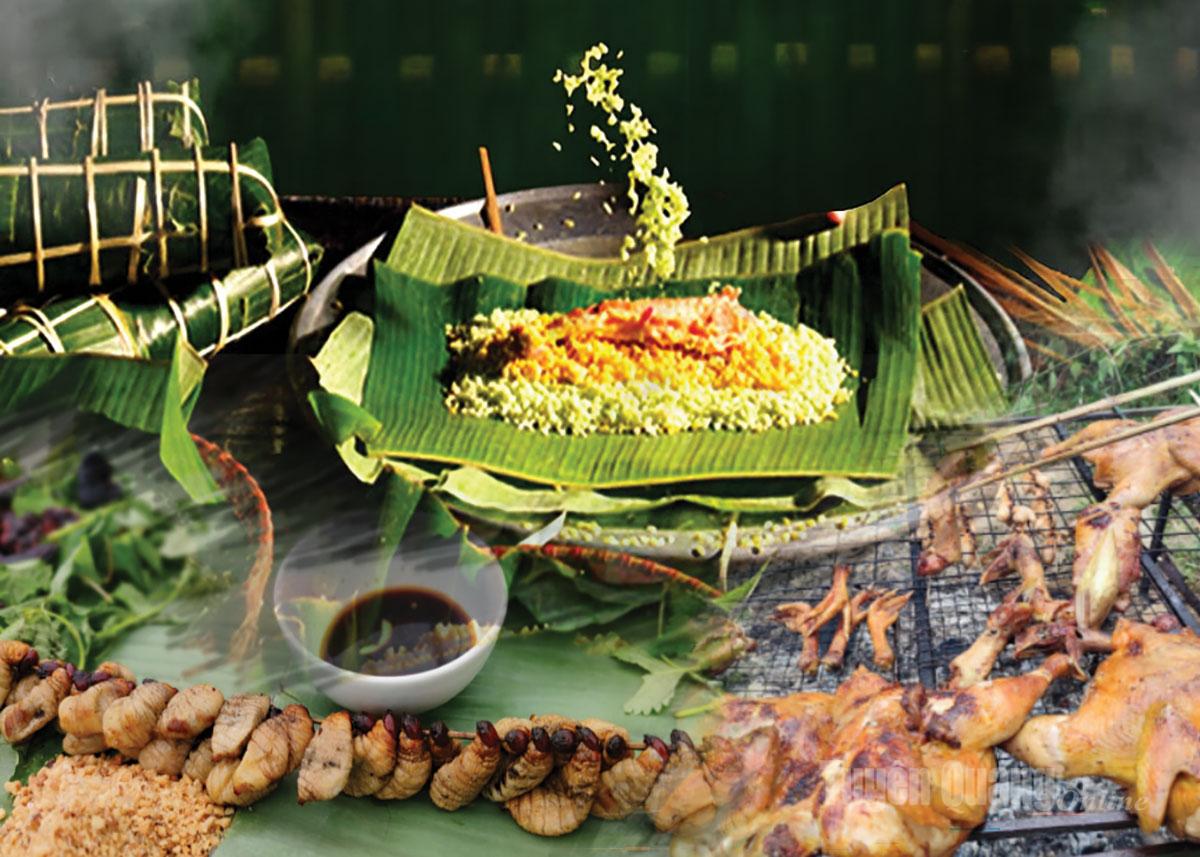 |
Tuyen Quang is home to many ethnic minority groups, creating a rich and diverse culinary heritage. Local dishes make full use of ingredients sourced from forests and mountains, reflecting a deep respect for nature and a sustainable approach to utilizing natural resources. For highland communities, cuisine is also an indispensable element of traditional rituals and festivals, carrying spiritual meaning, connecting people with their ancestors, and expressing gratitude toward nature.
Highland people have their own distinctive and refined cooking methods that create unique flavors. Dishes like thit gac bep (smoked and air-dried meat) serve as a long-lasting food supply, closely linked to a lifestyle of shifting cultivation or living far from markets. Cooking in bamboo tubes infuses dishes with the characteristic aroma of the mountains and forests. Fermented and pickled foods such as sour bamboo shoots or sour pork diversify the diet while helping store food. Each ethnic group has its own signature dishes, contributing to the preservation of cultural identity and the transmission of traditional knowledge across generations.
Highland cuisine is, above all, a story of cultural vitality and identity. Preserving traditional dishes means preserving the culture of an entire people. Through food, one can see the enduring resilience and adaptability of highland communities. Cuisine vividly reflects cultural values and has always played a central role in shaping daily life - it shows attitudes, ways of thinking, ways of doing, human virtues, compassion, and ethical values embedded in culinary traditions.
Within the flow of Vietnam’s cultural heritage, culinary culture remains an inexhaustible source. Therefore, it is essential to safeguard traditional culinary values, promote their development, and turn them into a driving force for tourism. Many localities have successfully won the admiration of domestic and international visitors through their unique ethnic and regional cuisines. Alongside preserving culinary heritage, these efforts also help boost tourism, contribute to economic development, and increase income for local communities.
Phuong Dong


READER COMMENTS