16:38, 22/12/2025
Beneath stilt houses nestled along mountain slopes, the traditional incense-making craft of the Nung people in Thang Tin Commune has quietly endured, passed down from generations. From entering the forest to select materials, grinding tree bark, mixing incense powder, to rolling each slender incense stick, every step is done entirely by hand, basing on the artisans’ dexterity and patience.
When burned, each incense stick releases a gentle, rustic fragrance, closely tied to spiritual life, customs, and traditional cultural values of the Nung people – like a wisp of smoke linking memories of an old craft with the rhythm of modern life.
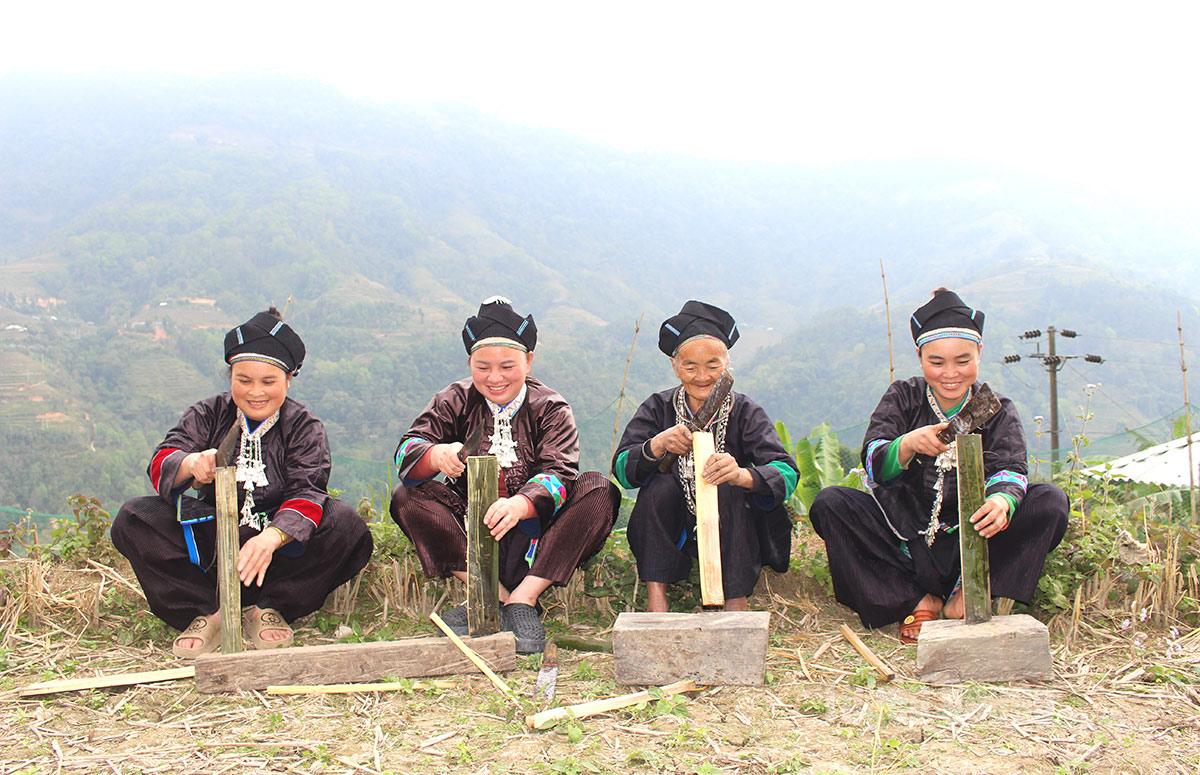 |
| Amidst the poetic mountain landscape, Nung women of Coc Mui Ha Hamlet (Thang Tin Commune), work together splitting bamboo and preparing materials to make traditional incense. |
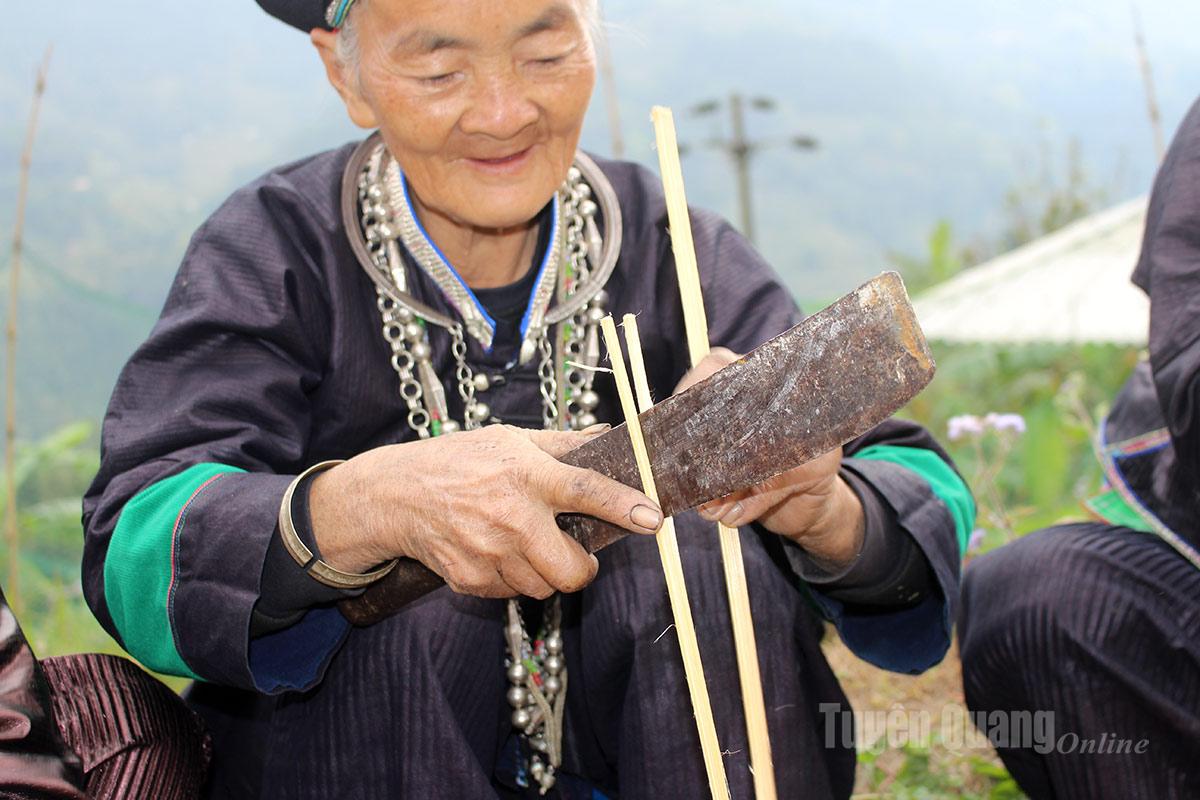 |
| To make incense, ‘mai’ bamboo, after being brought back, is cut into sections about 40 centimeters long and then split into thin incense sticks. The bamboo must be around one year old – not too mature and not too young. |
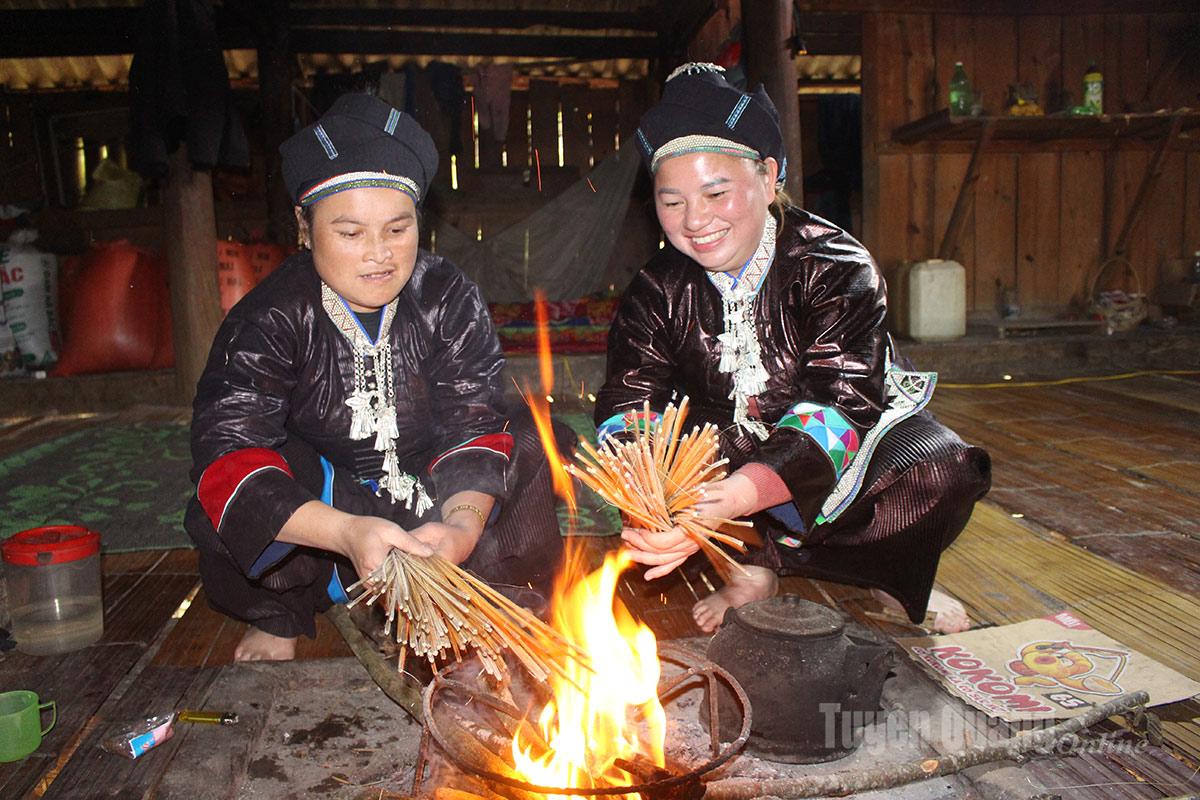 |
| After splitting, the evenly shaped sticks are briefly passed over a fire to remove fine bamboo fibers, ensuring smoothness before proceeding to the next stages. |
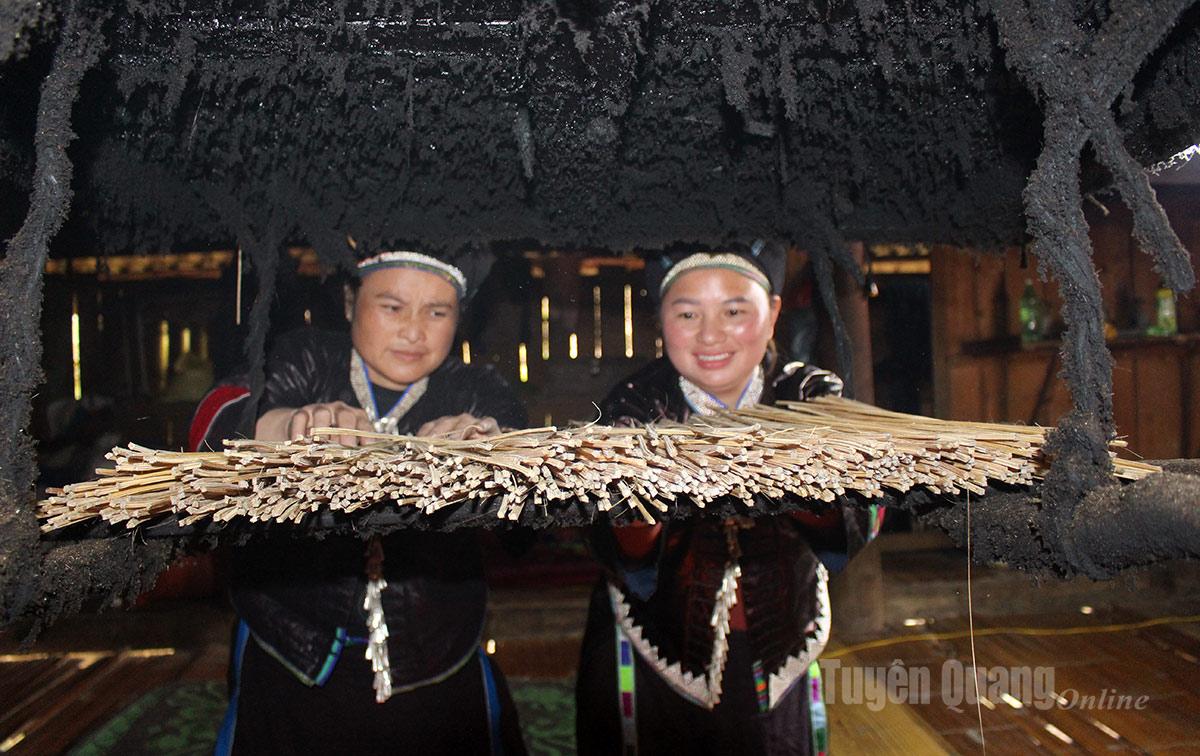 |
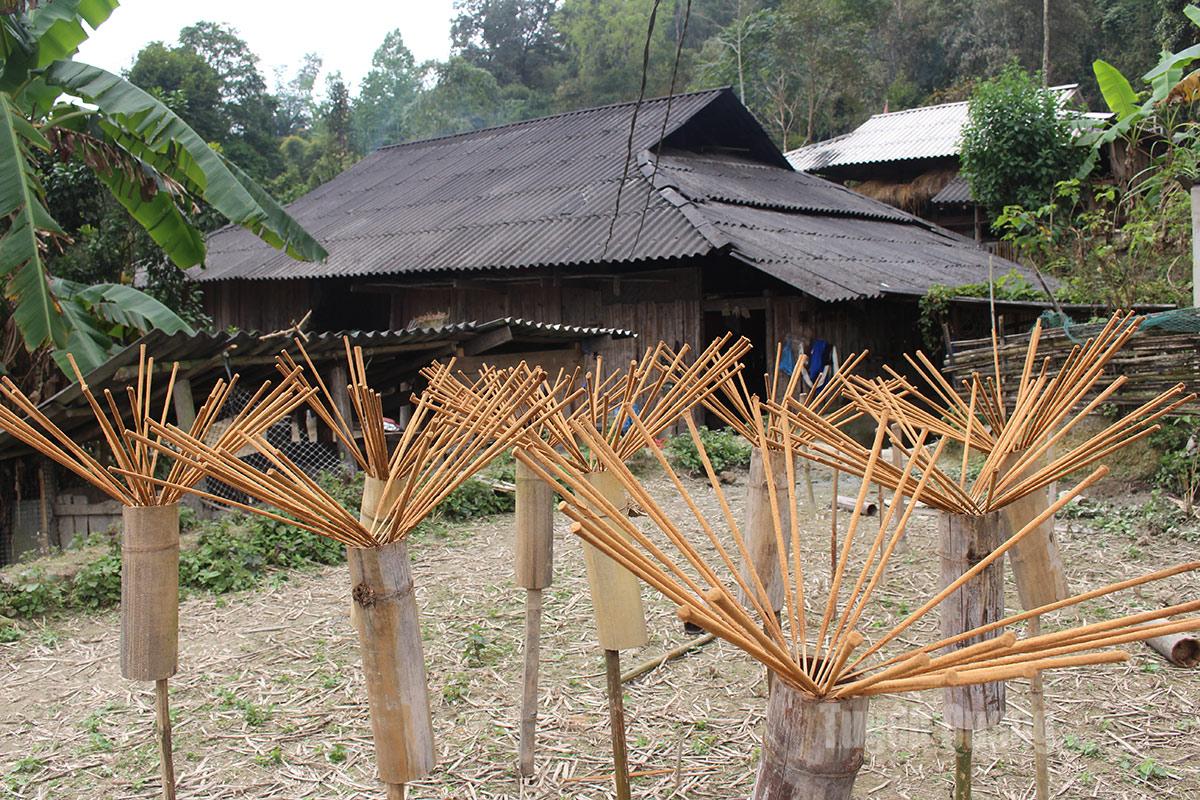
| The incense sticks are usually sun-dried outdoors or hung above kitchen stoves to dry evenly, maintain durability, and create a natural fragrance before incense rolling. |
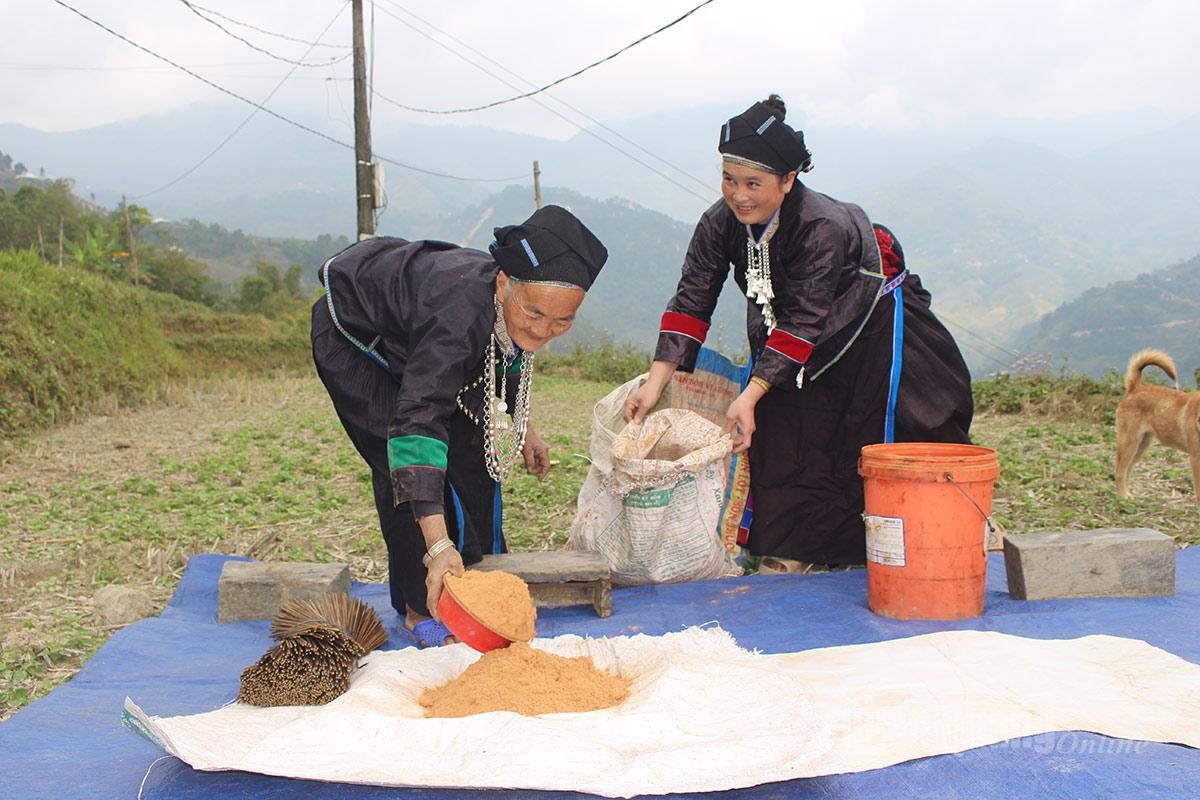 |
| According to Sin Thị Seo, a long-time incense maker in Coc Mui Ha Hamlet, Thang Tin Commune, all materials used by the Nung people come entirely from nature, including mai bamboo, kapok tree bark, sawdust, and ‘ba hat’ leaves. |
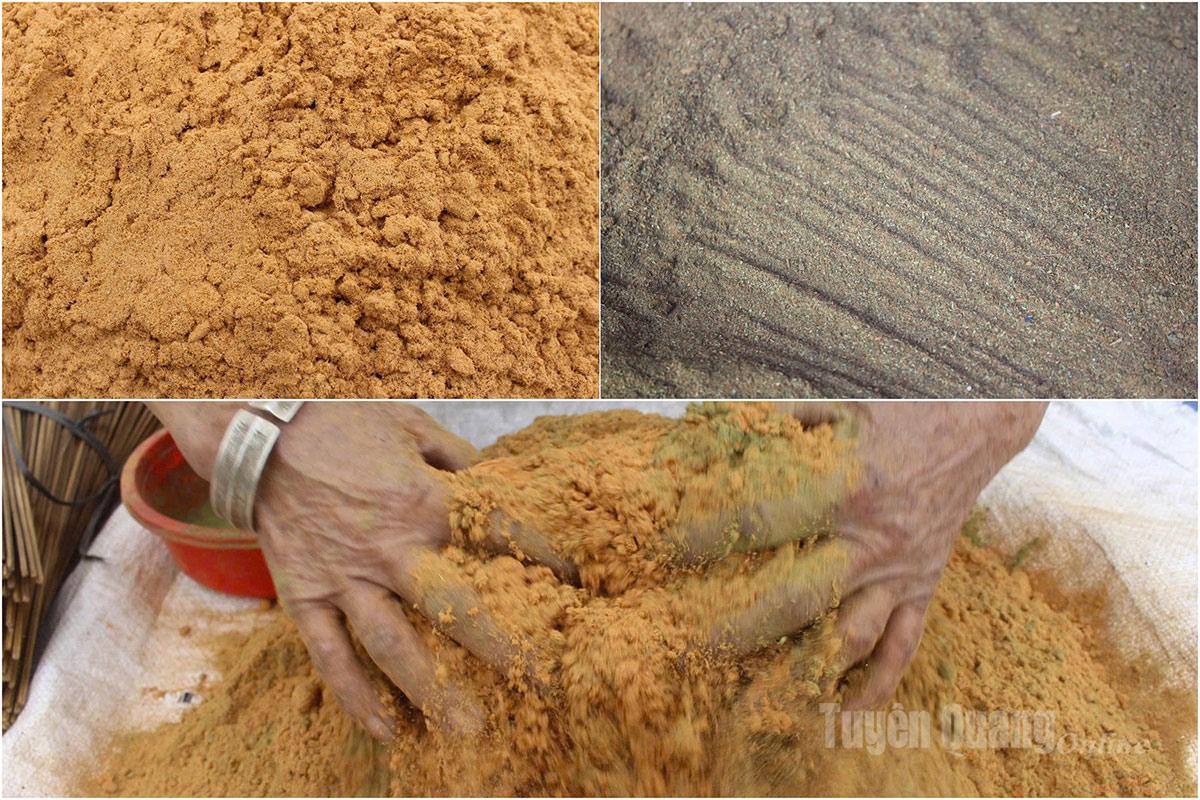 |
| To achieve the most authentic fragrance, the most important factor is the formula for mixing ‘ba hat’ leaf powder with powder made from bark or wood used for incense. If the proportions are uneven, the incense will not adhere properly, will fail to form, or may form but lack the distinctive aroma of the leaves. |
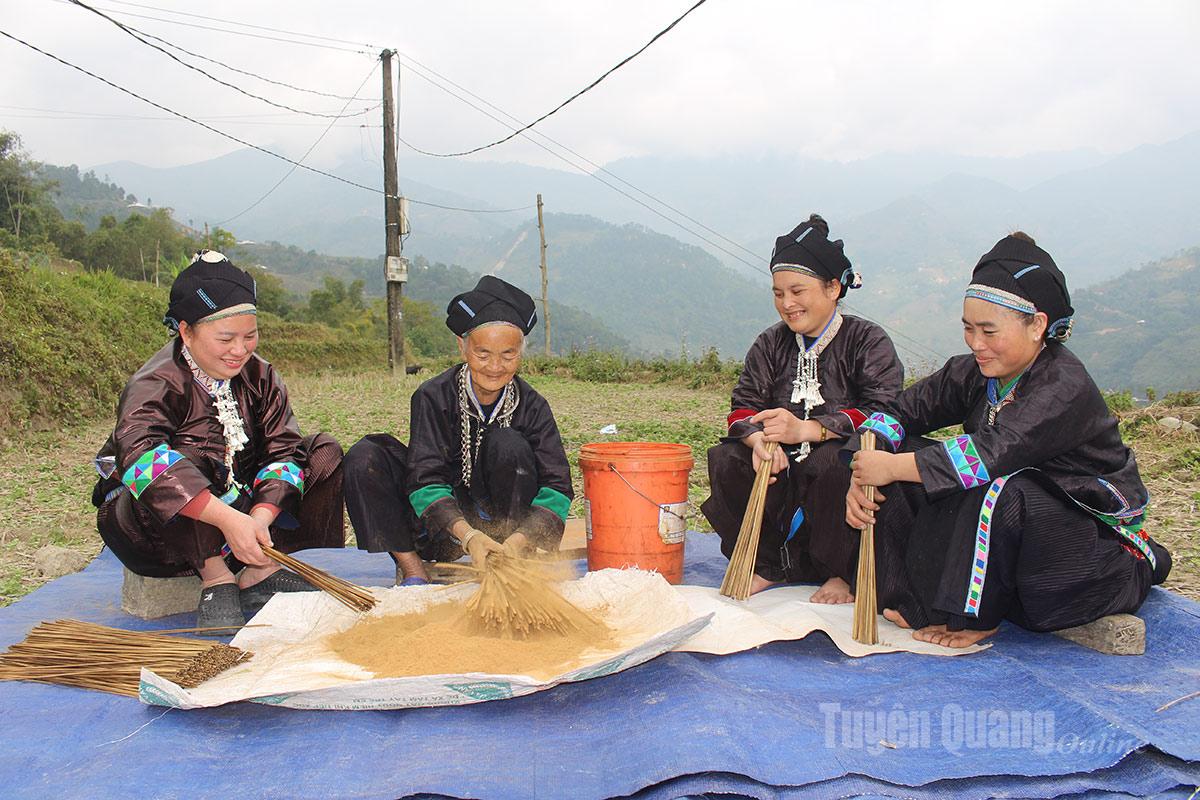 |
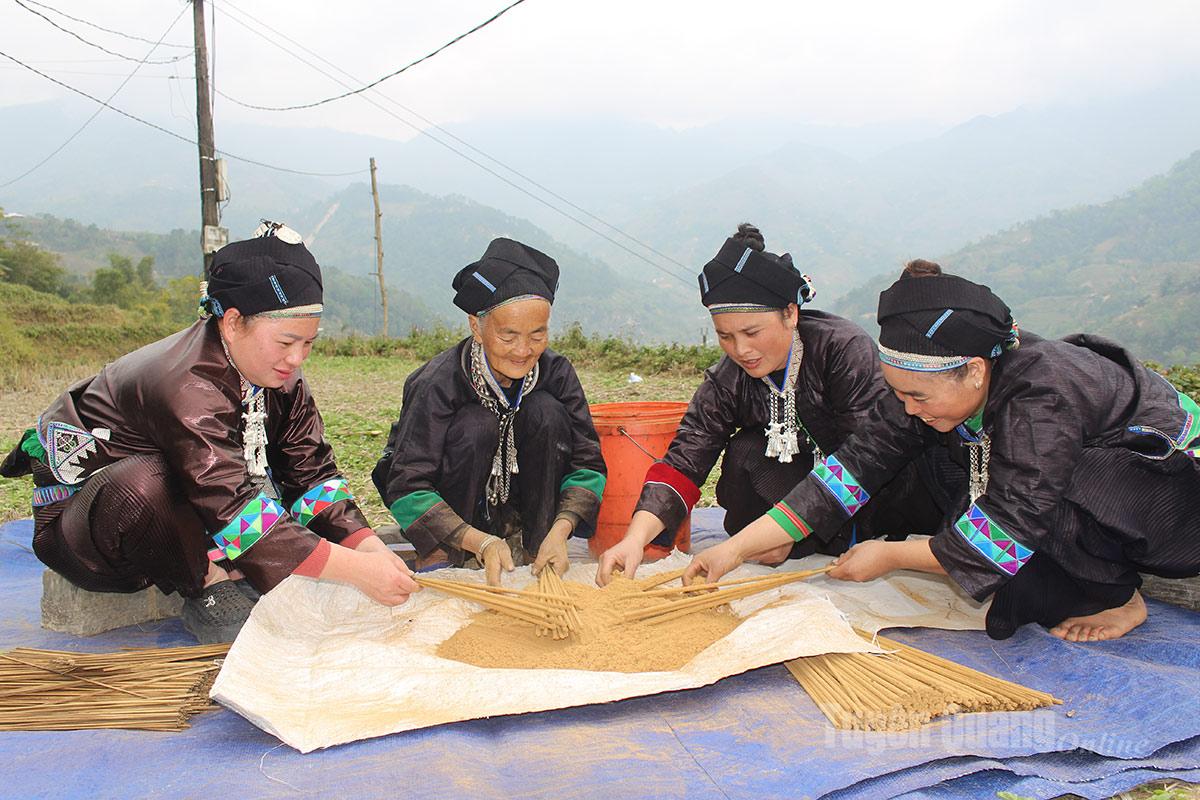
| On a tarpaulin spread across the mountainside, Nung women gather to mix powder and roll incense with well-practiced hands, their labor rhythm slow yet persistent, preserving the traditional incense craft through generations. |
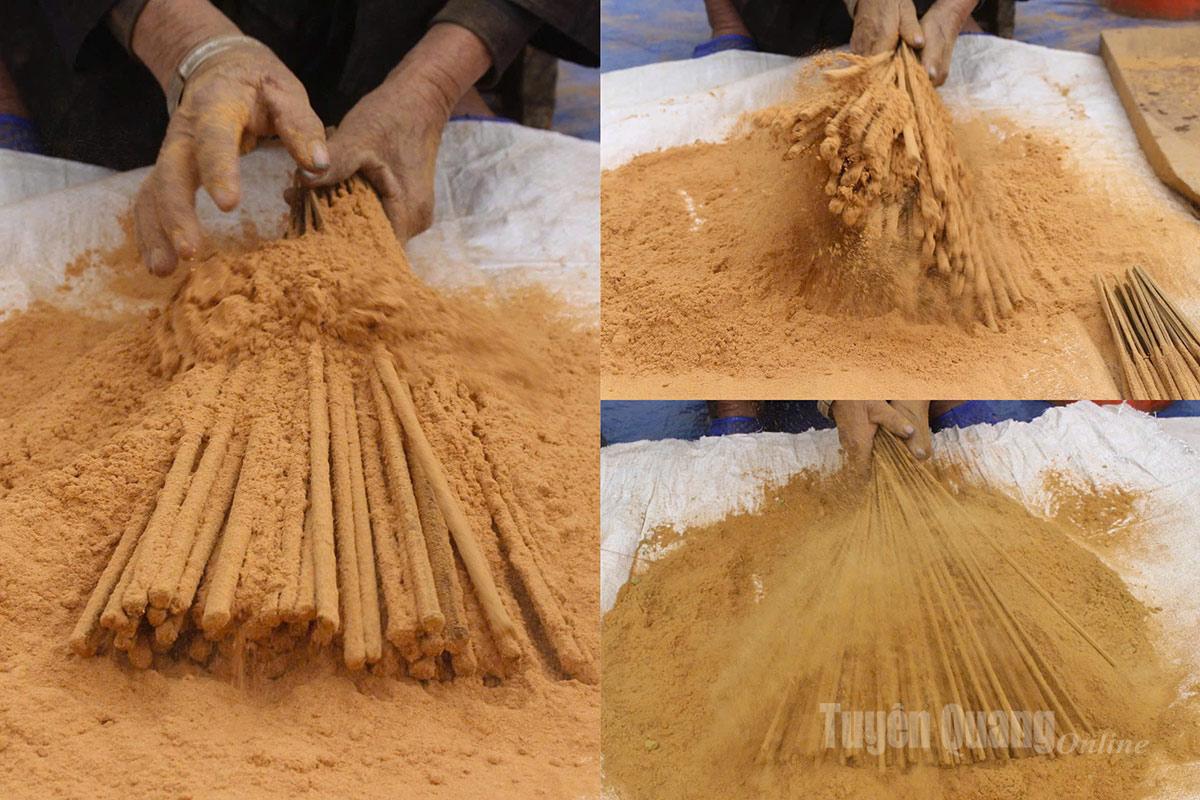 |
| When rolling incense, the hands must move quickly and gently shake so that the powder adheres evenly while ensuring the stick remains round. Only then will the incense burn with a pleasant fragrance and produce a beautiful ash. |
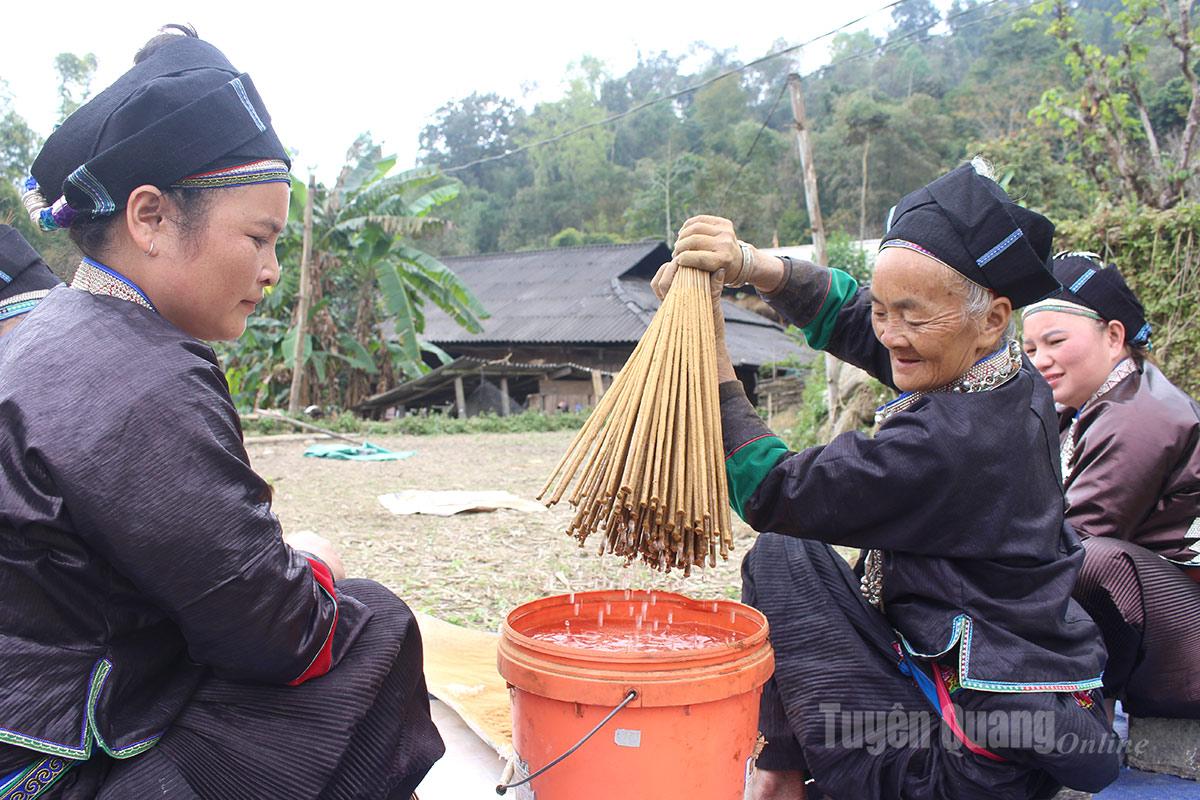 |
| During rolling, the incense maker dips the bamboo stick into a bucket of water, then rolls it back and forth over the prepared dry powder layer, quickly dips it into water again, and continues rolling repeatedly until the incense stick meets the required standard. |
 |
| With the belief that incense making not only provides income but also carries meaningful traditional and spiritual values, Mrs. Sin Thi Seo is willing to pass on the craft to anyone interested in learning. |
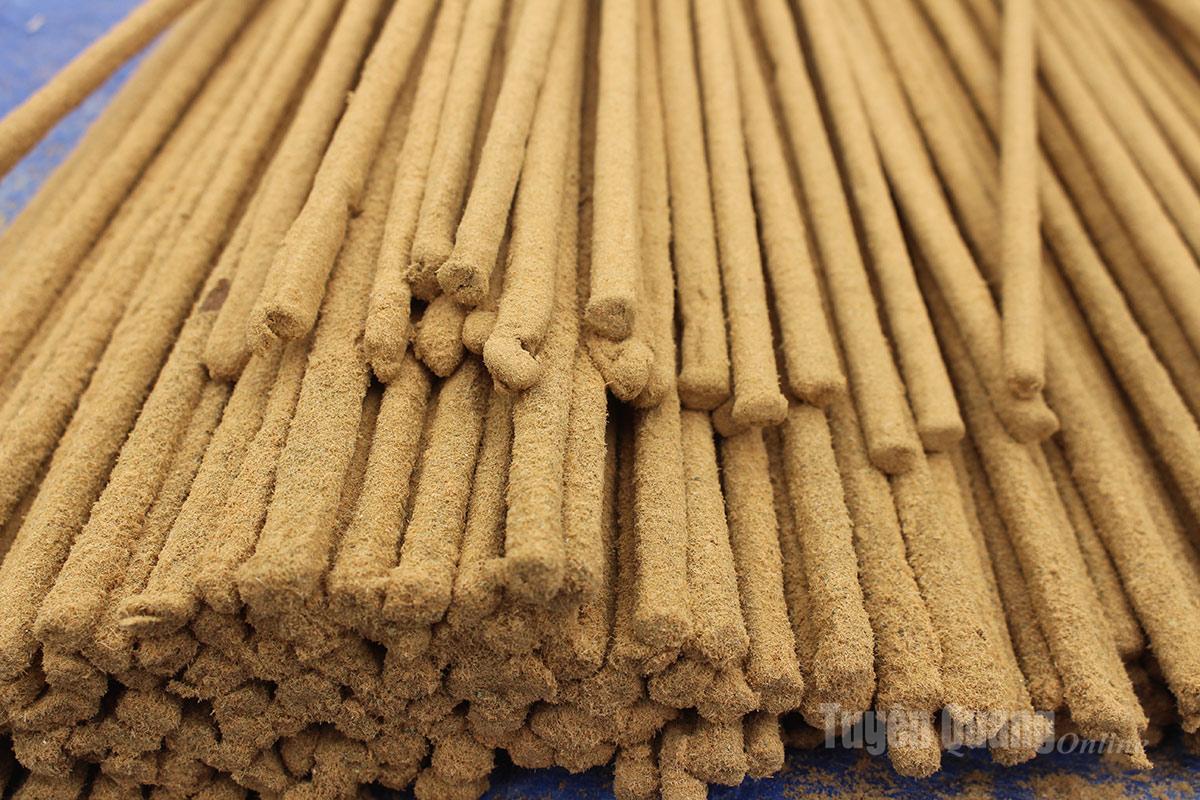 |
| Nung incense is well known for its natural fragrance, ease of lighting, and long preservation time. It is considered a handicraft because the entire process involves no machinery or supporting tools, from mixing powder to rolling incense. |
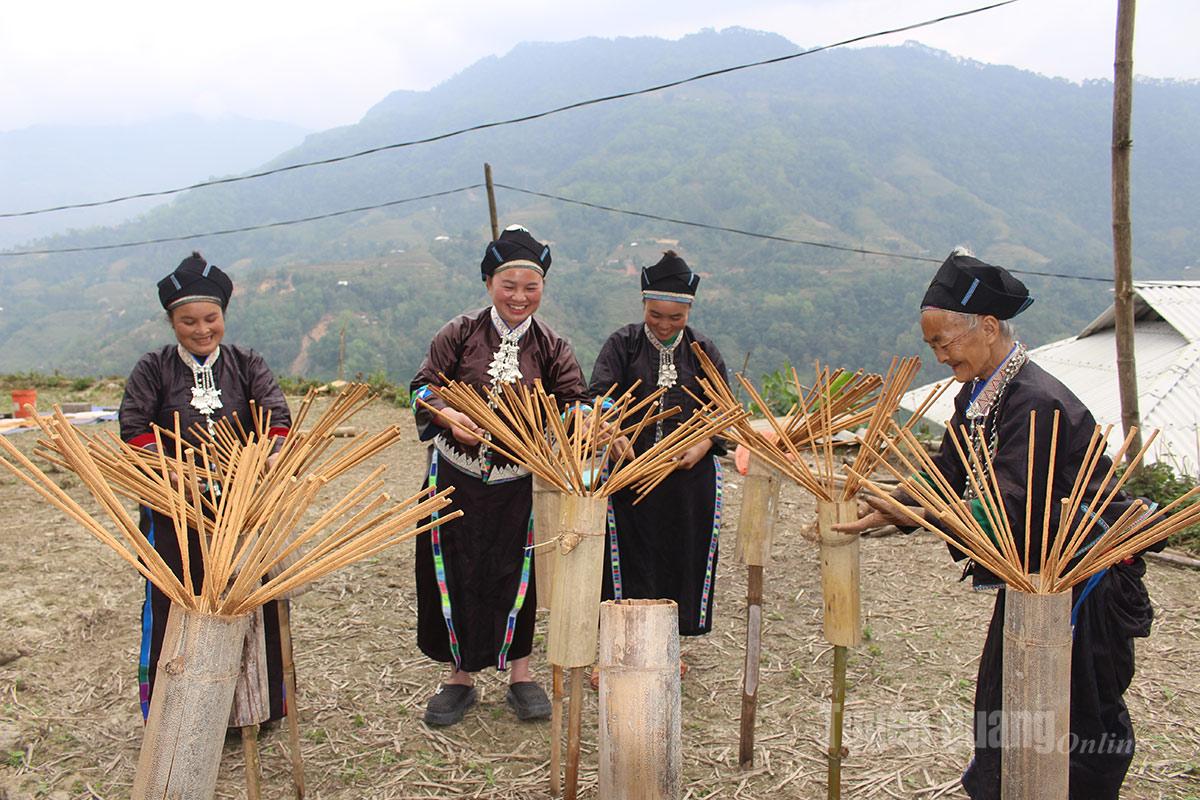 |
| Finished incense sticks are placed upright in round bamboo tubes or laid out in dry fields that local people make use of for drying. |
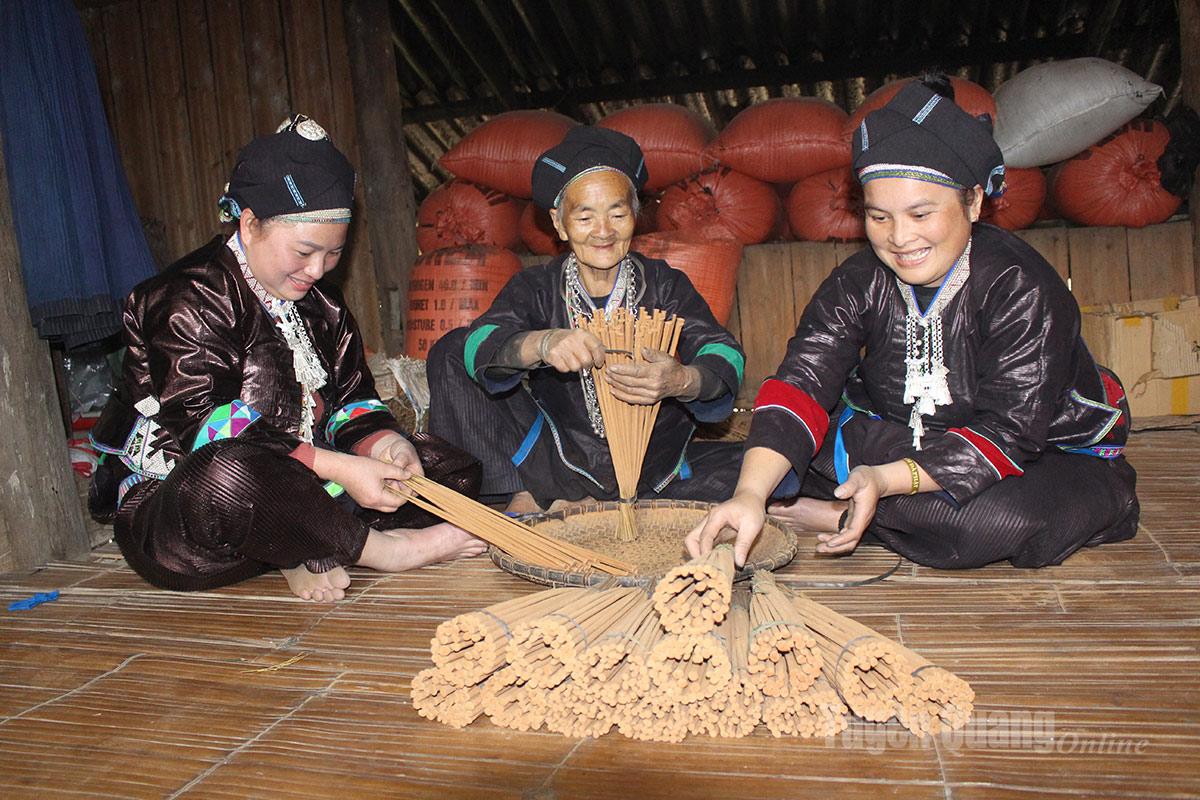 |
| Inside warm stilt houses, generations of Nung women in Thang Tin gather to bundle dried incense sticks, quietly passing down the traditional craft through each simple stick of incense. |
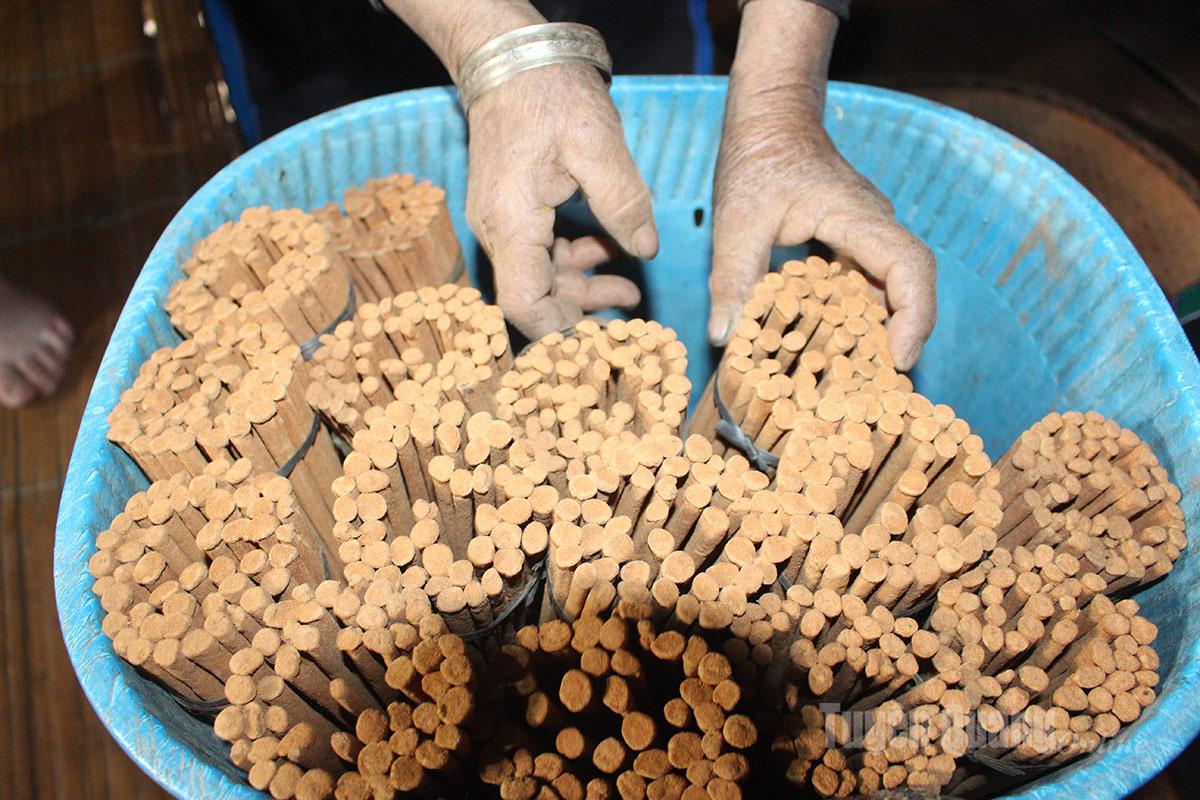 |
| Bundles of dried incense are carefully arranged by calloused hands, the result of a fully manual incense-making process using entirely natural materials of the Nung people in Thang Tin. |
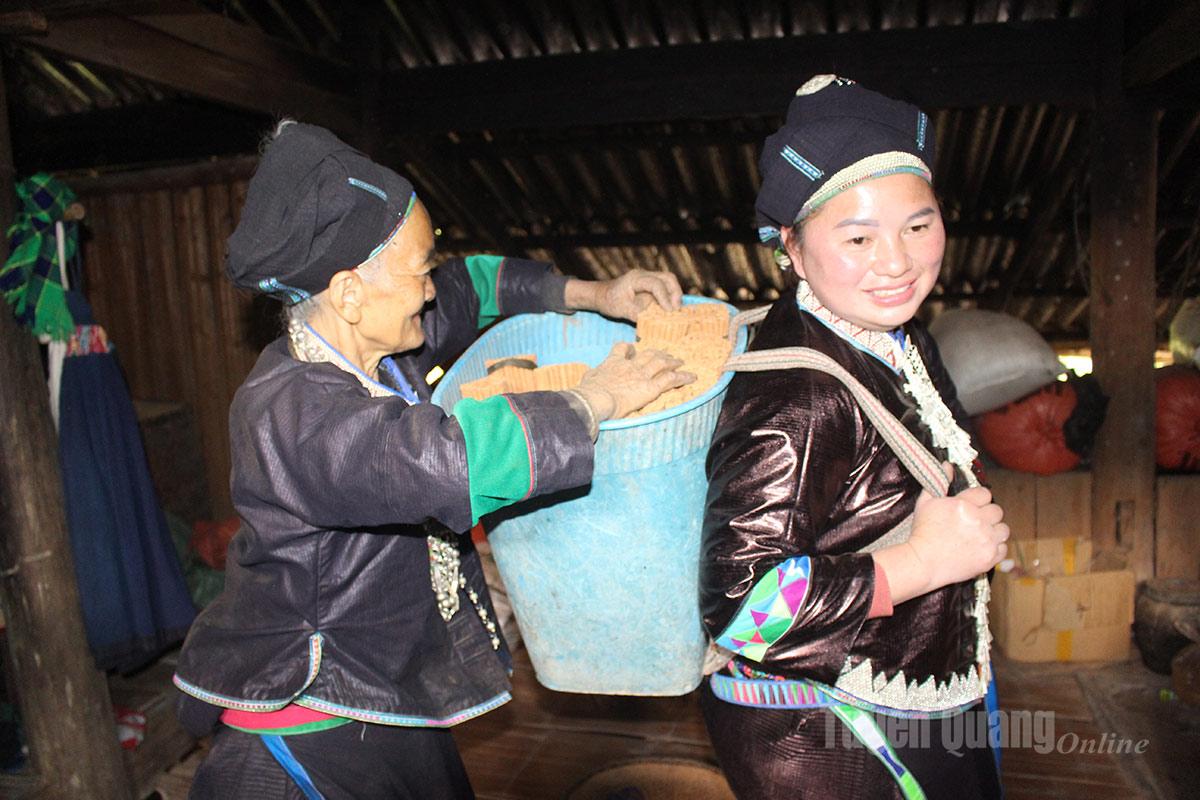 |
| Traditional incense bundles are brought to local markets for sale, not only preserving ancestral craftsmanship but also creating sustainable livelihoods for many families. |
 |
| Lighting incense on ancestral altars is an indispensable cultural practice of Vietnamese people. This is also the reason why the Nung people in Thang Tin remain deeply attached to the incense-making craft, cherishing and valuing each fragrant stick day after day. |
Nguyen Yem


