

Che La Shan Tea
Once a plant closely tied to the daily life of local ethnic communities, Shan snow tea in the former Che La area, now part of Nam Dan Commune, has gradually developed into a 4-star OCOP product, helping improve incomes and create sustainable livelihoods for local people.
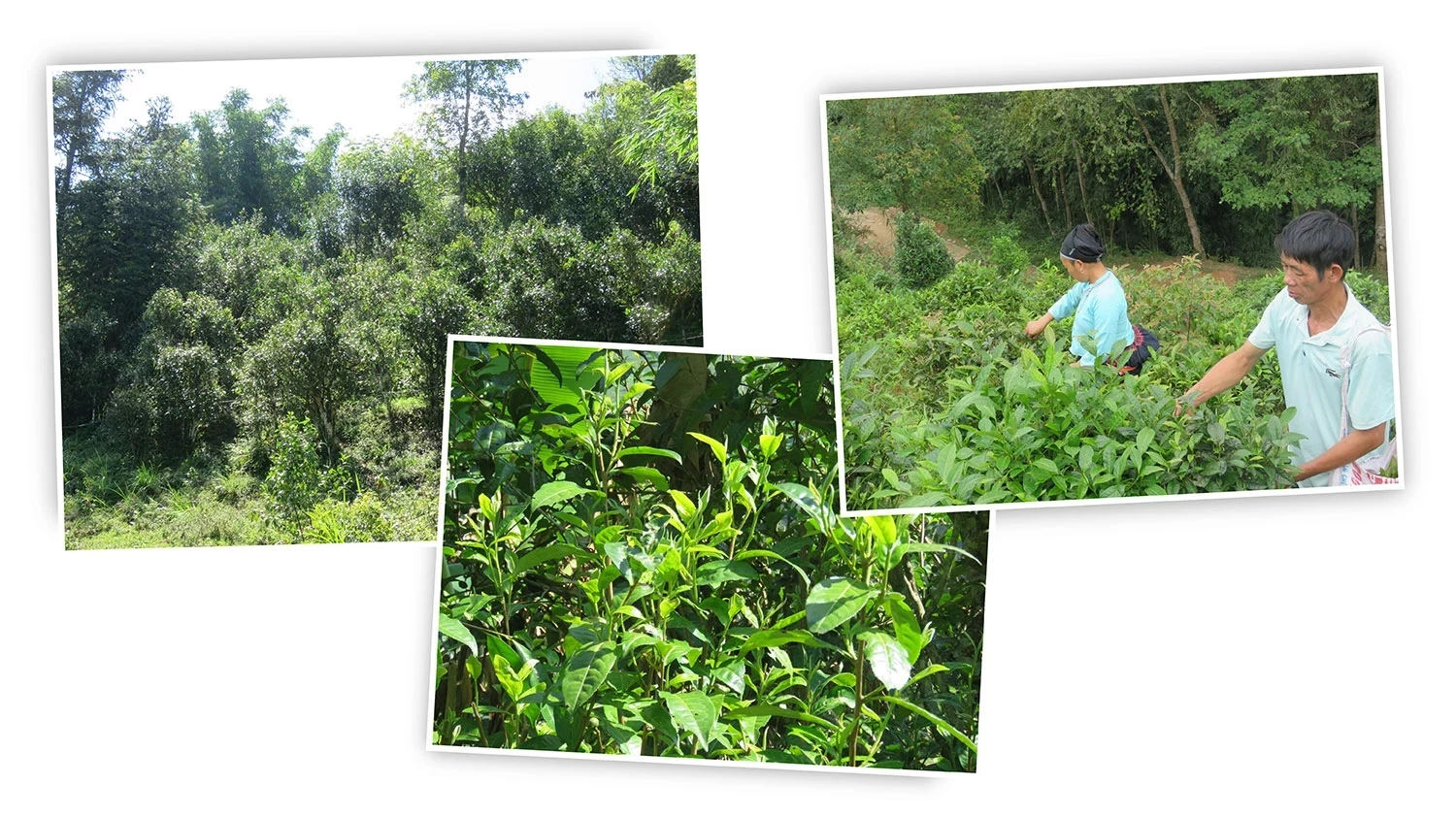 |
| From small tea patches on steep slopes, tea plants gradually became closely tied to the lives of highland communities. |
According to local people, tea plants have existed for many years on the high mountain slopes of Che La. Initially, tea was grown scattered on steep, difficult-to-cultivate land unsuitable for maize or rice and was mainly used for household consumption. At an altitude of over 1,000 meters above sea level, with a cool year-round climate, Shan snow tea here grows naturally, producing large buds and thick leaves covered with a characteristic white fuzz.
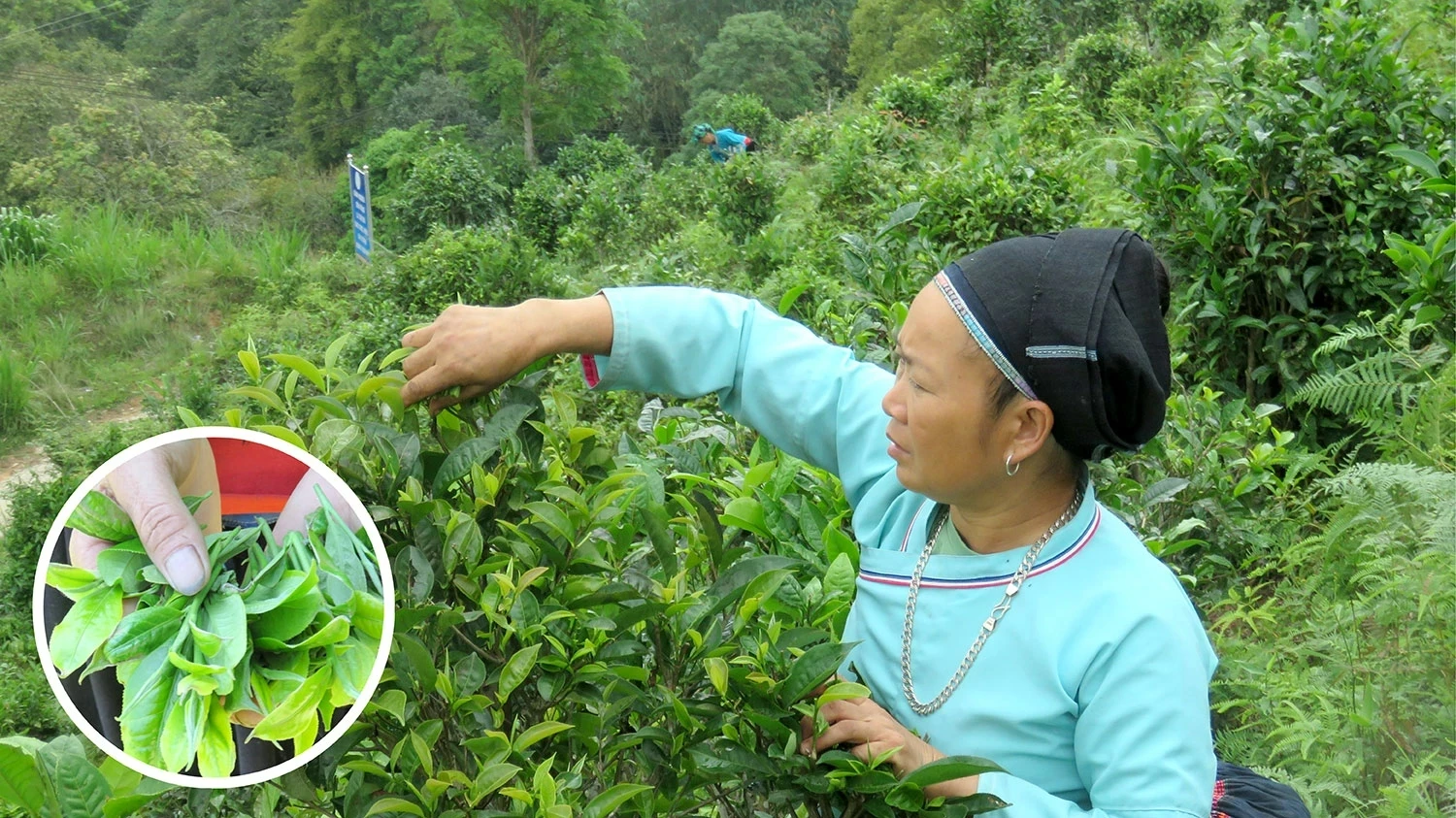 |
| Tea harvesting has become an integral part of daily life and livelihoods for local people. |
In 1969, when Coc Do Cooperative was established, the tea-growing area began to be planned and expanded. However, for a long period, many tea plantations grew naturally without generating significant economic value and received little care. It was not until the early 2000s that local authorities implemented planning for a specialized tea-growing zone, prompting residents to restore, cultivate, and improve the quality of raw tea materials.
In 2012, Xuan Mai General Service Cooperative was established in Coc Co Village, investing in processing machinery, building the Che La Snow Tea brand, and linking production with market consumption. The tea is produced using natural methods, without the use of pesticides, to preserve the distinctive flavor of highland Shan snow tea.
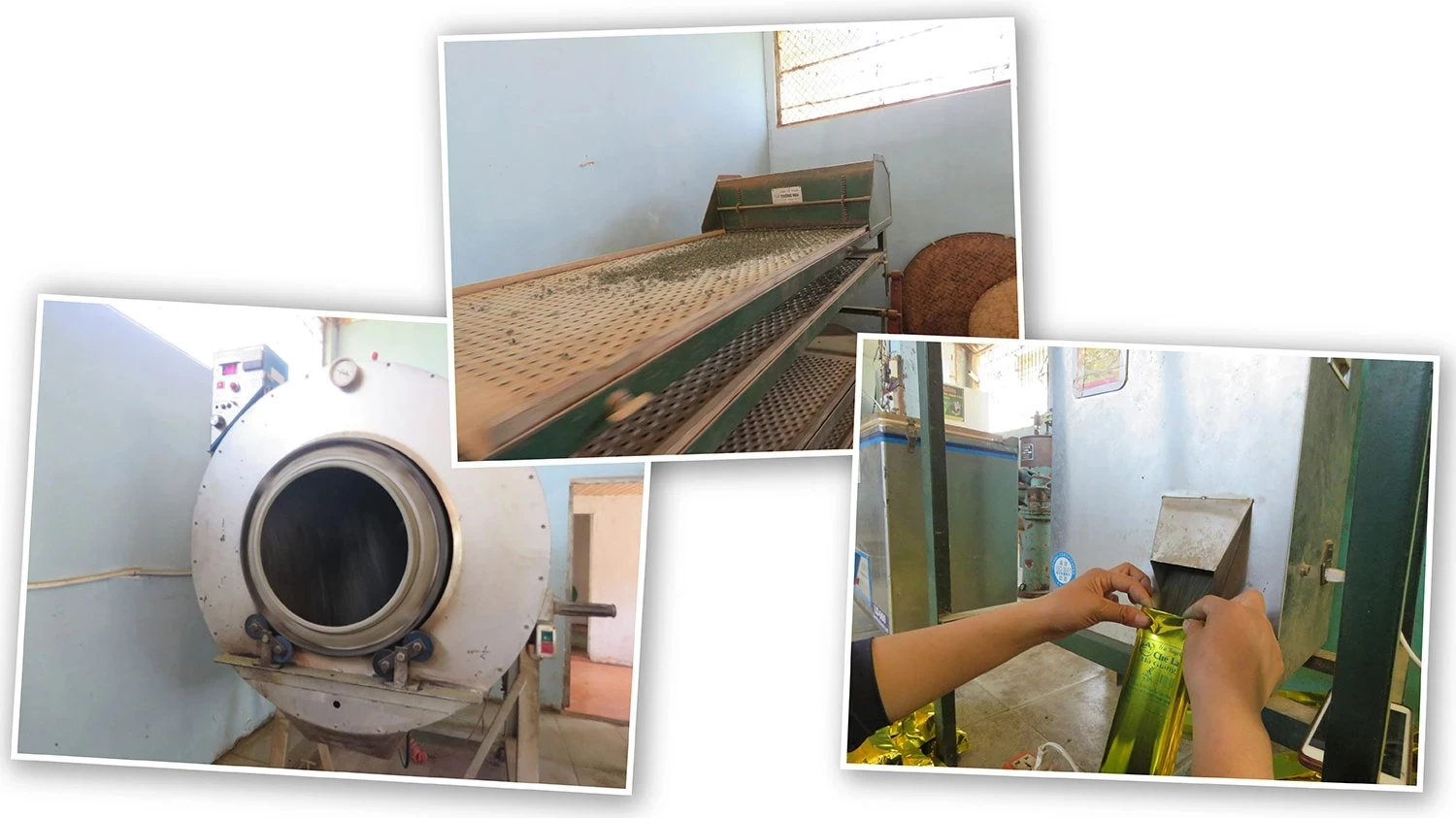 |
| Investment in processing machinery has helped stabilize product quality and build the Che La Snow Tea brand. |
In 2018, Che La Shan snow tea was certified as organic. By 2021, Che La Snow Tea was recognized as a 4-star OCOP product. Currently, Nam Dan Commune has nearly 264 hectares of Shan snow tea, of which nearly 151 hectares are dedicated raw material areas for Che La Snow Tea production across 11 villages in the former Che La region. Fresh tea buds are purchased at prices ranging from 15,000 to 18,000 VND per kilogram.
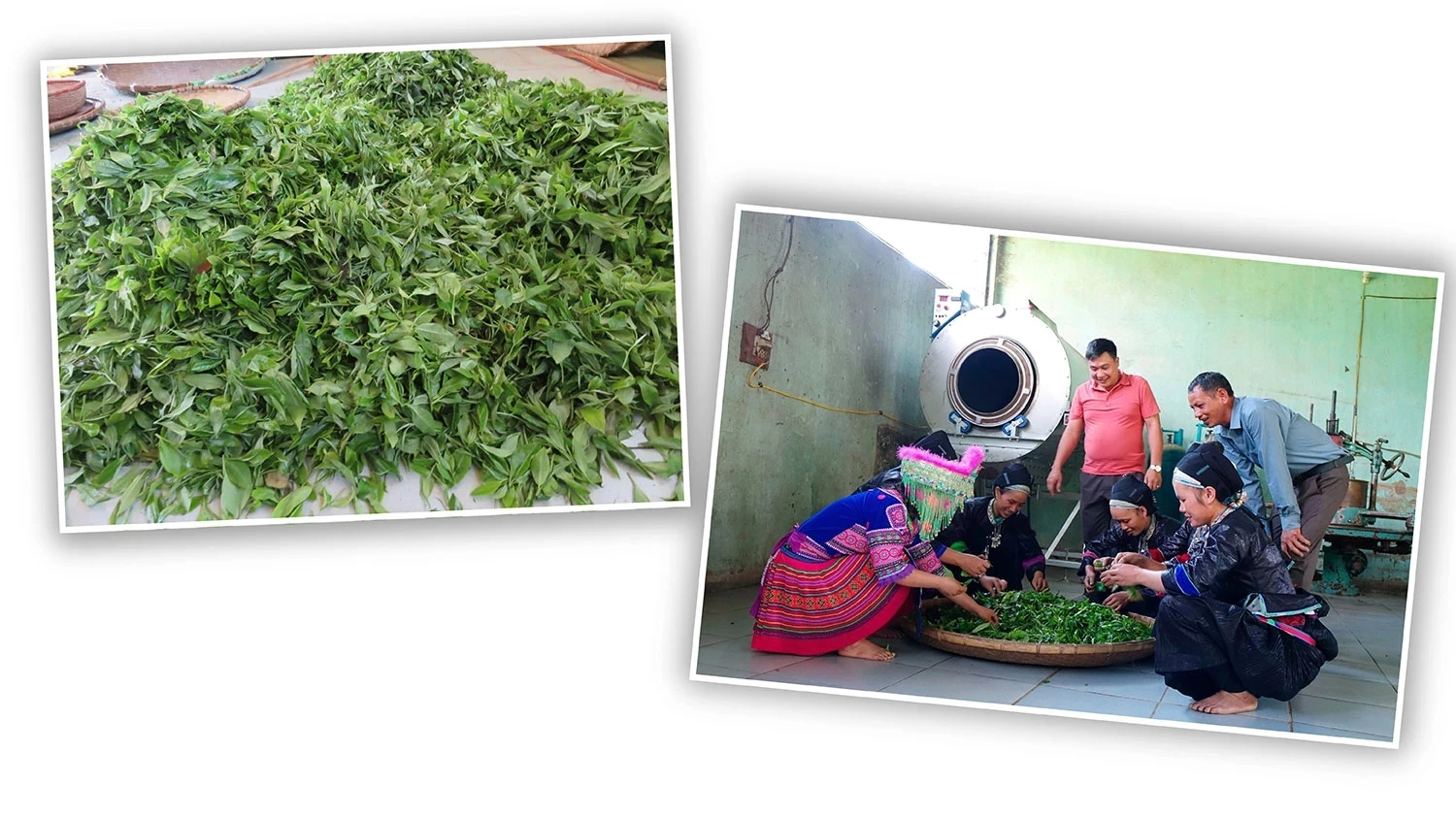 |
| Shan snow tea is pre-processed and sorted before being taken for further processing. |
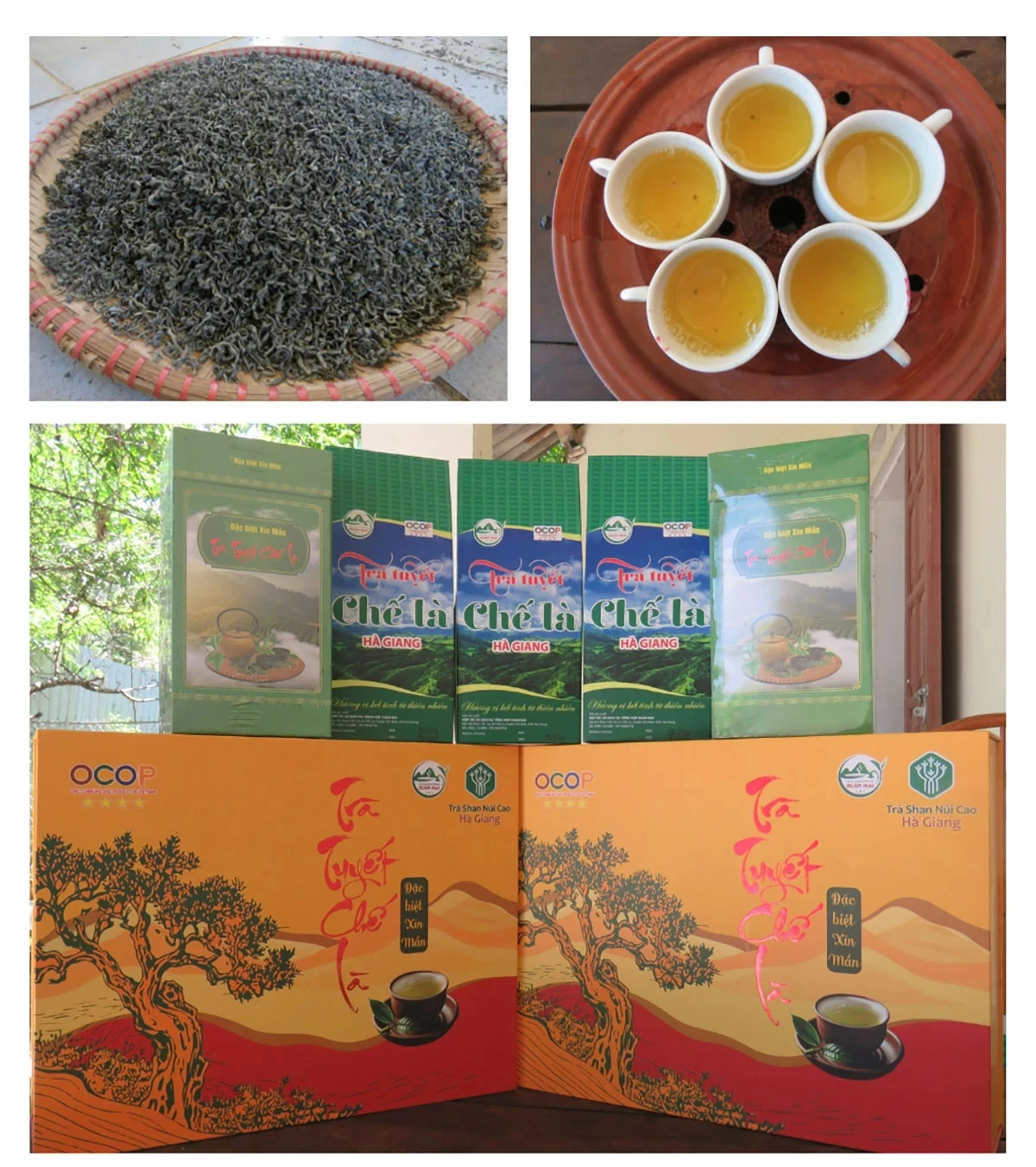 |
| Che La Snow Tea is gradually affirming its brand, becoming a 4-star OCOP product of the locality. |
From green tea hills rising amid clouds and mountains, Che La Snow Tea is steadily building its brand in the market. Beyond being a distinctive local product, Shan snow tea also contributes to job creation, income improvement, sustainable poverty reduction, and socio-economic development in the highlands.
Hong Nhung

