08:44, 19/12/2025
Dong Van, a peaceful highland commune in Tuyen Quang Province, is not only renowned for its majestic rocky mountains but also for preserving a unique traditional handicraft: the hemp weaving craft of the H’mong ethnic people.
Hemp weaving is not merely a means of livelihood, but also a cultural heritage passed down through generations. H’mong traditional costumes, with their vibrant patterns and durable hemp material, are a clear affirmation of ethnic identity. The H’mong believe that hemp threads serve as a bridge connecting humans with deities and ancestors.
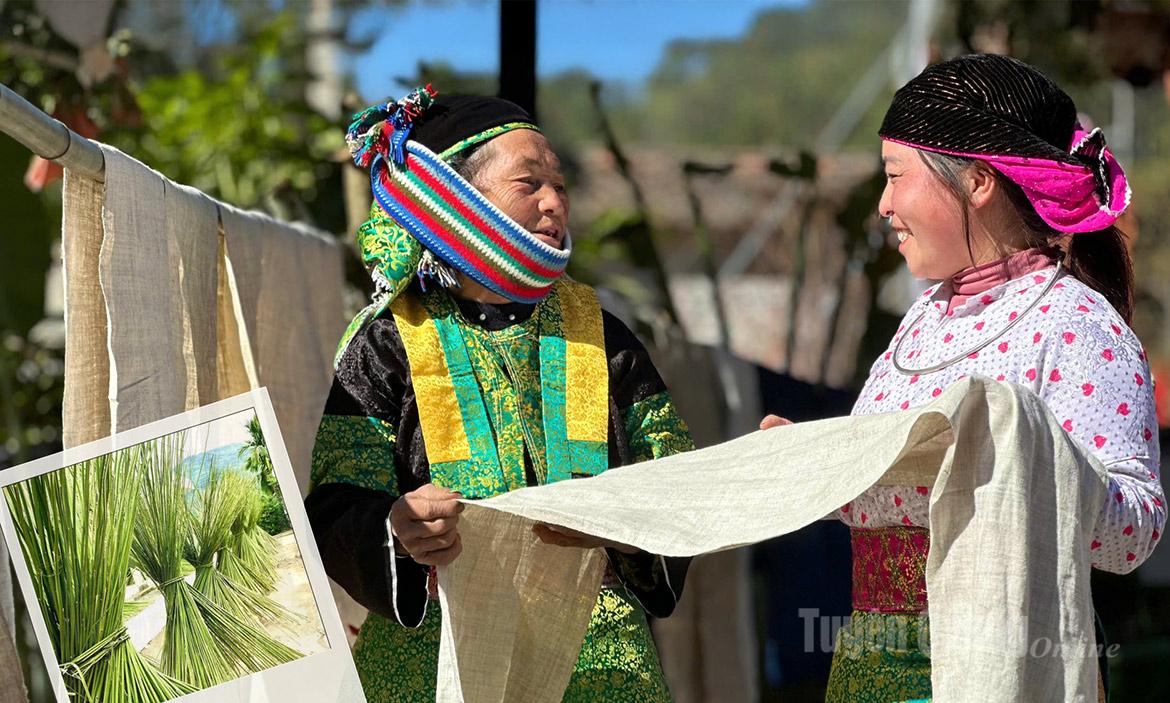 |
| To produce a finished piece of hemp fabric, H’mong women must go through an extremely meticulous and labor-intensive process that requires great patience and skillful hands. The flax plants are harvested and dried. The outer bark is stripped away, then softened using specialized tools. |
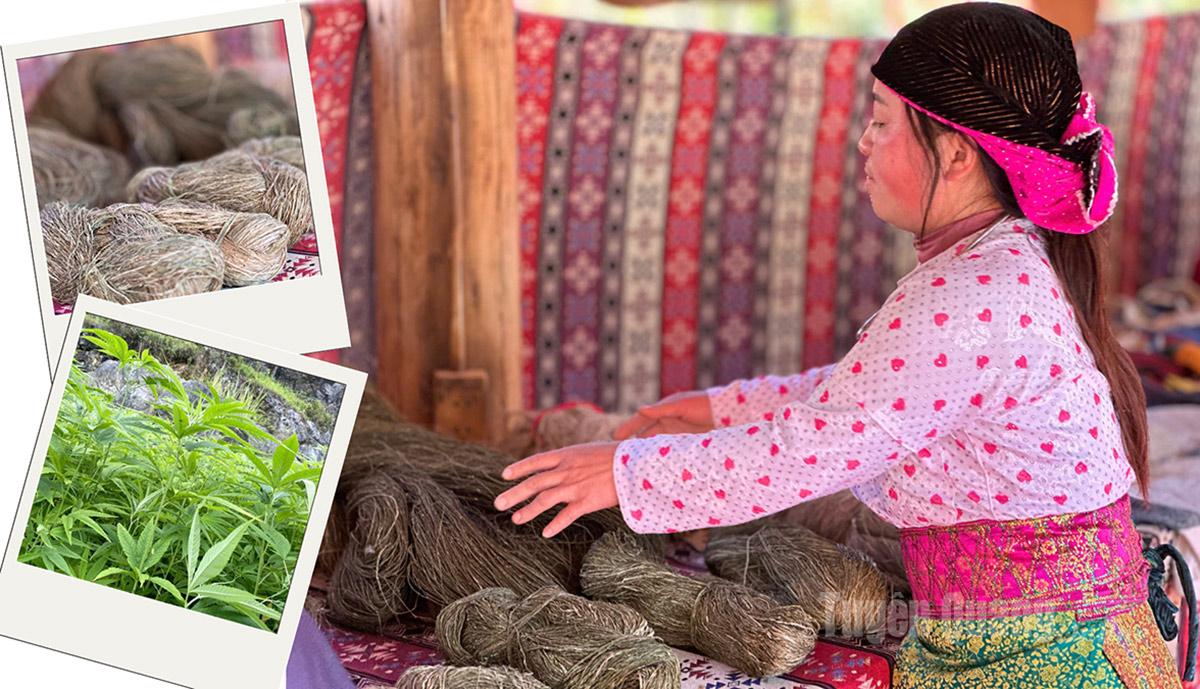 |
| Vang Thi Ly from Sa Tung Chu village (Dong Van commune), said that processing hemp fibers is the most difficult stage, demonstrating the diligence of H’mong women. Short fibers are manually joined by hand into long, continuous threads. This stage can last for weeks. The hemp threads are then wound onto spools, ready for weaving. |
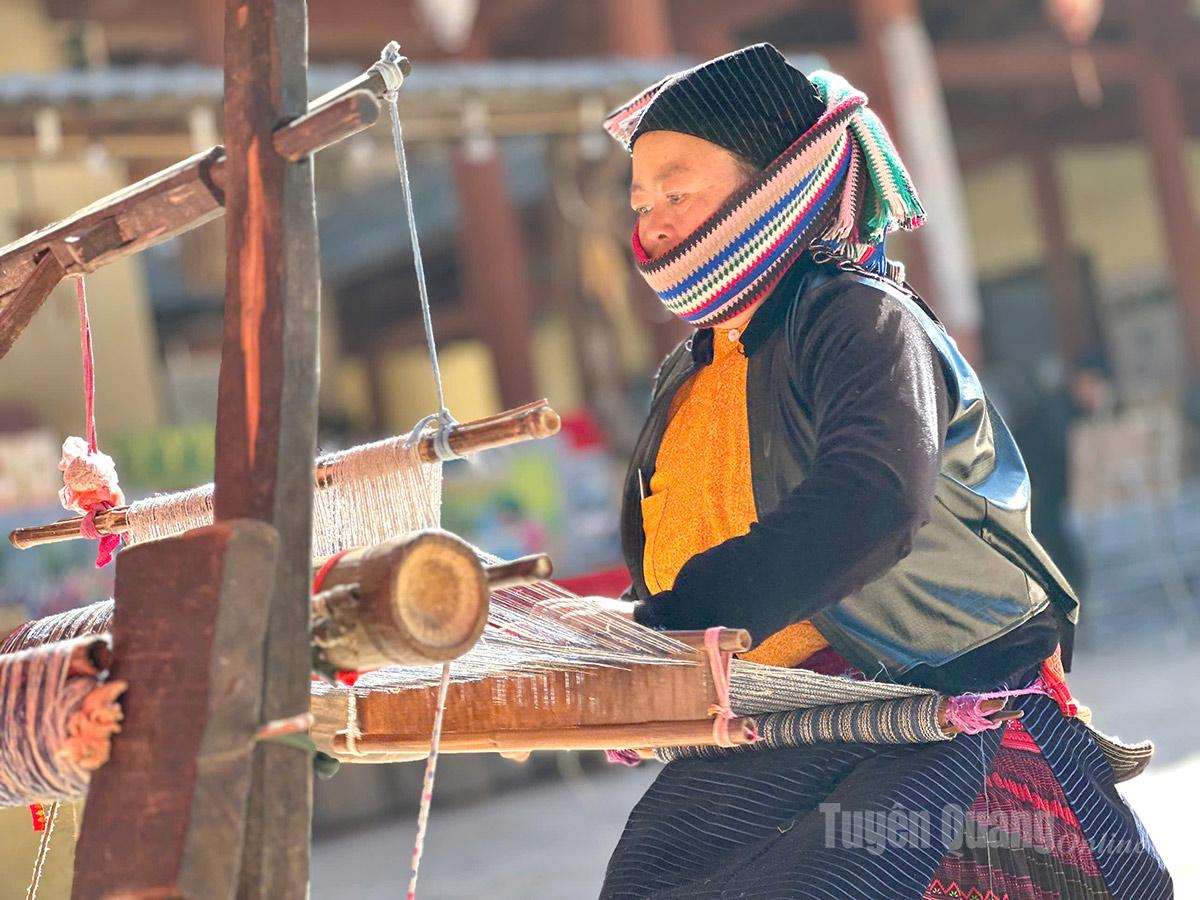 |
| The H’mong hemp loom is very simple, made of wood and firmly fixed in place. The rhythmic clacking sound of the loom has become a characteristic sound of the village. |
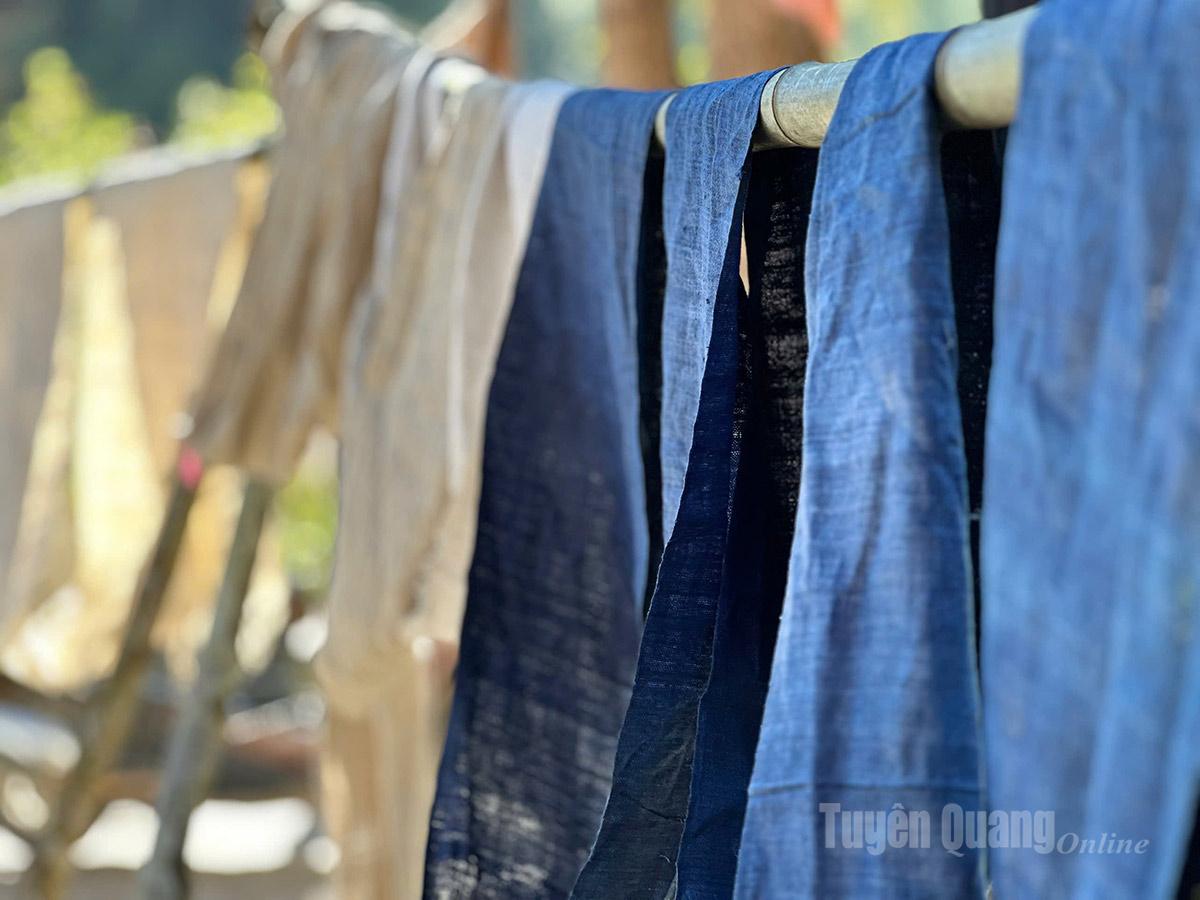 |
| After weaving, the hemp fabric has an off-white color. To create the traditional black and deep blue hues, the H’mong use indigo plants. |
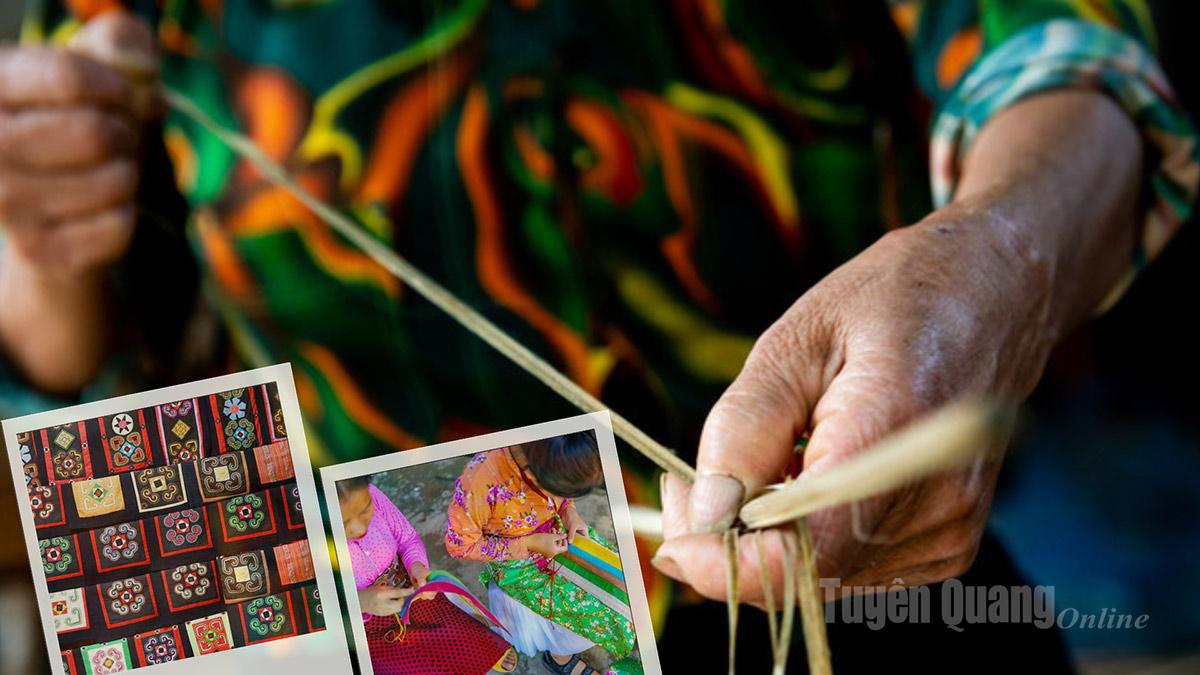 |
| Once the basic fabric is completed, embroidery and decoration become the stage where H’mong women express their emotions, thoughts, and stories of life and nature through clothing. Geometric patterns such as squares, triangles, and spiral shapes all carry profound symbolic meanings related to the universe, heaven and earth, or fertility and growth. |
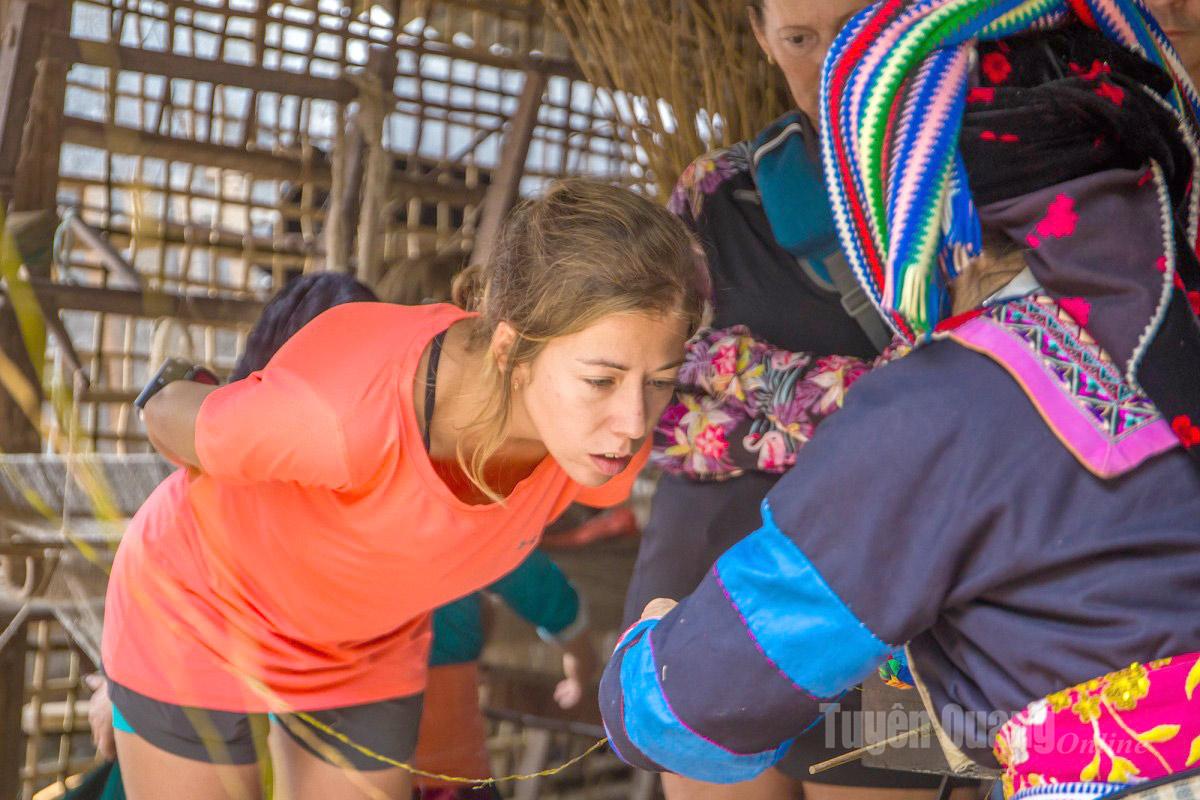 |
| Christine, a tourist from Canada, closely observed each step of the weaving process here. She noted that it is a highly labor-intensive job. She expressed her admiration for the artisans who create unique handicraft products through such a complex, multi-step process. |
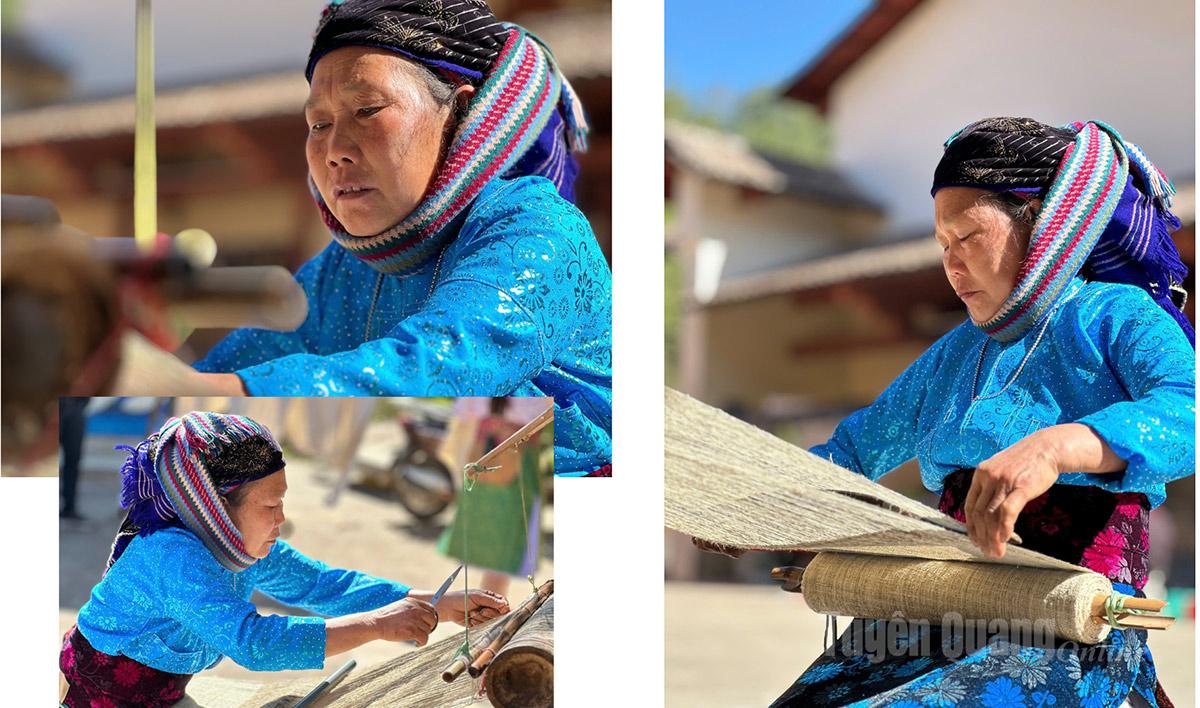 |
| A complete traditional outfit can take anywhere from several months to an entire year to finish, as everything is done by hand, from spinning the hemp threads to each embroidery stitch. |
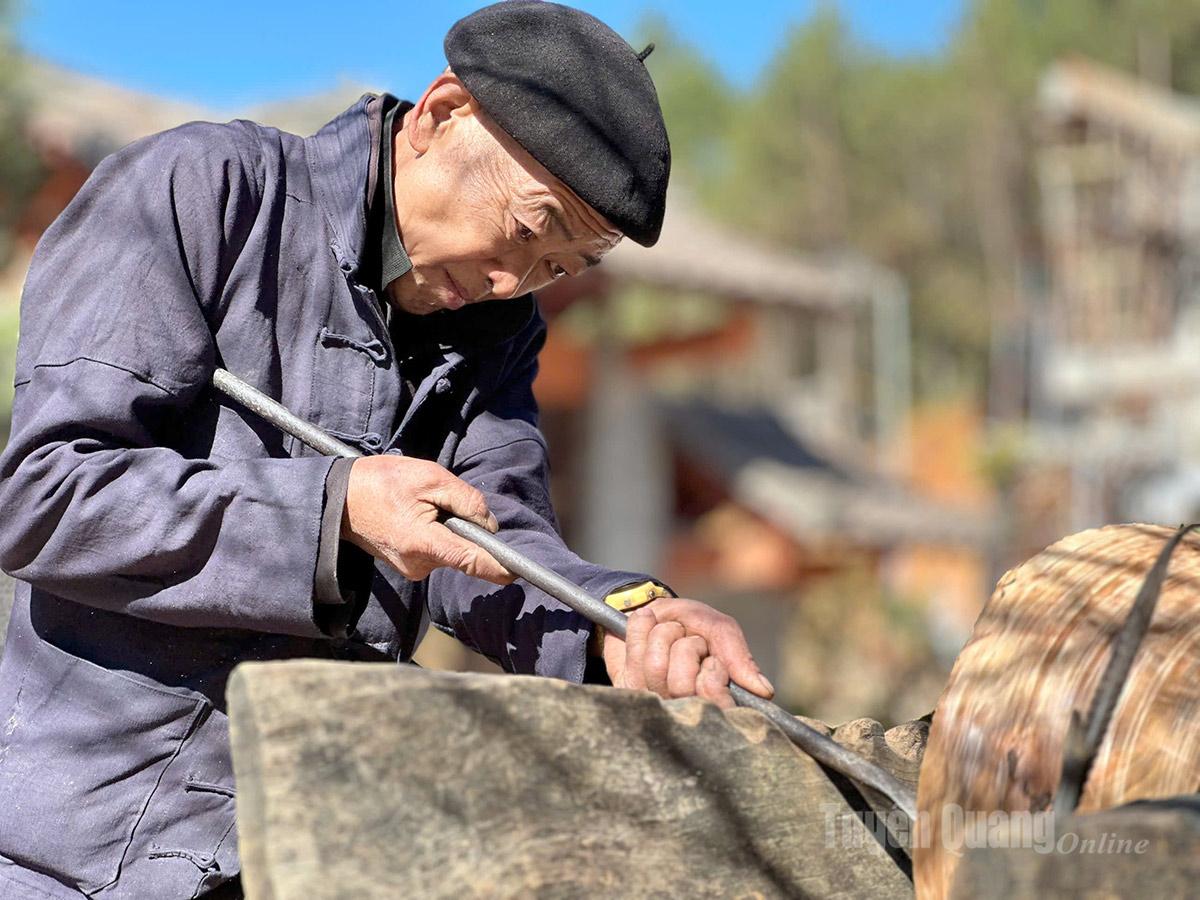 |
| Pham Duc Nam, Chairman of the Dong Van Commune People’s Committee, shared that the H’mong hemp weaving craft in Dong Van is a “living museum” of how the community interacts with nature and preserves its identity. Every fold and every thread contains their history and philosophy of life. |
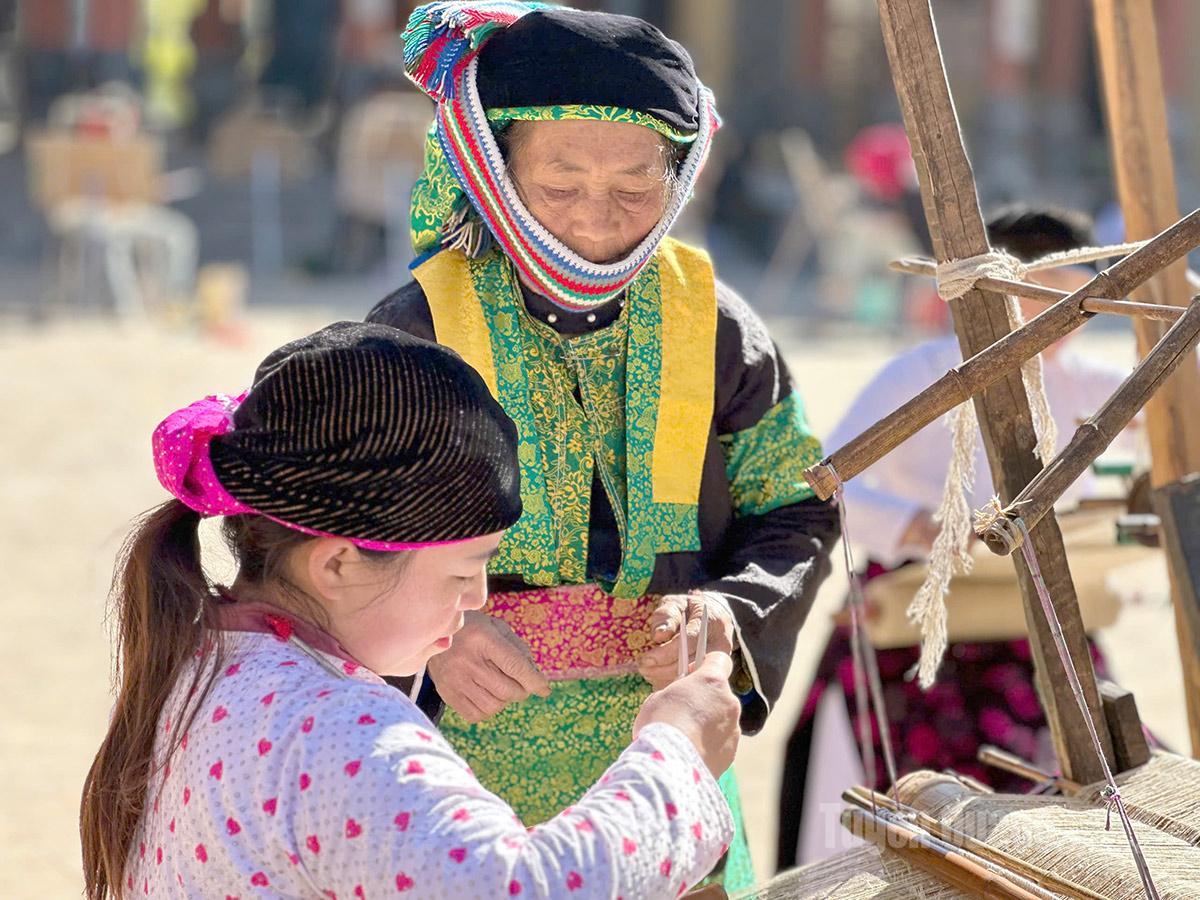 |
| Nowadays, under pressure from the market and industrial goods, the traditional hemp weaving craft is facing many challenges. Younger generations are less interested in work that requires so much time and effort. |
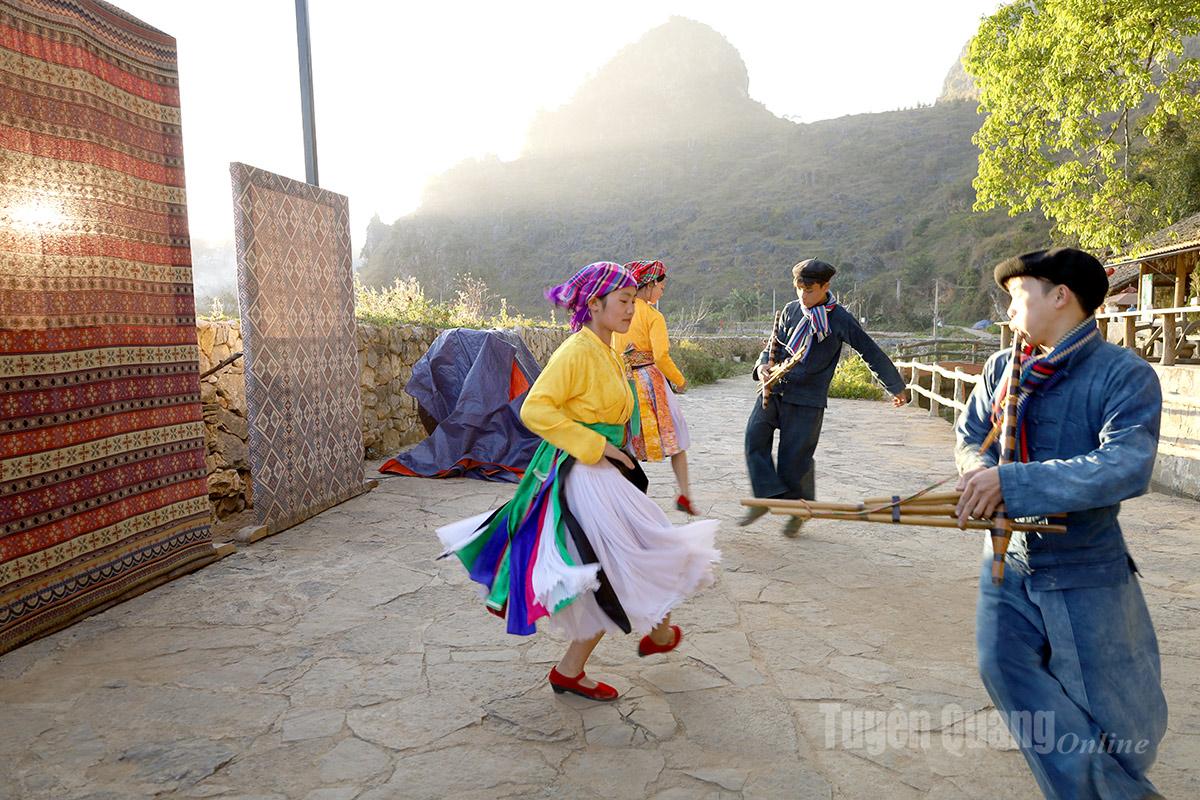 |
| However, there are still resilient H’mong women in Dong Van who are striving to preserve the craft. They establish cooperatives and organize demonstrations, generating income while introducing this unique cultural beauty to both domestic and international visitors. Preserving the hemp weaving craft is, in essence, preserving H’mong culture. |
Thu Hang - Luu Khiem


